
Beyond Ikigai: 7 ancient Japanese techniques to stop overthinking
1/8
Why this works
Overthinking feeds on control, perfectionism, and mental clutter. These Japanese ideas lower mental load, add perspective, and give your brain a simple next step. Use one practice at a time for seven days, then stack the next.

2/8
Shoganai
Meaning: It cannot be helped. Ask, Can I change this now. If no, pivot attention to what you can do in 10 minutes. This trims rumination and saves energy for action. Write one doable step and start.
3/8
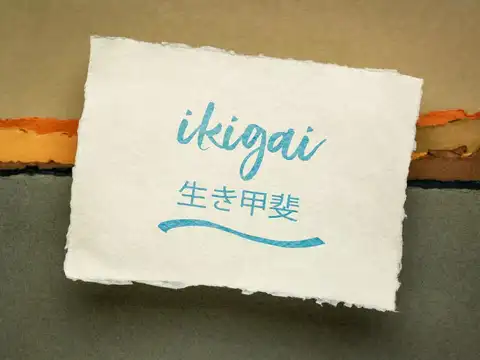
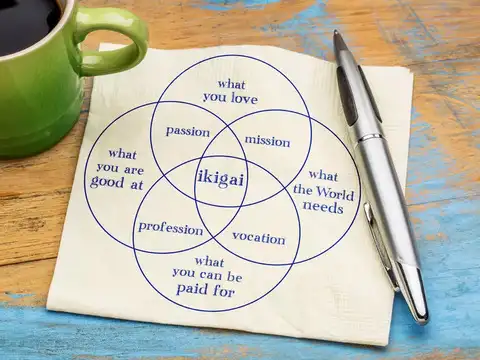
Ikigai
Meaning: Your reason for being. List four columns: what you love, what you are good at, what helps others, what pays. Circle overlaps and pick one small task for today. Purpose shrinks worry by refocusing effort.
Amazon Top Deals
POWERED BY


4/8
Shinrin yoku
Meaning: Forest bathing. Walk quietly outdoors for 15 minutes. Notice five sounds, four sights, three textures, two scents, one breath. Sensory focus pulls attention out of loops into the present. Phones stay in pocket.

5/8
Zazen
Meaning: Seated meditation. Sit upright. Set a 5 minute timer. Inhale four, exhale six. When thoughts appear, label thinking and return to breath. Aim for consistency, not silence. Add one minute weekly.

6/8
Wabi Sabi
Meaning: Beauty in imperfection and impermanence. Name one flaw you are fighting today. Reframe it as patina, not a defect. Ship the task at 90 percent done. This softens perfectionism and reduces churn.
7/8
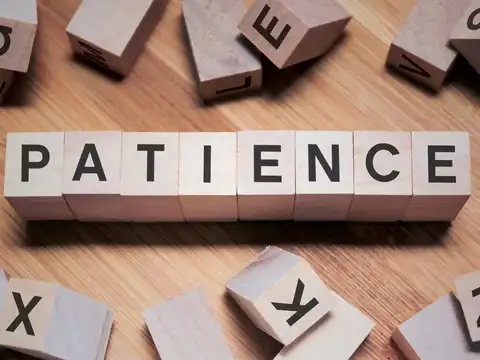
Gaman
Meaning: Endure with patience and dignity. Break the hard thing into 10 minute blocks. Do one block, rest two minutes, then repeat. Strength grows from steady effort, not heroic bursts.

8/8
Ikebana
Meaning: The art of flower arranging. Choose any gentle ritual like making tea or journaling. Slow each step, place items with intention, and finish without multitasking. Single tasking tames mental static.
(Disclaimer: This story is strictly for educational purposes only and does not substitute any professional medical advice and should not be considered as professional medical advice.)
(Disclaimer: This story is strictly for educational purposes only and does not substitute any professional medical advice and should not be considered as professional medical advice.)