
Beyond alcohol: 6 common habits that silently damage your liver
1/6
Overeating Sugary Foods
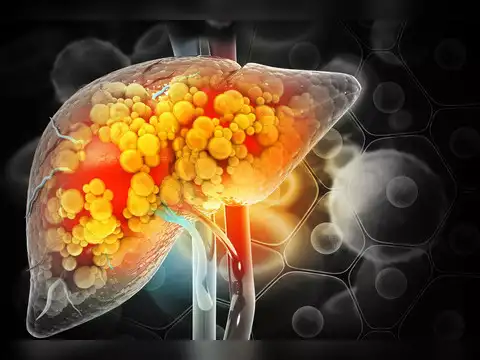
Consuming high amounts of sugar, especially fructose in processed foods and soft drinks, increases fat accumulation in liver cells. Over time, this can cause non-alcoholic fatty liver disease (NAFLD), inflammation, and liver scarring. Regular sugar spikes also lead to insulin resistance, which further burdens the liver’s metabolic functions.

2/6
Excessive Use of Painkillers
Frequent use of acetaminophen (paracetamol) and other painkillers may seem safe, but in high or repeated doses, they can cause acute liver toxicity. This happens because the liver works to break down these drugs, generating harmful byproducts that may damage cells and impair liver function if detox capacity is overwhelmed.

3/6
Sedentary Lifestyle
A lack of regular physical activity can lead to obesity and insulin resistance, two major contributors to fatty liver disease. Without exercise, fat builds up in liver tissues, reducing efficiency and increasing the risk of liver inflammation, fibrosis, and long-term damage. Even moderate daily movement significantly helps liver function.
Amazon Top Deals
POWERED BY

Crompton Ozone 75 Litres Desert Air Cooler for home | Large & Easy Clean Ice Chamber | 4-Way Air Deflection | High Density Honeycomb Pads | Everlast Pump | Auto Fill| 3 Year Brand Warranty
₹9,798Buy Now43%
OFF
LG 32 L Convection Microwave Oven (MC3286BRUM, Black, 360° Motorised Rotisserie for Bar-be-queing, 301 Auto Cook Menu, Stainless steel cavity, Indian Cuisine, Tandoor Se, Steam Clean & Diet Fry)
₹19,340Buy Now19%
OFF

4/6
Unregulated Herbal Supplements
Natural doesn’t always mean safe. Many herbal remedies and Ayurvedic medicines contain compounds that can be toxic to the liver, especially when used without medical supervision. Some are contaminated with heavy metals or adulterated with steroids, which can silently lead to liver inflammation, hepatitis, or even liver failure.

5/6
Skipping Meals or Crash Dieting
Extreme fasting or sudden crash diets strain the liver by triggering metabolic imbalances. When calorie intake drops too quickly, the liver releases fat into the bloodstream, increasing the fat load in liver cells. This can worsen fatty liver, impair bile production, and disrupt the organ’s natural detoxification cycles.

6/6
Smoking
Cigarette smoke contains harmful toxins that promote oxidative stress and reduce blood flow to the liver. Over time, this damages liver cells and worsens conditions like fatty liver disease. Smoking also increases the liver’s workload by adding to the toxins it must filter, amplifying long-term liver deterioration risks.