
Besan and atta: Why mixing gram flour into chapatis changes the game
1/7
Why chapatis need besan now
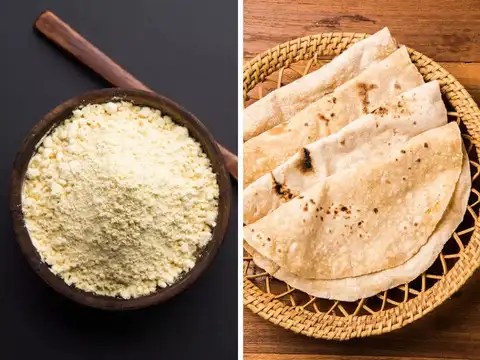
Regular wheat roti feeds you; mixed with gram flour, it becomes a nutritional powerhouse. Besan lifts protein, adds soluble fiber, steadies blood sugar, and packs folate and iron—transforms your staple into something your body genuinely craves. Nothing extreme, just smarter eating at home.
2/7
Protein and sustained energy locked in
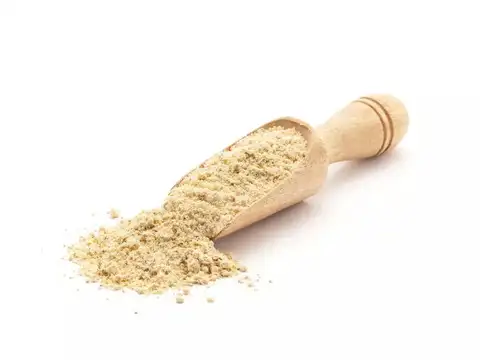
Besan carries 22 grams of protein per 100 grams versus wheat's meager 13. That gap matters—protein slows carb breakdown, preventing energy crashes. Two chapatis jump from 10 grams to nearly 18 grams protein when you blend in besan. Your afternoon fatigue shrinks noticeably.
3/7
Fiber and digestive rhythm
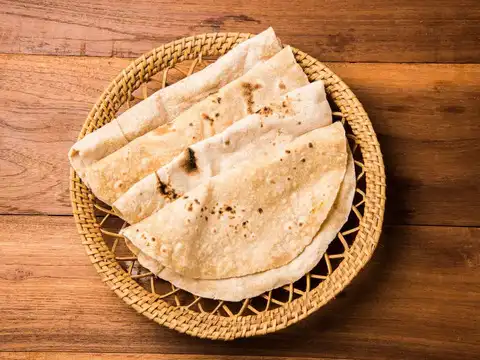
Soluble fiber from gram flour feeds gut bacteria and steadies bowel movement without shocking your system like sudden changes do. The dough becomes softer too, easier on digestion. Many notice better regularity within weeks, digestion feels less erratic and more predictable.
Amazon Top Deals
POWERED BY


4/7
Blood sugar stays level, no spikes
Besan's resistant starch and complex carbs slow glucose release during digestion. For anyone tracking blood sugar or managing prediabetes, mixed besan-atta chapatis create flatter curves than pure wheat. Glycemic index drops measurably—fewer afternoon crashes, no energy whiplash.
5/7
Folate, iron, magnesium together
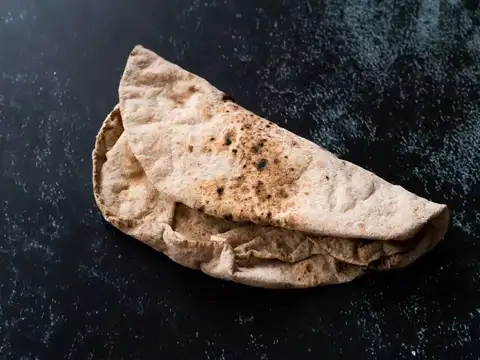
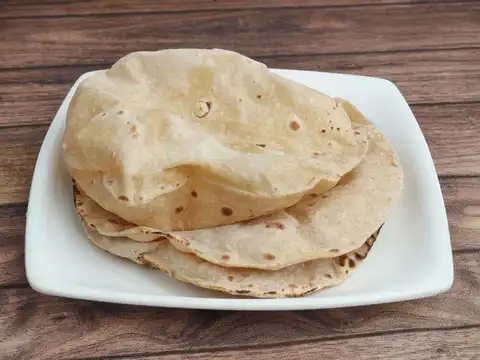
Gram flour doubles the folate in wheat alone—critical for pregnant women preventing neural defects. Iron content lifts, magnesium supports muscle function and energy metabolism. One bowl of mixed-flour chapatis covers gaps repetitive eating creates, filling nutritional holes people don't know they have.
6/7
Antioxidants and less cancer-causing compounds
Besan slashes acrylamide formation during heating—a compound linked to cellular damage in processed foods. Polyphenols in chickpeas act as cellular guardians against free-radical stress. You're not eliminating risk, but genuinely reducing harm from everyday cooking itself.
7/7
How to actually start mixing
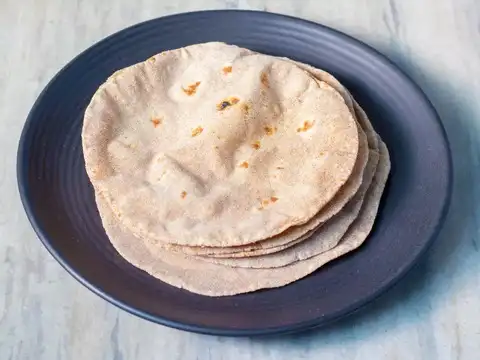
Swap 40–60 percent of your atta with besan; add water slowly because gram flour absorbs differently. Start conservative—quarter cup besan per cup atta—taste matters. Once your family adjusts, most people never go back. Texture improves, flavor deepens subtly; it's delicious, not a chore.
(Disclaimer: This story is strictly for educational purposes only and does not substitute any professional medical advice and should not be considered as professional medical advice.)
(Disclaimer: This story is strictly for educational purposes only and does not substitute any professional medical advice and should not be considered as professional medical advice.)