
Before you buy another protein bar: 7 things to know

1/7
Don't Get Impressed By "High Protein" Claims Alone
The front of the packet may scream "High Protein", but the real question is how much protein you're actually getting. A good protein bar should generally provide between 5g and 20g of protein per serving.
Many bars use bold marketing while offering only a modest amount of protein compared to their calorie content.
Many bars use bold marketing while offering only a modest amount of protein compared to their calorie content.
2/7
Check How Long The Ingredients List Is
One of the quickest ways to judge a protein bar is by looking at the ingredients list.
Bars made with ingredients such as nuts, seeds, oats and natural protein sources are usually better choices. If the ingredient list looks unusually long and filled with unfamiliar additives, artificial flavours and preservatives, it may be worth putting the bar back on the shelf.
Bars made with ingredients such as nuts, seeds, oats and natural protein sources are usually better choices. If the ingredient list looks unusually long and filled with unfamiliar additives, artificial flavours and preservatives, it may be worth putting the bar back on the shelf.

3/7
Keep Sugar Below 5g Whenever Possible
Some protein bars are surprisingly high in sugar and can end up feeling more like a chocolate bar than a health snack.
Experts recommend choosing bars with less than 5g of sugar per serving. Lower sugar content helps you avoid unnecessary calories while still getting the protein you need.
Experts recommend choosing bars with less than 5g of sugar per serving. Lower sugar content helps you avoid unnecessary calories while still getting the protein you need.
Amazon Top Deals
POWERED BY


4/7
Look For At Least 3g To 5g Of Fibre
Protein isn't the only nutrient that matters.
A good bar should ideally provide 3g to 5g of fibre or more. Fibre helps keep you fuller for longer and can make the snack more satisfying between meals.
A good bar should ideally provide 3g to 5g of fibre or more. Fibre helps keep you fuller for longer and can make the snack more satisfying between meals.

5/7
Pay Attention To The Protein Source
Not all protein sources offer the same nutritional value.
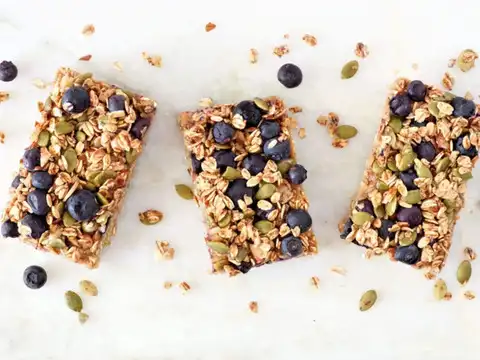
Look for bars made with whey protein, casein or quality plant-based protein sources. Some manufacturers use cheaper protein blends that may not provide the same overall nutritional benefits.
Look for bars made with whey protein, casein or quality plant-based protein sources. Some manufacturers use cheaper protein blends that may not provide the same overall nutritional benefits.
6/7
Check The Calorie Count Before You Buy
Many people grab a protein bar assuming it's a light snack, but some bars can contain over 400 calories.
If you're trying to manage your weight or simply want a quick snack, always check whether the calorie count fits your daily goals.
If you're trying to manage your weight or simply want a quick snack, always check whether the calorie count fits your daily goals.

7/7
Balance Of Fats And Carbohydrates Matters Too
A protein bar isn't healthy just because it contains protein.
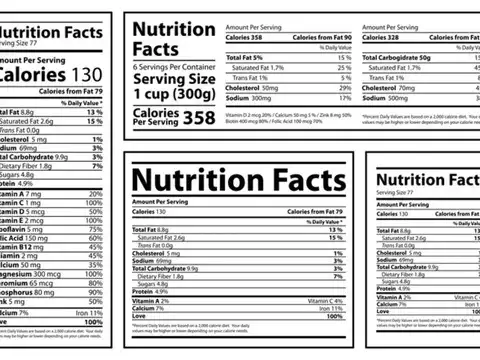
Check the overall nutrition label and look at the fats and carbohydrate content. Excess saturated fat and heavily refined carbohydrates can reduce the health benefits of an otherwise decent bar.
(Disclaimer: This story is for educational purposes alone and should not be considered as professional medical advice and does not substitute any medical advice.)
Check the overall nutrition label and look at the fats and carbohydrate content. Excess saturated fat and heavily refined carbohydrates can reduce the health benefits of an otherwise decent bar.
(Disclaimer: This story is for educational purposes alone and should not be considered as professional medical advice and does not substitute any medical advice.)