
Before you buy an AC: 7 ways to keep your room cooler with just a table fan
1/7
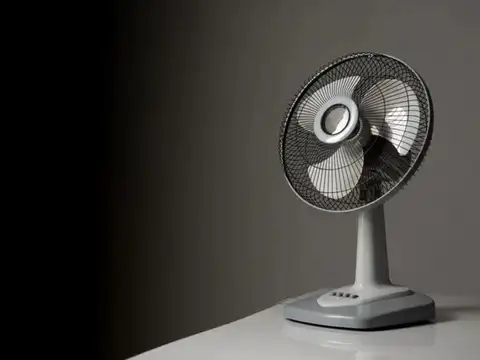
Face The Fan Toward The Window, Not Toward You
If the room is already hot, blowing air at yourself just recirculates warm air. Point the fan toward an open window instead. This pushes hot air out and pulls cooler air in from other openings. It is a small change in direction that makes the whole room feel different within minutes.

2/7
Create A Cross Breeze Between Two Windows
Open windows on opposite sides of the room and place the fan on the hotter side pushing air out. According to research published in Scientific Reports, cross ventilation with openings on opposite sides significantly improves indoor airflow and thermal comfort compared to single-sided ventilation. Cool air gets pulled in naturally from the other side.

3/7
Hang A Damp Cloth In Front Of The Fan
As the fan blows air through a wet cloth, water evaporates and absorbs heat from the surrounding air, lowering its temperature. This is basic evaporative cooling. Use thin cotton, keep it damp not dripping, and place it a few inches in front of the fan. Works best in dry heat, not during monsoon.
Amazon Top Deals
POWERED BY

Crompton Ozone 75 Litres Desert Air Cooler for home | Large & Easy Clean Ice Chamber | 4-Way Air Deflection | High Density Honeycomb Pads | Everlast Pump | Auto Fill| 3 Year Brand Warranty
₹9,798Buy Now43%
OFF

LG 32 L Convection Microwave Oven (MC3286BRUM, Black, 360° Motorised Rotisserie for Bar-be-queing, 301 Auto Cook Menu, Stainless steel cavity, Indian Cuisine, Tandoor Se, Steam Clean & Diet Fry)
₹19,340Buy Now19%
OFF
4/7
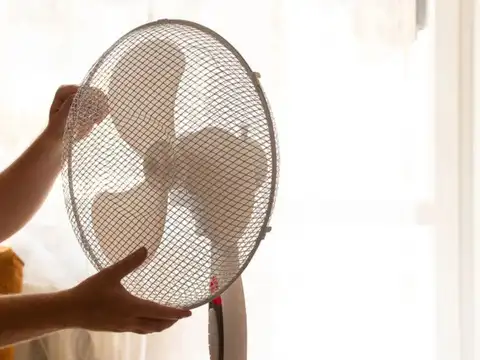
Keep The Fan Low, Not High Up
Cool air stays near the floor. Hot air rises to the ceiling. A fan placed too high mostly moves warm air around. According to a peer reviewed study in HVAC and R Research, the position of a fan relative to the body significantly affects actual cooling experienced. Keep it at floor or seated level.

5/7
Place Ice Or A Frozen Bottle In Front Of The Fan
This turns your table fan into a basic air cooler. Place a bowl of ice or a frozen water bottle just in front of the fan. The air passing over it drops in temperature before it reaches you. Replace ice every two hours. Most effective during the dry afternoon heat, not in humid conditions.

6/7
Block Sunlight Before Turning The Fan On
A fan in a sun-soaked room is fighting a losing battle. Close curtains or blinds on the sun-facing side between 11 am and 4 pm before switching the fan on. Research in Scientific Reports found that managing heat gain through openings is key to maintaining comfortable indoor temperatures in warm climates.
7/7
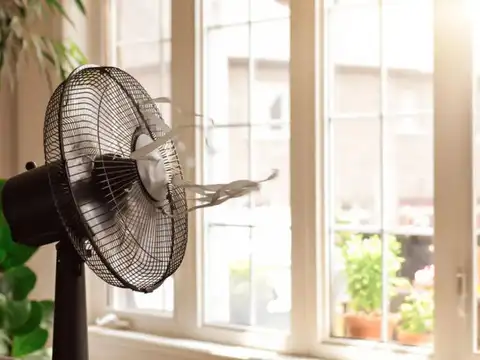
Run The Fan At Night To Flush Out Stored Heat
Rooms absorb heat all day and stay warm even after sunset. At night, once outside air cools down, point the fan toward an open window to actively pull that cooler air in. The California Air Resources Board's research on fan cooling confirms this flush effect meaningfully lowers indoor temperatures overnight.