
Beetroot for kidney health: 5 amazing benefits explained
1/6
Why beets can help
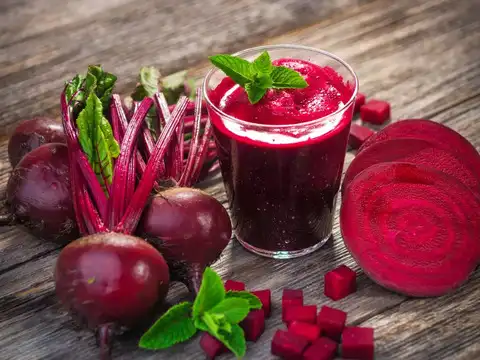
Beetroot is rich in natural nitrate, which the body turns into nitric oxide; nitric oxide relaxes blood vessels, helping blood flow more easily and easing pressure on the heart and kidneys. Think of it like widening a busy road so traffic moves smoother—less “pressure” on the system.
2/6
Benefit 1: supports healthy blood pressure
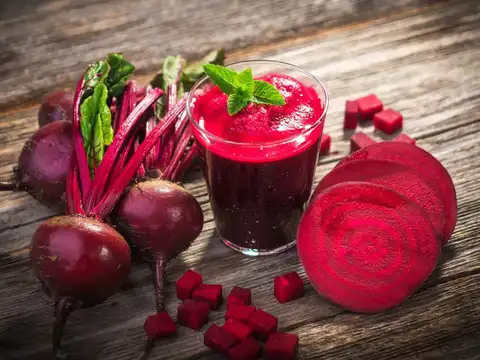
Multiple controlled trials show nitrate‑rich beetroot juice can lower systolic blood pressure by a meaningful amount over weeks, which reduces strain on the kidney’s tiny filters. Lower pressure = gentler workload for kidneys.
3/6
Benefit 2: boosts vessel function and flow
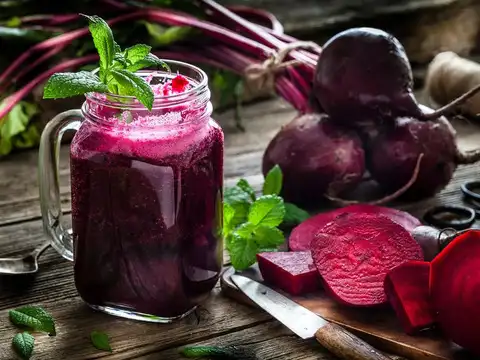
Beet nitrates raise nitric oxide, which helps vessels dilate (open up) and the lining of blood vessels work better; better flow means organs—including kidneys—receive steady oxygen and nutrients. This effect underpins the BP improvements seen in trials.
Amazon Top Deals
POWERED BY

4/6
Benefit 3: may improve kidney hemodynamics in risk groups
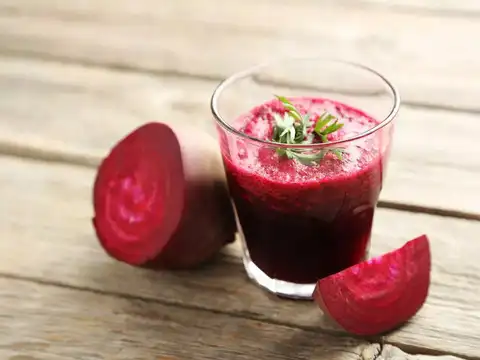
Early clinical work in chronic kidney disease suggests beetroot juice can lower renal resistive index (an ultrasound marker linked to renal vessel stiffness) while reducing blood pressure—signals of more favorable kidney blood flow. More research is needed, but the direction is encouraging.
5/6
Benefit 4: antioxidant support against daily wear
Beets contain pigments and polyphenols that act like rust‑guards for cells; this antioxidant support helps counter everyday oxidative “wear and tear” that can affect vessels and tissues supporting kidney health over time. These effects complement nitric‑oxide benefits.
6/6
Benefit 5: potential help in special settings
Research is exploring beet juice in conditions with early high blood pressure and vessel dysfunction (such as polycystic kidney disease), aiming to leverage nitric oxide to ease pressure and protect vessels alongside standard care. Trials are underway to confirm size and duration of benefit.
(Disclaimer: This story is not for professional medical advice and does not substitute medical advice.)
(Disclaimer: This story is not for professional medical advice and does not substitute medical advice.)