Ayodhya to Assam and Arabian Sea, 98-year-old master sculptor who gives shape to iconic statues
A 30ft tall bronze statue of Jatayu, designed and cast in Noida, is now placed at the Ram Janmbhoomi complex in Ayodhya. The sculptor, Ram Vanji Sutar, is also working on a 251-metre tall statue of Ram, which will become the tallest in the world. ...
By Meenakshi Sinha, TNN | Updated:

Designed and cast at a workshop in Noida, a 30ft tall bronze statue of Jatayu now has pride of place on an elevation – Kuber Tila – at the Ram Janmbhoomi complex in Ayodhya.
It’s the latest from Ram Vanji Sutar, the nonagenarian sculptor who is just two short of 100 and doesn’t like to take a break. Nor does he have time for one.
He has another job to do in Ayodhya – a 251-metre tall statue of Ram that will come up on the banks of the Saryu. Once installed, the statue will become the tallest in the world. At 182 metres, the Statue of Unity in Gujarat holds that record now. That, too, was designed by Sutar and his son Anil.
For the Jatayu statue, commissioned by the temple trust, Ram Sutar and Anil had offered two options — one depicting the mythical bird in attack mode and the other a flying posture.
“The temple trust liked the flying mode,” says Anil (65), who manages the sprawling workshop in Sector 63. “For the Ram statue too, we had put forward three designs, among them Ram in exile and as the king of Ayodhya. The authorities chose the latter.”
The Sutar workshop is no less than a museum with life-size statues of kings, prime ministers, presidents and mythical characters sharing space inside thick walls that completely cut off the cacophony of the road right next.
So, what goes into the making of a statue? “A lot of thought,” says Anil. “For instance, if it’s a warrior, we must design the dress and armour in keeping with the associated history. The same thought, for example, cannot go into the making of a Chhatrapati Shivaji statue and that of Mahatma Gandhi. The one installed in Parliament has a meditative mood,” he adds.
It's equally important, interjects his father, to observe. “Each person has a different expression, style and way of talking. It’s the study of personality that goes into creating a statue, be it of a historical figure or a politician,” says Sutar, between handing out instructions to assistants on the floor.
The works of the nonagenarian are diverse -- the Gandhi statue in Parliament to the Triumph of Labour statue in Chennai, the Maharaja Ranjit Singh statue in Amritsar and the grand Sardar Patel statue, they span more than 60 years of collaborations with central and state governments. Current assignments include one from Assam CM Himanta Biswa Sarma – a statue of 17th century Ahom general Lachit Barphukan. The 84ft bronze statue also has a 41ft platform, making it 125ft tall.
The journey began, he says, with Nehru. “Jawahar Lal Nehru had assigned me the task of making a sculpture that depicts the toil that went into building the Bhakra Nangal Dam. He was happy with my earlier works,” says Ram Sutar. What the Maharashtra-born produced was a 50 ft bronze installation to mark the craftsmanship of dam workers.
Simplicity in success
It’s discipline, he smiles. To Sutar, it came naturally. “I would get up early and ring the school bell in the village,” says the 98-year-old, who was conferred the Padma Shri in 1999 and the Padma Vibhushan in 2016.
Born to a family of carpenters, Sutar became his father’s apprentice at the age of six. “We lived in Gondur, a small village in Dhule district of Maharashtra. My father, Vanji Hansraj Sutar, was a skilled carpenter. I learnt a lot by just hanging around him,” he says.
His life and thoughts took a turn when Mahatma Gandhi visited his village and called for a boycott of foreign clothes. “I was just five, and watched other people throw their clothes into the fire. Someone pointed to my cap, saying it was made in a foreign country too. So, I threw my cap into the fire too,” says Sutar.
With more than 8,000 sculptures to his name in a career spanning seven decades, does he have a favourite one? Yes, a bust of Gandhi he made in 1947. “My guruji asked me to make a statue of Mahatma Gandhi in 1947. This was my first official work, and was installed in Dhule,” Sutar says.
Sutar’s guruji Shriram Krishna Joshi played a crucial role in shaping his career. “He asked me to join JJ School of Art in Mumbai and made arrangements for my stay at a relative’s place in Matunga. I was directly admitted in the second year in 1948. So, I completed the five-year course in four years,” he says.
The next few years he spent doing restoration work at Ajanta and Ellora. In 1958, Sutar became a technical assistant with the directorate of advertising and visual publicity (DAVP) under the Union ministry of information and broadcasting in Delhi. He left the job in 1959 to become an independent sculptor and hasn’t looked back since.
Rejection hurts
Sutar remembers the day he was assigned the responsibility of designing the Statue of Unity. His son says, “Actually, PM Modi liked the Sardar Patel statue that my father had designed for Ahmedabad airport. The Unity project was the result of that. It took us five years from 2013 to design the statue.”
The father-son duo has a long list of work ahead — a 100ft Sambhaji Maharaj statue commissioned by the Maharashtra government, a 400ft Chhatrapati Shivaji statue to be installed in the Arabian Sea near Mumbai, a 153ft Shiva installation in the Nandi hills in Karnataka among them. A replica of each finds a place in the studio.
There are some designs that have seen rejection. Part of the job, but for a man who put his soul into sculpting, those also represent regrets. One such is a model he made for the Indian Gate canopy. “I had designed a statue of Mahatma Gandhi with two children. But it was rejected. A statue of Subhash Chandra Bose was installed there,” he said.
The Sutars today have three workshops — two in Sahibabad and one in Noida spread over 12,000sqft. A 250-strong workforce helps with the moulding, chiseling and painting, all working to Sutar’s designs.
It’s the latest from Ram Vanji Sutar, the nonagenarian sculptor who is just two short of 100 and doesn’t like to take a break. Nor does he have time for one.
He has another job to do in Ayodhya – a 251-metre tall statue of Ram that will come up on the banks of the Saryu. Once installed, the statue will become the tallest in the world. At 182 metres, the Statue of Unity in Gujarat holds that record now. That, too, was designed by Sutar and his son Anil.
For the Jatayu statue, commissioned by the temple trust, Ram Sutar and Anil had offered two options — one depicting the mythical bird in attack mode and the other a flying posture.
“The temple trust liked the flying mode,” says Anil (65), who manages the sprawling workshop in Sector 63. “For the Ram statue too, we had put forward three designs, among them Ram in exile and as the king of Ayodhya. The authorities chose the latter.”
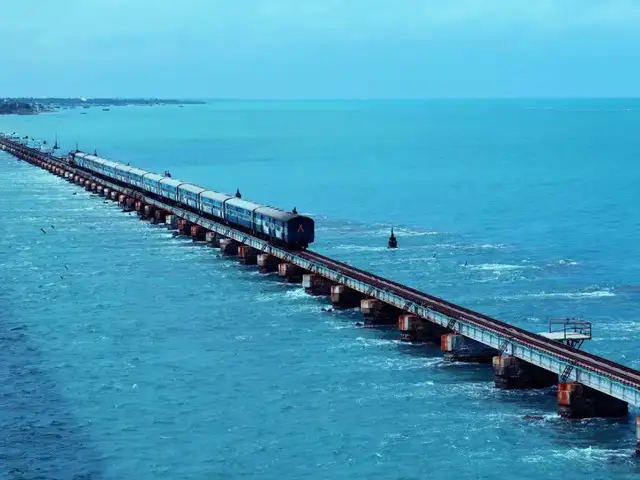
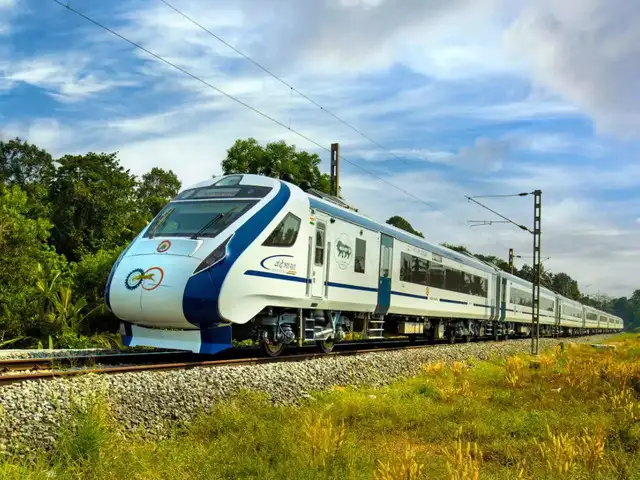
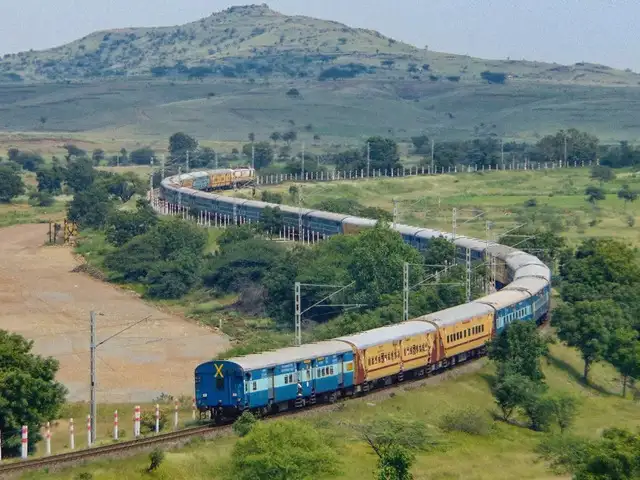
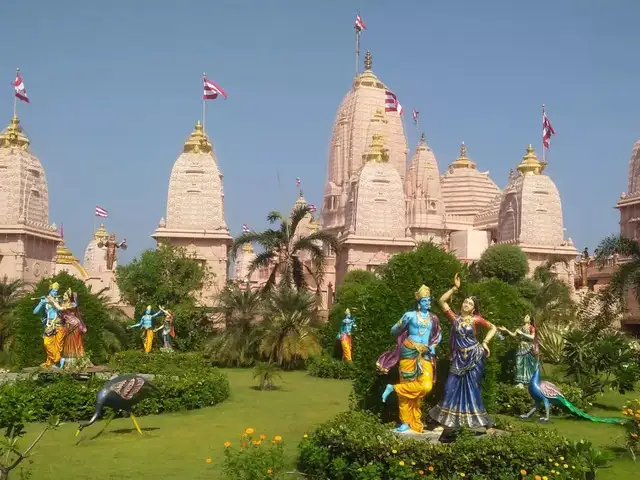
According to recent research, which ANI cited, there is a fascinating relationship between place names, railway stations, and the epic Ramayana. This finding highlights the epic's lasting impact on the nation's varied landscapes.

ADVERTISEMENT
Building landmarksThe Sutar workshop is no less than a museum with life-size statues of kings, prime ministers, presidents and mythical characters sharing space inside thick walls that completely cut off the cacophony of the road right next.
So, what goes into the making of a statue? “A lot of thought,” says Anil. “For instance, if it’s a warrior, we must design the dress and armour in keeping with the associated history. The same thought, for example, cannot go into the making of a Chhatrapati Shivaji statue and that of Mahatma Gandhi. The one installed in Parliament has a meditative mood,” he adds.
It's equally important, interjects his father, to observe. “Each person has a different expression, style and way of talking. It’s the study of personality that goes into creating a statue, be it of a historical figure or a politician,” says Sutar, between handing out instructions to assistants on the floor.
The works of the nonagenarian are diverse -- the Gandhi statue in Parliament to the Triumph of Labour statue in Chennai, the Maharaja Ranjit Singh statue in Amritsar and the grand Sardar Patel statue, they span more than 60 years of collaborations with central and state governments. Current assignments include one from Assam CM Himanta Biswa Sarma – a statue of 17th century Ahom general Lachit Barphukan. The 84ft bronze statue also has a 41ft platform, making it 125ft tall.
ADVERTISEMENT
The journey began, he says, with Nehru. “Jawahar Lal Nehru had assigned me the task of making a sculpture that depicts the toil that went into building the Bhakra Nangal Dam. He was happy with my earlier works,” says Ram Sutar. What the Maharashtra-born produced was a 50 ft bronze installation to mark the craftsmanship of dam workers.
Simplicity in success
ADVERTISEMENT
While his works are imbued with grandeur and a distinct stylistic flourish, Sutar himself is a simple man with a predictable routine. He is always in an off-white khadi kurta-pyjama and at his Noida workshop after 11am. Breakfast is a cup of tea and some almonds or an apple, lunch dalia or khichdi and dinner dal-vegetable with roti or rice. He sleeps by 8pm. It’s discipline, he smiles. To Sutar, it came naturally. “I would get up early and ring the school bell in the village,” says the 98-year-old, who was conferred the Padma Shri in 1999 and the Padma Vibhushan in 2016.
Born to a family of carpenters, Sutar became his father’s apprentice at the age of six. “We lived in Gondur, a small village in Dhule district of Maharashtra. My father, Vanji Hansraj Sutar, was a skilled carpenter. I learnt a lot by just hanging around him,” he says.
His life and thoughts took a turn when Mahatma Gandhi visited his village and called for a boycott of foreign clothes. “I was just five, and watched other people throw their clothes into the fire. Someone pointed to my cap, saying it was made in a foreign country too. So, I threw my cap into the fire too,” says Sutar.
With more than 8,000 sculptures to his name in a career spanning seven decades, does he have a favourite one? Yes, a bust of Gandhi he made in 1947. “My guruji asked me to make a statue of Mahatma Gandhi in 1947. This was my first official work, and was installed in Dhule,” Sutar says.
Sutar’s guruji Shriram Krishna Joshi played a crucial role in shaping his career. “He asked me to join JJ School of Art in Mumbai and made arrangements for my stay at a relative’s place in Matunga. I was directly admitted in the second year in 1948. So, I completed the five-year course in four years,” he says.
The next few years he spent doing restoration work at Ajanta and Ellora. In 1958, Sutar became a technical assistant with the directorate of advertising and visual publicity (DAVP) under the Union ministry of information and broadcasting in Delhi. He left the job in 1959 to become an independent sculptor and hasn’t looked back since.
Rejection hurts
Sutar remembers the day he was assigned the responsibility of designing the Statue of Unity. His son says, “Actually, PM Modi liked the Sardar Patel statue that my father had designed for Ahmedabad airport. The Unity project was the result of that. It took us five years from 2013 to design the statue.”
The father-son duo has a long list of work ahead — a 100ft Sambhaji Maharaj statue commissioned by the Maharashtra government, a 400ft Chhatrapati Shivaji statue to be installed in the Arabian Sea near Mumbai, a 153ft Shiva installation in the Nandi hills in Karnataka among them. A replica of each finds a place in the studio.
There are some designs that have seen rejection. Part of the job, but for a man who put his soul into sculpting, those also represent regrets. One such is a model he made for the Indian Gate canopy. “I had designed a statue of Mahatma Gandhi with two children. But it was rejected. A statue of Subhash Chandra Bose was installed there,” he said.
The Sutars today have three workshops — two in Sahibabad and one in Noida spread over 12,000sqft. A 250-strong workforce helps with the moulding, chiseling and painting, all working to Sutar’s designs.
Download
The Economic Times Business News App for the Latest News in Business, Sensex, Stock Market Updates & More.
The Economic Times Business News App for the Latest News in Business, Sensex, Stock Market Updates & More.
Download
The Economic Times News App for Quarterly Results, Latest News in ITR, Business, Share Market, Live Sensex News & More.
The Economic Times News App for Quarterly Results, Latest News in ITR, Business, Share Market, Live Sensex News & More.
ADVERTISEMENT


