
Are standing desks really effective? Sitting vs standing compared

1/6
The Standing Desk Myth
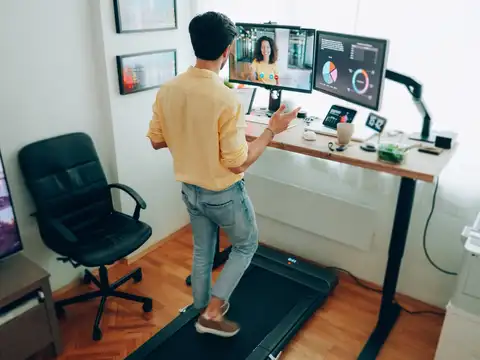
You bought a standing desk thinking it'd transform your health. Truth is, swapping sitting for static standing doesn't reduce cardiovascular risk. Research confirms what matters most: frequent movement and breaks, not your desk posture alone.
2/6
What the Latest Research Shows
A recent University of Sydney study tracked 83,000 adults for eight years. Finding: standing more didn't lower heart disease or stroke risk. Beyond two hours of continuous standing, circulation problems like varicose veins and deep vein thrombosis (blood clots) actually climbed by 11 percent every extra 30 minutes.

3/6
Why Stationary Equals Stagnation (Sitting or Standing)
Your leg muscles are blood pumps. When inactive for hours, blood pools in your legs instead of circulating back to your heart. Experts found that staying motionless for over 12 hours daily, whether seated or upright, damages cardiovascular health. Movement breaks trump position.
Amazon Top Deals
POWERED BY


4/6
The Real Culprit: Sedentary Behavior and Lack of Breaks
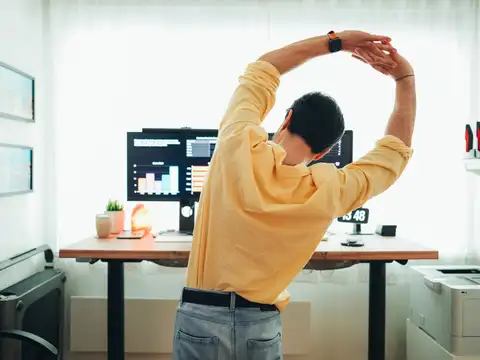
Average desk worker spends 13 hours stationary daily (11 sitting, 2 standing). That's the problem. Your body needs micro-movements every 30 minutes. Walking, stretching, climbing stairs, or light fidgeting activates muscles and keeps blood flowing naturally without forcing your legs to work overtime.
5/6
What Works Instead: The Movement Prescription
Forget standing marathons. Experts recommend incidental movement throughout your workday. Walk during calls, use stairs, stand during meetings, take a proper lunch break away from your desk. Even light activity beats perfect posture while immobilized. Variety in movement patterns matters most.

6/6
Health Signals You're Sitting or Standing Too Long
Swelling in ankles, heaviness in legs, or visible veins branching across calves signal circulation strain. Dizziness when standing suddenly (orthostatic hypotension) means your cardiovascular system's struggling to regulate. These warrant movement, not desk switching.
(Disclaimer: This story is purely for educational purposes only. It does not substitute for professional medical advice nor should it be considered as professional medical advice.)
(Disclaimer: This story is purely for educational purposes only. It does not substitute for professional medical advice nor should it be considered as professional medical advice.)