Antiviral against Nipah has arrived in Kerala: State govt
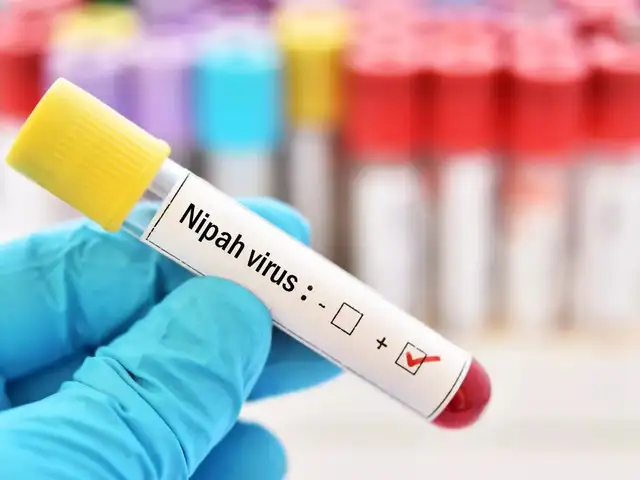
The Kerala government has announced that the monoclonal antibody required for treating Nipah virus infections has arrived in the state. Although the medicine is not clinically proven, it is currently the only available antiviral treatment for the ...
By PTI | Updated:

ANI
THIRUVANANTHAPURAM: The Kerala government on Thursday said the monoclonal antibody required for treatment of those infected by the Nipah virus has arrived in the state. State Health Minister Veena George said a meeting was held between the Principal Secretary of the Health Department and the Union Health Ministry earlier in the day and now the monoclonal antibody has arrived.
She told reporters that stability of the medicine, which is not clinically proven yet but is the only available antiviral treatment for Nipah virus infection, was discussed with a central expert committee.
"Further steps or course of action would be decided by the expert committee," she said.
Earlier in the day, in the state Assembly, the Minister said there was no need to be apprehensive about the Nipah outbreak in Kozhikode district, but caution needs to be exercised by people as they go about their daily activities.
"There is no need for any apprehension. We can all together deal with the issue with caution," she said in a statement in the Assembly.
The brain-damaging virus has killed two people and infected three others in Kozhikode district.
On Wednesday, a 24-year old health worker became Kerala's fifth confirmed Nipah case since its recent outbreak.
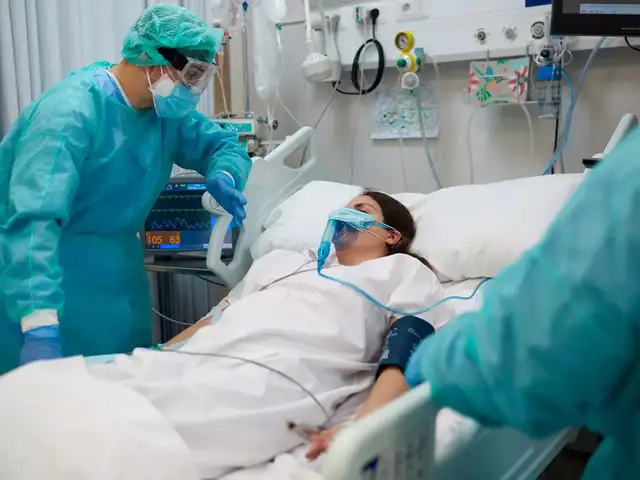
Of the three infected persons under treatment, the condition of a nine-year-old boy continues to remain critical.
Following the outbreak, all educational institutions in Kozhikode district were closed on Thursday and Friday.
Kozhikode District Collector A Geetha announced this in a Facebook post and said educational institutions can arrange online classes on the two days for students.
However, there will be no change in university exams schedule, she added.
A 24-hour control room was set up in the neighbouring district of Wayanad following the Nipah outbreak in Kozhikode
The Wayanad district administration also constituted 15 core committees to lead the prevention and surveillance activities and effectively deal with emergency situations.
The virus strain seen in the state was the Bangladesh variant that spreads from human to human and has a high mortality rate, though it is less infectious, the government has said.
The government has also said the WHO and ICMR studies had found out that the entire state of Kerala is prone to getting such infections, not just Kozhikode.
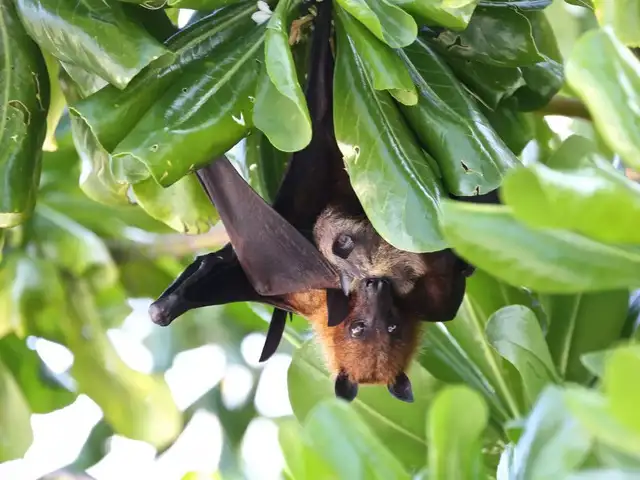
People living in forest areas have to take the highest precautions, it has said, and added that the latest case of the Nipah virus originated within five kilometres of a jungle area.
Around 11 wards were declared as containment zones in Kozhikode district till Wednesday evening.
She told reporters that stability of the medicine, which is not clinically proven yet but is the only available antiviral treatment for Nipah virus infection, was discussed with a central expert committee.
"Further steps or course of action would be decided by the expert committee," she said.
Earlier in the day, in the state Assembly, the Minister said there was no need to be apprehensive about the Nipah outbreak in Kozhikode district, but caution needs to be exercised by people as they go about their daily activities.
"There is no need for any apprehension. We can all together deal with the issue with caution," she said in a statement in the Assembly.
The brain-damaging virus has killed two people and infected three others in Kozhikode district.
ADVERTISEMENT
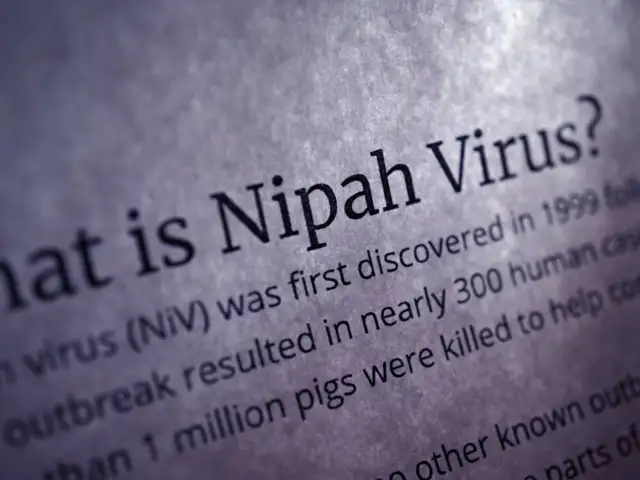
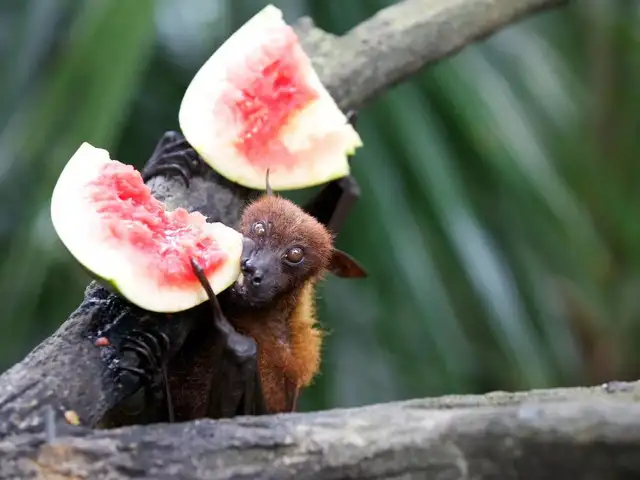
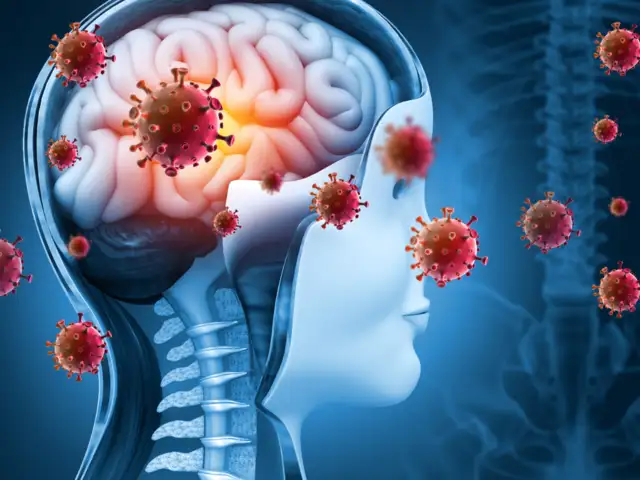
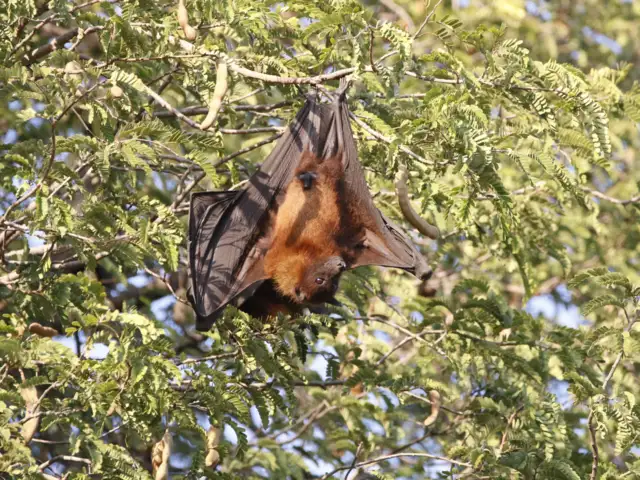
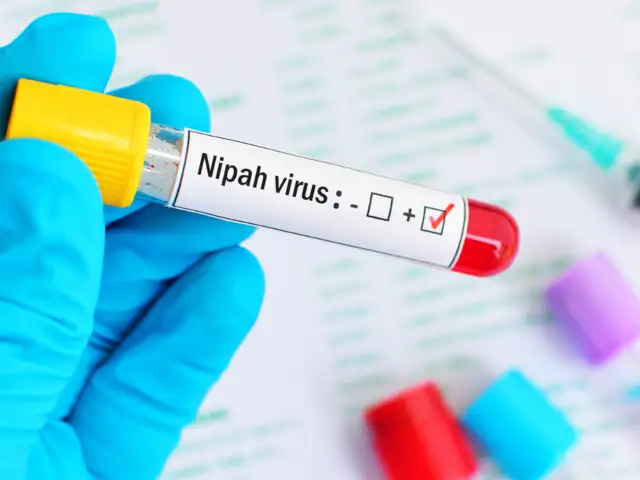
The Nipah virus is a zoonotic virus that can cause severe respiratory and neurological illness in humans. The infection can be fatal, with mortality rates varying depending on the outbreak and the quality of medical care available. Mortality rates can range from 40% to 90%.
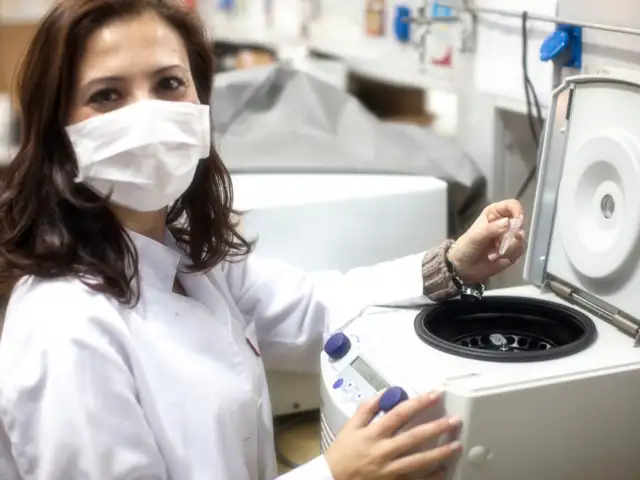


On Wednesday, a 24-year old health worker became Kerala's fifth confirmed Nipah case since its recent outbreak.
Of the three infected persons under treatment, the condition of a nine-year-old boy continues to remain critical.
Following the outbreak, all educational institutions in Kozhikode district were closed on Thursday and Friday.
ADVERTISEMENT
Kozhikode District Collector A Geetha announced this in a Facebook post and said educational institutions can arrange online classes on the two days for students.
However, there will be no change in university exams schedule, she added.
ADVERTISEMENT
A 24-hour control room was set up in the neighbouring district of Wayanad following the Nipah outbreak in Kozhikode
The Wayanad district administration also constituted 15 core committees to lead the prevention and surveillance activities and effectively deal with emergency situations.
The virus strain seen in the state was the Bangladesh variant that spreads from human to human and has a high mortality rate, though it is less infectious, the government has said.
The government has also said the WHO and ICMR studies had found out that the entire state of Kerala is prone to getting such infections, not just Kozhikode.
People living in forest areas have to take the highest precautions, it has said, and added that the latest case of the Nipah virus originated within five kilometres of a jungle area.
Around 11 wards were declared as containment zones in Kozhikode district till Wednesday evening.
At least 5 people have been infected with the deadly Nipah virus (NiV) in the Kozhikode district of Kerala, with the government announcing the closure of educational institutions. The fresh outbreak of Nipah started with the death of a person on August 30 but it was on Monday when a contact of the person, who passed away, tested positive, it was declared that Nipah is back.


Download
The Economic Times Business News App for the Latest News in Business, Sensex, Stock Market Updates & More.
The Economic Times Business News App for the Latest News in Business, Sensex, Stock Market Updates & More.
Download
The Economic Times News App for Quarterly Results, Latest News in ITR, Business, Share Market, Live Sensex News & More.
The Economic Times News App for Quarterly Results, Latest News in ITR, Business, Share Market, Live Sensex News & More.
ADVERTISEMENT


