
An AI “from 1834” accidentally dug up a real protest — here’s how

1/7
The wild moment
A hobby project fed only Victorian‑era London text was asked about 1834 — and it mentioned protests that actually happened, surprising its creator.

2/7
What the AI saw
It read thousands of old pages — newspapers, pamphlets, books — and picked up patterns about life, people, and events in that time.

3/7
Why this matters
Instead of “making things up,” the model stitched together clues from many sources and landed on an event historians recognize — a rare “happy accident.”
Amazon Top Deals
POWERED BY

Crompton Ozone 75 Litres Desert Air Cooler for home | Large & Easy Clean Ice Chamber | 4-Way Air Deflection | High Density Honeycomb Pads | Everlast Pump | Auto Fill| 3 Year Brand Warranty
₹9,798Buy Now43%
OFF

atomberg Studio Smart+ 1200mm BLDC Ceiling Fan with IoT & Remote | BEE 5 star Rated Energy Efficient Ceiling Fan | High Air Delivery with LED Indicators | 3 Year Warranty (Earth Brown)
₹5,882Buy Now36%
OFF

LG 32 L Convection Microwave Oven (MC3286BRUM, Black, 360° Motorised Rotisserie for Bar-be-queing, 301 Auto Cook Menu, Stainless steel cavity, Indian Cuisine, Tandoor Se, Steam Clean & Diet Fry)
₹19,340Buy Now19%
OFF
4/7
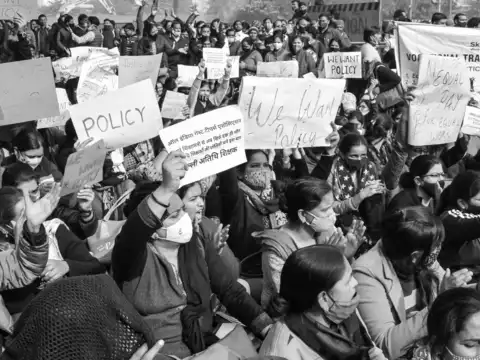
The 1834 protests
London saw huge demonstrations that year connected to labor and politics; names like Lord Palmerston show up in the records around that era.

5/7
Not magic (just patterns)
The AI didn’t “remember” the past — it noticed how words and names clustered together across many documents, then guessed likely connections.

6/7
What it could unlock
This approach might help historians sift archives faster, spot forgotten stories, and flag leads to check — while experts still verify the facts.

7/7
A caution too
Old texts carry biases. An AI trained on them may copy those biases — so human review remains essential before trusting claims.