
5 real alternatives to protein powder for muscle building
1/7
Alternatives to protein supplements
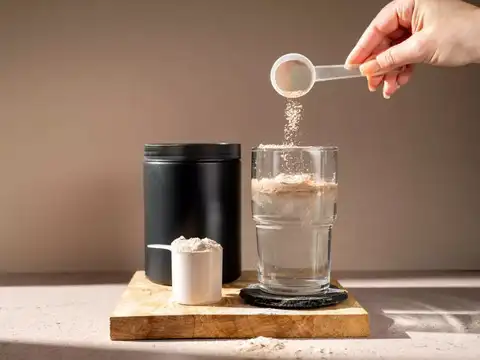
Protein powder is convenient, but it's not essential. Your muscles grow when you give them enough protein throughout the day, along with good training and rest. Whole foods like eggs, paneer, dal, and soya chunks can easily meet your protein needs—and they come with extra nutrients that powders often lack. Here are five simple, affordable alternatives that work just as well.

2/7
Eggs the gold standard
Protein content: 1 whole egg = ~6g protein; 1 egg white = ~3.5g protein Eggs contain all nine essential amino acids your body can't make on its own, making them a "complete protein." The yolk also has healthy fats and vitamins A, D, and B12 that support energy and recovery. Boiled, scrambled, or as an omelette with veggies. Eat 3–4 whole eggs daily if you're training hard, or go for more egg whites if you want to limit fat and calories. Pair with whole wheat toast or chapati for carbs, or toss into a dal-rice bowl for a complete post-workout meal.
3/7
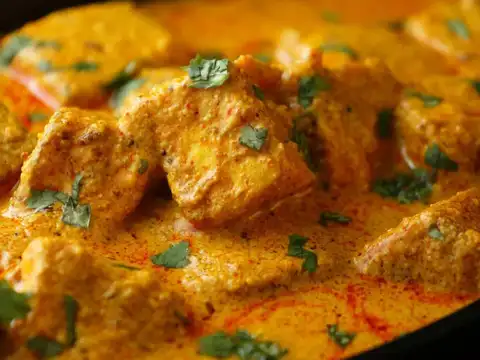
Paneer (Indian cottage cheese) vegetarian powerhouse
Protein content: 100g paneer = ~18–20g protein Paneer is rich in casein, a slow-digesting protein that keeps feeding your muscles for hours—great before bed or between meals. It's also packed with calcium for bone health. Raw cubes as a snack, grilled paneer tikka, paneer bhurji with veggies, or stirred into sabzi. Avoid deep-frying to keep it healthy. Combine paneer with roti and dal for a high-protein thali, or blend paneer into a smoothie with banana and milk for a homemade shake.
Amazon Top Deals
POWERED BY

4/7
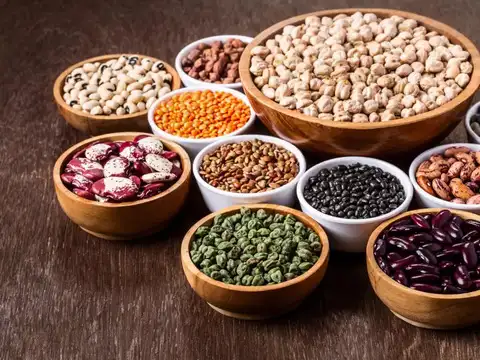
Lentils and legumes (dal, rajma, chana) budget-friendly protein
Protein content:1 cup cooked moong/masoor dal = ~7–9g protein1 cup cooked rajma (kidney beans) = ~15g protein1 cup boiled chickpeas (chana) = ~15g protein Lentils and beans are loaded with protein, fiber, and complex carbs that fuel your workouts and keep you full. While they're not complete proteins on their own, pairing them with rice or roti gives you all the amino acids you need. Daily dal with rice, rajma-chawal, chickpea salad, or roasted chana as a snack. Sprouts (moong, chana) are even easier to digest and great for breakfast or evening snacks. Add lemon and chaat masala for flavor.
5/7
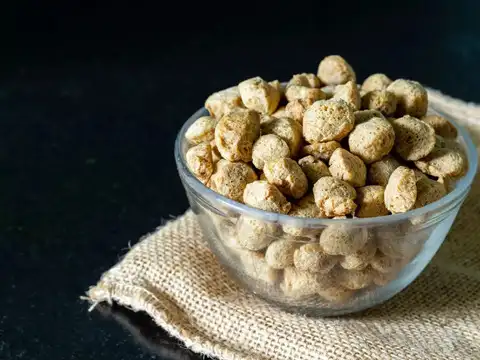
Soya chunks (meal maker/nutri nuggets) vegetarian meat substitute
Protein content:: 100g dry soya chunks = ~52g protein (about 25g when cooked and rehydrated) Soya is one of the few plant foods that's a complete protein, meaning it has all essential amino acids. It's also incredibly cheap and stores well. Soak in hot water for 10 minutes, squeeze out excess water, then cook like you would chicken—curries, biryani, stir-fries, or kebabs. Make soya chunk curry with onion-tomato gravy, or dry-roast with spices for a high-protein snack. Pair with rice or roti for a complete meal.
6/7
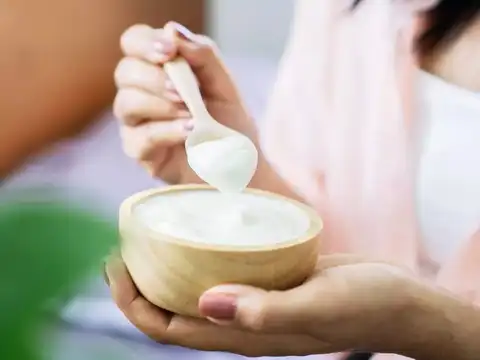
Greek yogurt (or thick curd/hung curd) creamy protein boost
Protein content:: 100g Greek yogurt = ~10g protein (double that of regular yogurt) Greek yogurt (or Indian hung curd/chakka) is strained, so it's thicker and higher in protein. It also contains probiotics for gut health and calcium for bones. As a snack with fruit and nuts, in smoothies, as a raita, or as a base for protein-packed dips. Make your own hung curd at home—tie regular curd in a muslin cloth and hang overnight to drain the water. Mix with banana and honey for a post-workout treat.
7/7
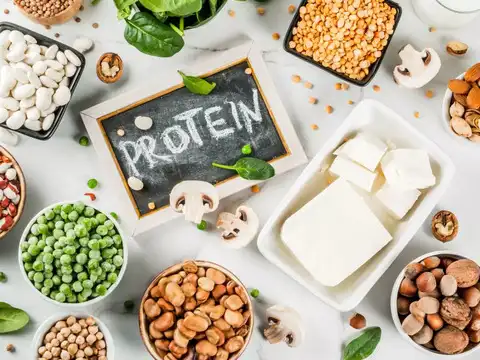
How much protein do you actually need?
For muscle building: Aim for 1.6–2.2g of protein per kg of body weight each day.Example: If you weigh 70 kg, target 110–155g protein daily. Spread it out Your body can only use about 20–30g of protein per meal for muscle building, so split your intake across 4–5 meals instead of loading up in one sitting. Don't forget carbs and fats Protein alone won't build muscle—you also need enough calories, carbs for energy, and healthy fats for hormones.
(Disclaimer This story is not for professional medical advice and does not substitute medical advice.)
(Disclaimer This story is not for professional medical advice and does not substitute medical advice.)