
Afraid of microplastics altering your hormones? 5 simple kitchen steps to limit the exposure
1/6
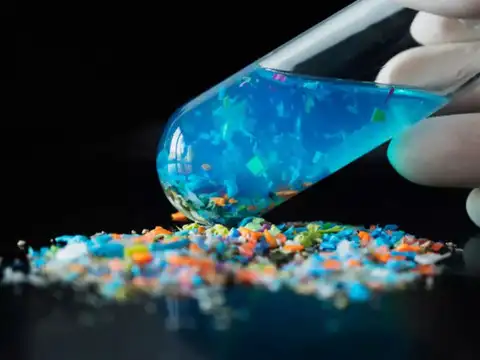
What are microplastics and what do they do
Microplastics are tiny plastic pieces that can act like weak hormones in the body and may interfere with normal signals of estrogen, testosterone, and thyroid hormones. They are smaller than 5 millimeters that can enter food and water from packaging, bottles, cookware, and the air.
2/6
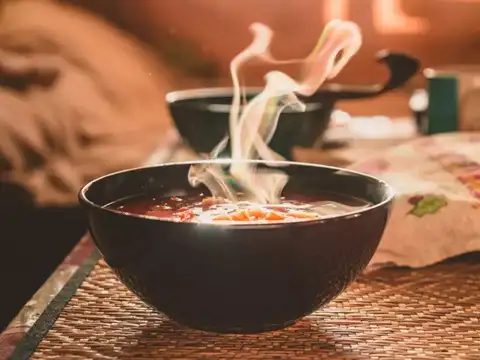
Switch hot food out of plastic
Heat moves more plastic chemicals into food, especially oily or spicy curries. Do not pour hot dal, sambhar, rasam, gravies, or biryani into plastic bowls, melamine, or disposable containers. Transfer hot food to stainless steel, glass, or ceramic. If ordering food, move it from plastic to steel plates or katoras as soon as it arrives.
3/6
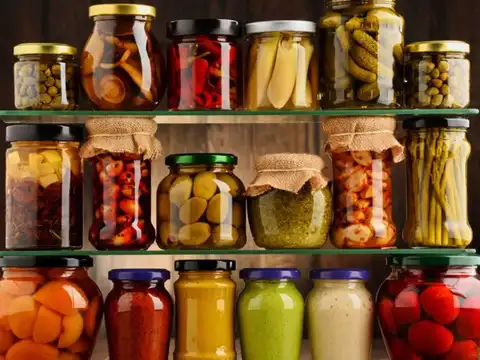
Use safer storage containers
For fridge and pantry, choose stainless steel dabbas, glass jars, or good quality ceramic for leftovers and pickles. If plastic is the only option, use it only for cold and dry items like dry snacks, masalas in inner sachets, or short term storage. Check symbols and prefer polypropylene with the number 5 when needed. Avoid cracked or cloudy containers because damage increases leaching.
Amazon Top Deals
POWERED BY
4/6
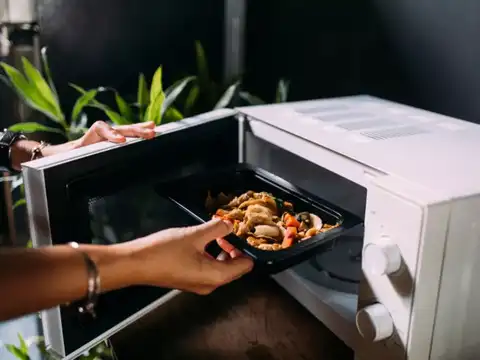
Heat smart: microwave and stove
Do not microwave food in plastic boxes, cling film, or disposable bowls. Reheat food in glass or ceramic with a loose lid or a small plate to prevent splatter. On the stove, avoid scraping hot nonstick pans with steel spoons. Use wooden or silicone spatulas to reduce coating wear. Replace badly scratched nonstick pans. For everyday cooking, prefer stainless steel or cast iron with enough oil and proper preheating.
5/6
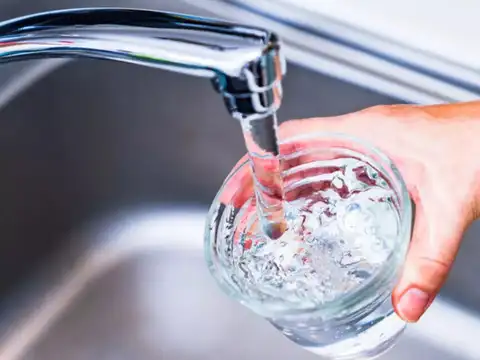
Better water choices
Tap water can carry microplastics and dust. If possible, use a good sediment plus activated carbon filter at the kitchen sink or a reverse osmosis purifier with annual service. For daily use, store water in steel or glass bottles rather than plastic. If carrying water outdoors, choose stainless steel bottles and avoid leaving plastic bottles in hot cars because heat increases leaching.
6/6
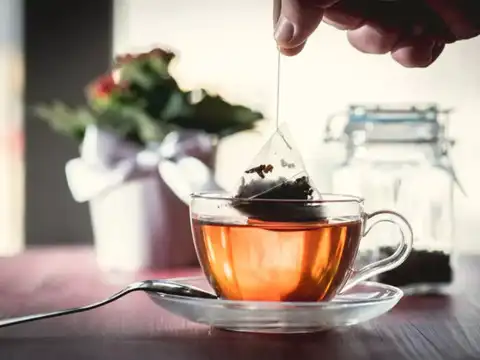
Reduce plastic from tea and coffee
Some tea bags use plastic mesh and may shed microplastics in hot water. Choose loose leaf tea with a steel tea strainer or buy paper tea bags from brands that state plastic free on the pack. For coffee, prefer a steel filter, a French press with glass and steel, or pour over with a paper filter rather than plastic pods.
(Disclaimer: This story is not for professional medical advice and does not substitute any medical advice; it is strictly for educational purposes alone.)
(Disclaimer: This story is not for professional medical advice and does not substitute any medical advice; it is strictly for educational purposes alone.)