
9 early signs of pancreatic cancer you should know
1/8
Catch the subtle signs
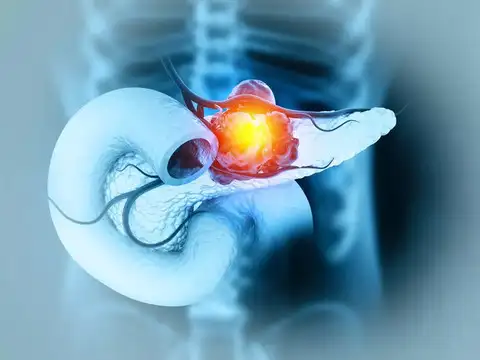
Pancreatic cancer is hard to spot early because symptoms are vague, but patterns like painless jaundice, new digestive changes, and sudden diabetes can be important clues that require immediate attention.
2/8
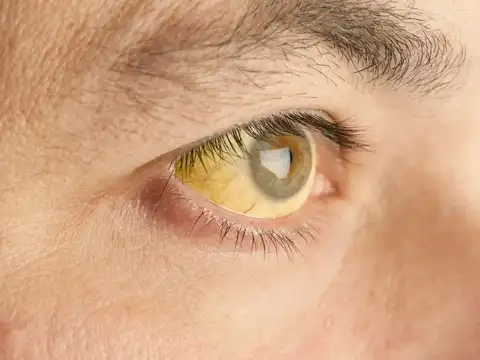
Painless jaundice (yellow eyes/skin)
Yellowing of the eyes or skin with dark urine and pale or greasy stools can occur when a tumor blocks the bile duct, especially in cancers at the pancreatic head.

3/8
Dark urine and pale, greasy stools
Brown urine that turns very dark and light‑colored, clay, or oily stools that float suggest bile flow obstruction and poor fat digestion (steatorrhea).
Amazon Top Deals
POWERED BY


4/8
Upper abdominal pain radiating to the back
A dull, persistent ache in the upper abdomen that boomerangs straight through to the back, often worse after eating or when lying down, is a common symptom.

5/8
Unexplained weight loss and appetite loss
Noticeable, unintentional weight loss with early fullness, nausea, or indigestion can reflect impaired enzyme output and cancer‑related metabolic changes.

6/8
New‑onset or worsening diabetes
Sudden diabetes in midlife without usual risk factors—or a recent, unexplained deterioration of previously stable diabetes—can be an early sign.

7/8
Extreme tiredness and general malaise
Ongoing fatigue, weakness, and low energy are common but nonspecific; in combination with other symptoms they add diagnostic weight.

8/8
Itching without a rash
Intense generalized itching, especially with dark urine and pale stools, can signal rising bilirubin from bile duct blockage.
(Disclaimer: This story is for general informational purposes only and does not constitute medical advice. Please consult a registered dietitian or healthcare provider for personalized guidance.)
(Disclaimer: This story is for general informational purposes only and does not constitute medical advice. Please consult a registered dietitian or healthcare provider for personalized guidance.)