
8 quick fixes for surviving a low BP dip that can save you
1/8
What’s happening and when to worry
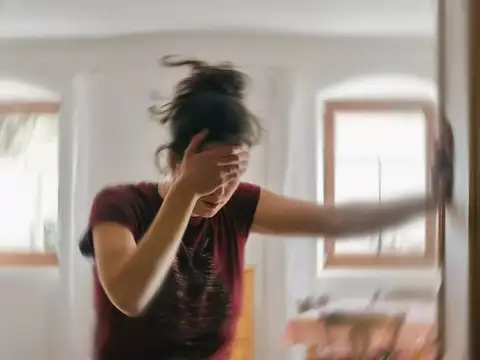
Low blood pressure means the pressure in your arteries is too low to push enough blood to your brain, so you feel dizzy, weak, or may faint; if symptoms are severe, sudden, or include chest pain, shortness of breath, or confusion, seek urgent care.

2/8
Sit or lie down, legs up
If you feel light‑headed, sit or lie immediately and raise your legs on a chair or pillows to help blood flow back to your heart and brain; stay put until the spinning stops.If outdoors, squat or cross your legs and tense your thighs and glutes—these “counter‑maneuvers” squeeze blood vessels in your legs to push pressure up.

3/8
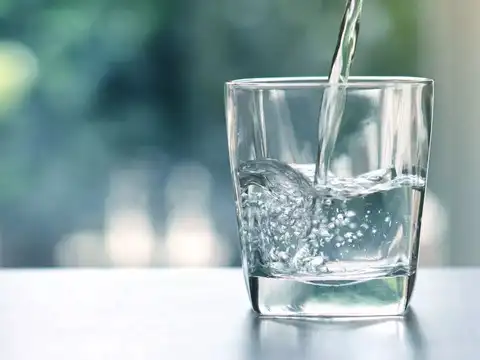
Drink water now
A big glass of water can quickly raise blood pressure by increasing blood volume; cold water boluses before standing have been shown to help people prone to drops.Make hydration a habit: carry a bottle and sip through the day, especially in heat, during illness, or when exercising.
Amazon Top Deals
POWERED BY

Crompton Ozone 75 Litres Desert Air Cooler for home | Large & Easy Clean Ice Chamber | 4-Way Air Deflection | High Density Honeycomb Pads | Everlast Pump | Auto Fill| 3 Year Brand Warranty
₹9,798Buy Now43%
OFF

LG 32 L Convection Microwave Oven (MC3286BRUM, Black, 360° Motorised Rotisserie for Bar-be-queing, 301 Auto Cook Menu, Stainless steel cavity, Indian Cuisine, Tandoor Se, Steam Clean & Diet Fry)
₹19,340Buy Now19%
OFF
4/8
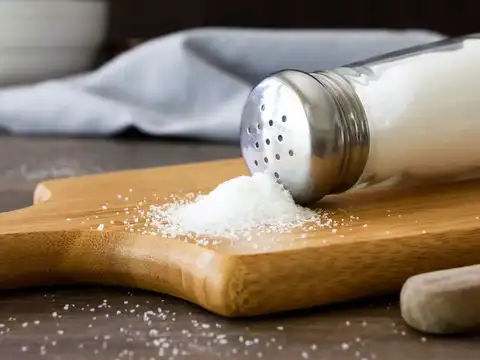
Add a little salt (if your doctor says it’s safe)
For people who regularly run low, a slight increase in salt can help raise pressure, but this must be personalized to avoid long‑term heart risks; don’t change salt without medical advice.If cleared to do so, pair salty snacks with water during a dip to expand blood volume more effectively.
5/8
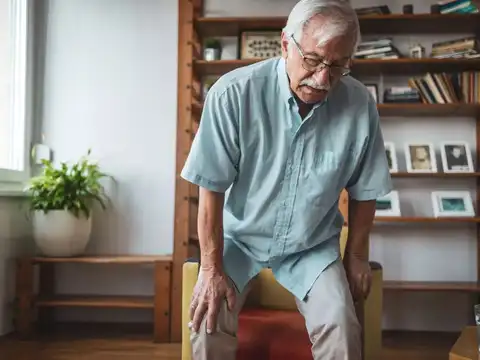
Stand up slowly and use support
When getting up, move in stages: lie to sit, pause, then stand; hold a wall or rail for the first 10–20 seconds to avoid a head rush and falls.Avoid sudden position changes, very hot showers, and long standing in heat, which all widen blood vessels and drop pressure.
6/8
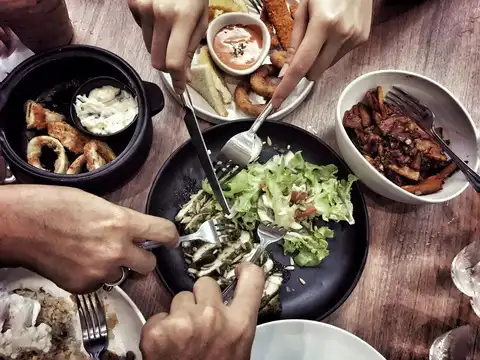
Eat smaller, more frequent meals
Large, heavy meals pull blood to your gut and can lower pressure; smaller meals with balanced protein, fiber, and healthy fats help keep levels steadier through the day.Limit alcohol, which can lower blood pressure and worsen dizziness, especially on an empty stomach.
7/8
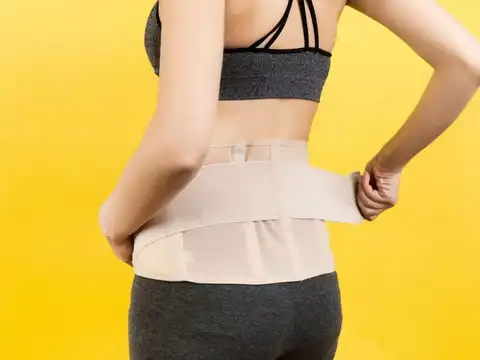
Try compression: stockings or an abdominal belt
Compression stockings or an abdominal binder prevent blood from pooling in your legs and belly, helping more blood return to your heart when you stand.People with frequent standing‑related drops often feel better with daily compression during waking hours; take them off at night.
8/8
Learn the “A‑B‑C‑E‑F” self‑care playbook
A: Abdominal compression; B: Bolus of cold water and Bed head raised; C: Counter‑maneuvers (leg and buttock muscle squeezes); D: Discuss medicines with your doctor; E: Education/Exercise; F: Fluids and salt as advised.
(Disclaimer: This story is not for professional medical advice and does not substitute medical advice.)
(Disclaimer: This story is not for professional medical advice and does not substitute medical advice.)