
8 hidden dangers of vitamin D overdose and how to reverse it naturally
1/7
When “more” turns harmful
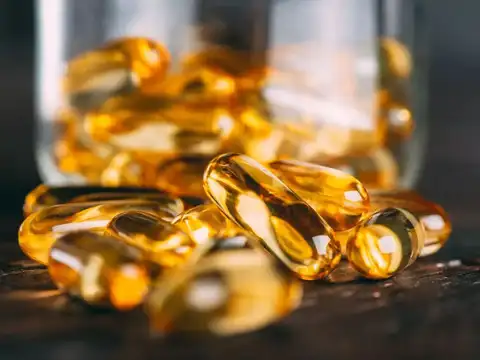
Vitamin D is vital for bones and immunity, but excess intake, typically from prolonged high-dose supplements—can cause toxic blood levels, raise calcium dangerously, and stress the heart, kidneys, and brain; catching it early prevents complications. Symptoms often look “nonspecific,” so testing guides the next steps.
2/7
Danger: Calcium overload and dehydration
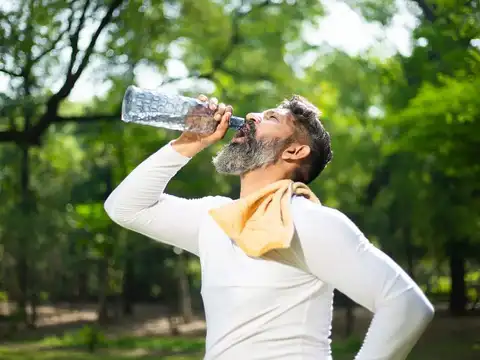
High vitamin D raises intestinal calcium absorption, leading to hypercalcemia that triggers intense thirst, frequent urination, nausea, constipation, and muscle weakness; left unchecked, dehydration worsens symptoms and can become an ER issue.
3/7
Danger: Kidney stones and kidney strain
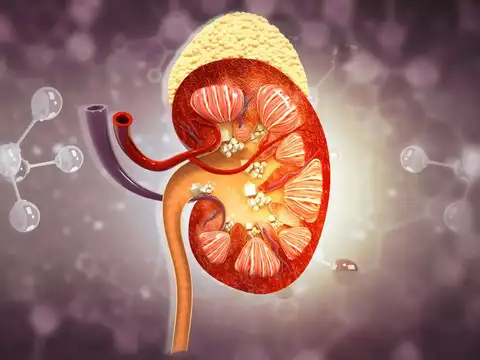
Sustained high calcium can promote calcium‑based kidney stones and tubular injury; severe cases risk acute kidney injury, especially if dehydration, high sodium, and low fluid intake coexist.
Amazon Top Deals
POWERED BY

Crompton Ozone 75 Litres Desert Air Cooler for home | Large & Easy Clean Ice Chamber | 4-Way Air Deflection | High Density Honeycomb Pads | Everlast Pump | Auto Fill| 3 Year Brand Warranty
₹9,798Buy Now43%
OFF

atomberg Studio Smart+ 1200mm BLDC Ceiling Fan with IoT & Remote | BEE 5 star Rated Energy Efficient Ceiling Fan | High Air Delivery with LED Indicators | 3 Year Warranty (Earth Brown)
₹5,903Buy Now36%
OFF

LG 32 L Convection Microwave Oven (MC3286BRUM, Black, 360° Motorised Rotisserie for Bar-be-queing, 301 Auto Cook Menu, Stainless steel cavity, Indian Cuisine, Tandoor Se, Steam Clean & Diet Fry)
₹19,340Buy Now19%
OFF
4/7
Danger: Heart rhythm and blood pressure effects
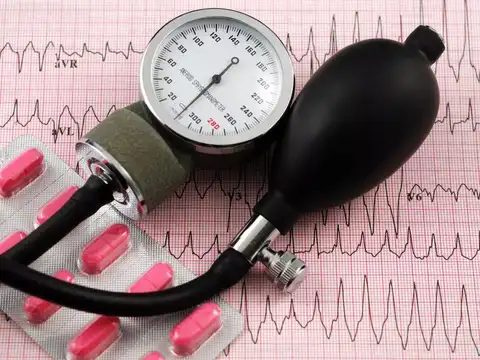
Hypercalcemia can provoke palpitations, arrhythmias, and blood pressure instability; people with existing heart disease or on digitalis are particularly vulnerable and require urgent medical review for persistent symptoms.
5/7
Danger: Bone pain and paradoxical weakness
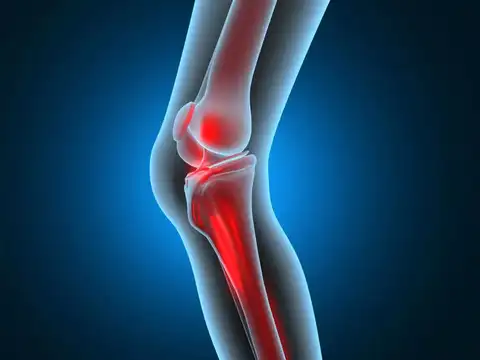
Although vitamin D supports bone health, toxicity can produce bone pain, back pain, and muscle weakness from electrolyte imbalance and dehydration, undermining mobility and recovery.
6/7
First steps to reverse it (stop/switch/space)
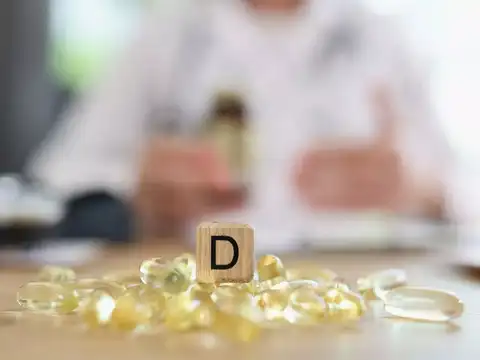
Stop high‑dose vitamin D immediately unless a doctor advises otherwise; avoid combined D + calcium products.If taking multivitamins, choose D‑free temporarily and log all sources (capsules, drops, fortified foods). Typical washout requires weeks; plan a retest window with a clinician.

7/7
Hydrate and balance electrolytes
Target 2.0–2.5 liters water daily (unless fluid‑restricted), adding oral rehydration or lemon water to support volume and reduce stone risk. Moderate dietary calcium (do not eliminate) and lower sodium to decrease urinary calcium losses and kidney stress. Skip deliberate high‑intensity sun exposure while levels are elevated; incidental daylight is okay.(Disclaimer: Not professional medical advice. Only for general educational purposes)