
8 foods you'd never guess are wrecking your digestion
1/6
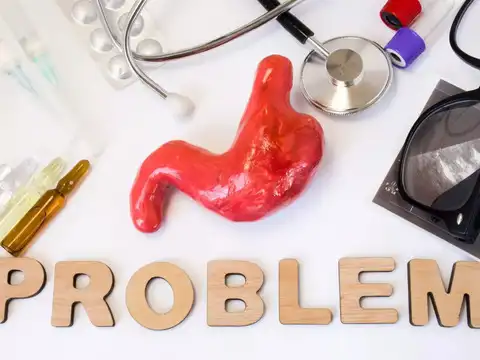
The acidity trap nobody talks about
Chronic acidity sneaks up through unexpected sources. Your lower esophageal sphincter, a muscle keeping stomach acid at bay, gets relaxed by foods you'd never suspect. Here's what's really happening when your chest burns.
2/6
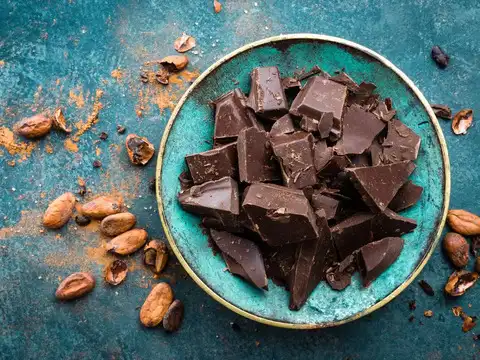
Chocolate and mint: the deceptive duo
Chocolate releases serotonin, relaxing that crucial sphincter muscle. Mint? Sounds soothing but it irritates the esophagus lining instead. Even herbal peppermint tea works against you. Skip both if reflux plagues you regularly and severely.
3/6
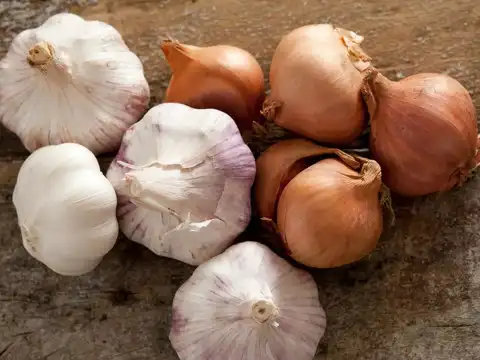
Onions and garlic: seemingly innocent vegetables
Raw onions contain fructans your gut struggles digesting, plus they weaken the sphincter muscle directly. Garlic does the same thing. Cooked versions bother some people less, so experiment cautiously if you crave these flavours.
Amazon Top Deals
POWERED BY


4/6
Dairy products: the misleading remedy
Milk feels soothing but actually increases stomach acid production. Cheese, full-fat yogurt, and ice cream worsen reflux through their fat content. Counterintuitively, they aggravate what they seem to calm, disappointing countless sufferers.

5/6
Carbonated beverages and caffeine: the pressure builders
Sodas bloat your belly, pushing acid upward. Coffee and tea relax your sphincter while boosting acid. Both caffeine and carbonation conspire against your esophagus simultaneously, making reflux unrelenting for sensitive people.

6/6
High-fat fried foods and processed meats: the slow-burners
Deep-fried chips, greasy bacon, and sausages linger in your stomach, giving acid extra time to accumulate. Fat fundamentally slows digestion and weakens that protective sphincter muscle, prolonging discomfort.
(Disclaimer: This is purely for educational purposes only. Not professional medical advice and does not substitute for any professional medical advice.)
(Disclaimer: This is purely for educational purposes only. Not professional medical advice and does not substitute for any professional medical advice.)