
8 foods you should avoid to prevent kidney stones and protect your health
1/8
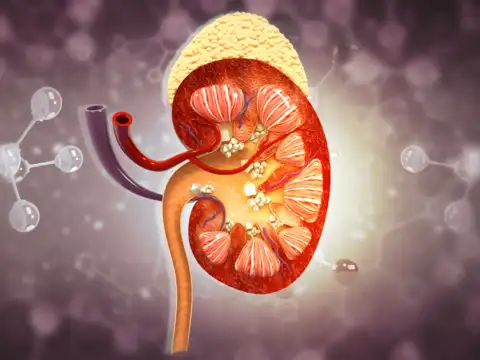
Foods that causes kidney stones
Kidney stones cause pain and disrupt daily life. Eating the wrong foods can increase your risk. Learn about 8 common foods to avoid and protect your kidneys through simple, mindful dietary choices.
2/8
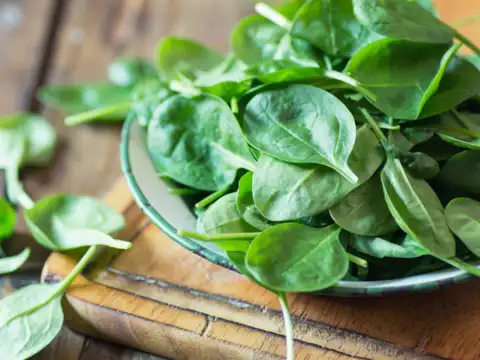
Spinach
Spinach is full of healthy nutrients but also high in oxalates. Consuming too much spinach can lead to excess oxalate buildup in the kidneys, increasing the chances of stone formation, especially for those already at risk.
3/8
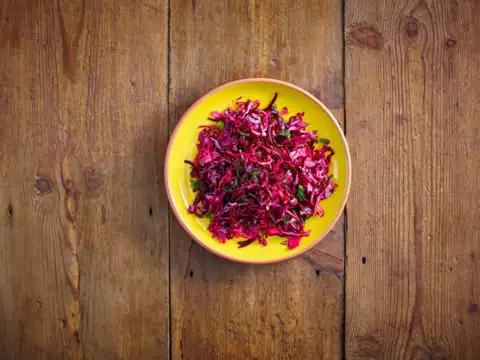
Beets
Beets are nutritious but rich in oxalates. Regular or large portions may contribute to kidney stone development. Limit beet consumption if you are prone to kidney issues or have a history of stones.
Amazon Top Deals
POWERED BY

Crompton Ozone 75 Litres Desert Air Cooler for home | Large & Easy Clean Ice Chamber | 4-Way Air Deflection | High Density Honeycomb Pads | Everlast Pump | Auto Fill| 3 Year Brand Warranty
₹9,798Buy Now43%
OFF

LG 32 L Convection Microwave Oven (MC3286BRUM, Black, 360° Motorised Rotisserie for Bar-be-queing, 301 Auto Cook Menu, Stainless steel cavity, Indian Cuisine, Tandoor Se, Steam Clean & Diet Fry)
₹19,340Buy Now19%
OFF
4/8
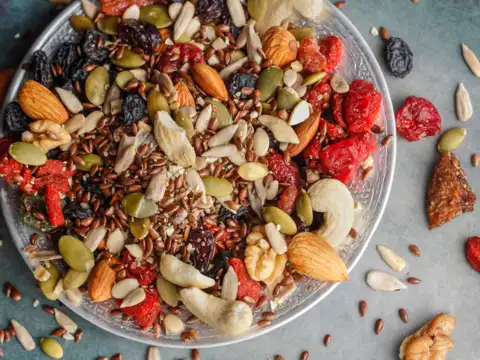
Nuts and seeds
Almonds, cashews, and other seeds are healthy in moderation but can be harmful if eaten excessively. Their high oxalate content may increase the risk of kidney stones, so it’s best to enjoy them occasionally.
5/8
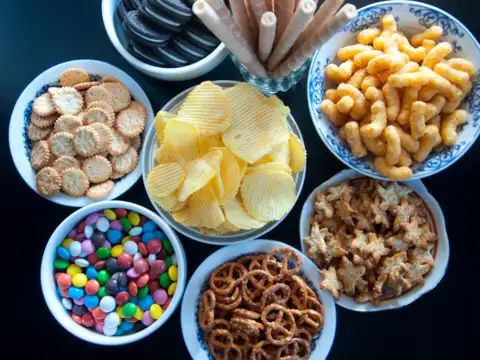
Salt and processed foods
High sodium intake forces your kidneys to excrete more calcium into the urine, which promotes stone formation. Avoid heavily salted and processed foods to maintain kidney health and prevent stones.
6/8
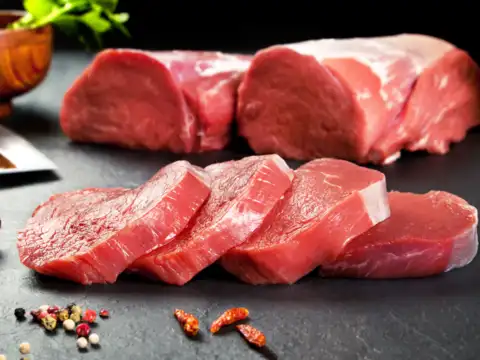
Red meat
Red meat is high in animal protein, which increases uric acid levels. Elevated uric acid can lead to stone formation. Reducing red meat consumption supports better kidney function and lowers the risk of stones.
7/8
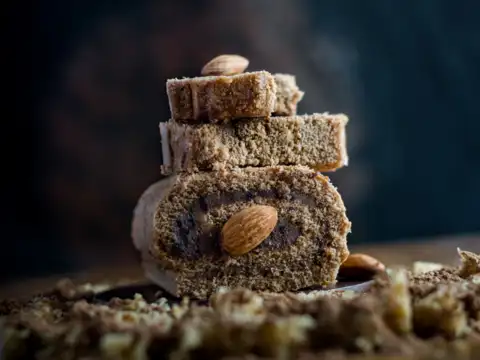
Chocolate & wheat bran
Chocolate and wheat bran are tasty but high in oxalates. Eating them too often may encourage kidney stone formation. Enjoy them in moderation and balance your diet with kidney-friendly foods.

8/8
Sugary beverages
Sodas and other sugary drinks reduce urine volume and add phosphates, increasing stone risk. Opt for water or herbal teas instead to stay hydrated and support kidney health.