
8 foods you should eat to protect your lungs from air pollution

1/6
Why food matters for lungs
Air pollution increases oxidative stress and inflammation in the airways and blood vessels, which can worsen cough, breathlessness, and long‑term risks like chronic obstructive pulmonary disease and heart disease. Foods rich in antioxidants and healthy fats can help neutralize pollutants and support the body’s repair processes when used with masks, air purifiers, and medical care.
2/6
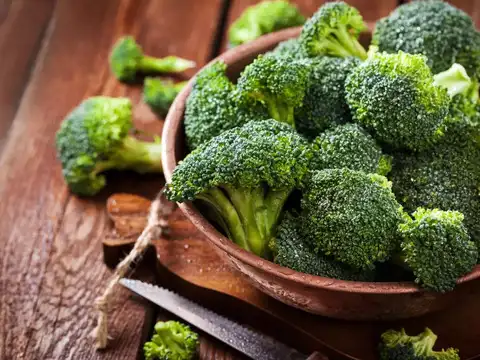
Broccoli sprouts and cruciferous vegetables
Broccoli sprouts, broccoli, cabbage, kale, and Brussels sprouts are rich in glucoraphanin that becomes sulforaphane, which switches on detox enzymes that help clear pollutants and lower inflammation. How to use: Lightly steam or eat raw in salads; broccoli sprouts can be blended into smoothies or sprinkled on bowls. Aim for a serving most days.
3/6
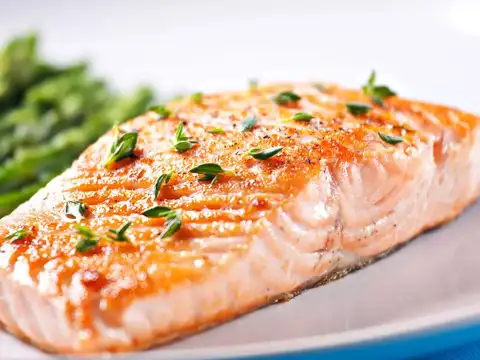
Omega 3 fatty acids from fish and seeds
Omega 3 polyunsaturated fatty acids such as docosahexaenoic acid and eicosapentaenoic acid from fatty fish and alpha‑linolenic acid from flaxseed may reduce inflammation and protect the heart and lungs during pollution exposure. How to use: Eat fatty fish like salmon, sardine, mackerel two times a week; add 1 teaspoon ground flaxseed daily.
Amazon Top Deals
POWERED BY

Crompton Ozone 75 Litres Desert Air Cooler for home | Large & Easy Clean Ice Chamber | 4-Way Air Deflection | High Density Honeycomb Pads | Everlast Pump | Auto Fill| 3 Year Brand Warranty
₹9,798Buy Now43%
OFF

LG 32 L Convection Microwave Oven (MC3286BRUM, Black, 360° Motorised Rotisserie for Bar-be-queing, 301 Auto Cook Menu, Stainless steel cavity, Indian Cuisine, Tandoor Se, Steam Clean & Diet Fry)
₹17,990Buy Now25%
OFF

4/6
Vitamin C rich fruits and peppers
Vitamin C is a water‑soluble antioxidant that can neutralize reactive oxygen species generated by pollutants in the lungs. Good sources include amla, oranges, guava, kiwi, and bell peppers. How to use: One fruit serving daily or chopped bell peppers in salads and stir fries.
5/6
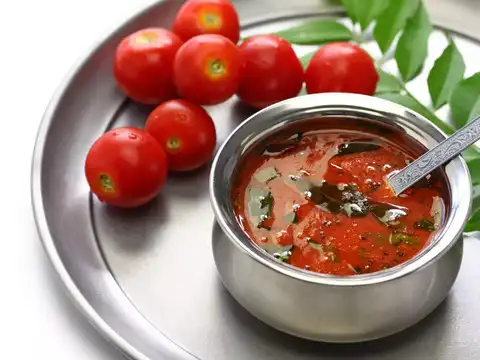
Tomatoes and lycopene
Tomatoes provide lycopene, a carotenoid antioxidant that may support airway health and reduce oxidative stress linked with polluted air. How to use: Cooked tomato dishes increase lycopene availability; combine with a little oil for better absorption.
6/6
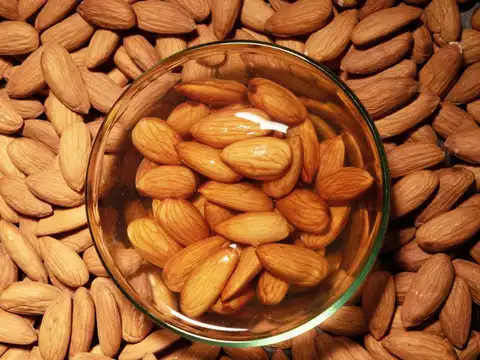
Almonds and other vitamin E sources
Vitamin E is a fat‑soluble antioxidant that protects cell membranes in lung tissue from oxidative damage caused by pollutants. Nuts and seeds like almonds and sunflower seeds are good sources. How to use: A small handful of almonds daily or mixed nuts as a snack.(Disclaimer: This story is not for professional medical advice and does not substitute any medical advice. This is strictly for educational purposes alone.)