
8 foods that fight colon cancer risk, according to science
1/5
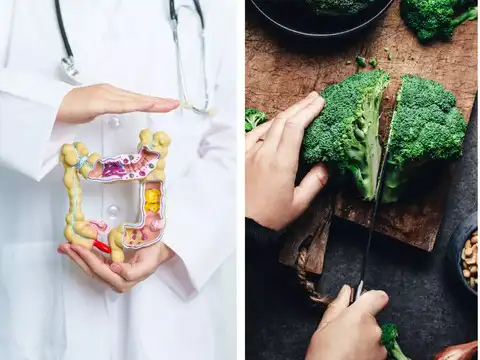
Food is your shield
Diet plays a pivotal role in colon cancer prevention. Fiber, antioxidants, and protective plant chemicals work together to keep your colon healthy. These five foods pack proven defenses against cell damage and inflammation.
2/5
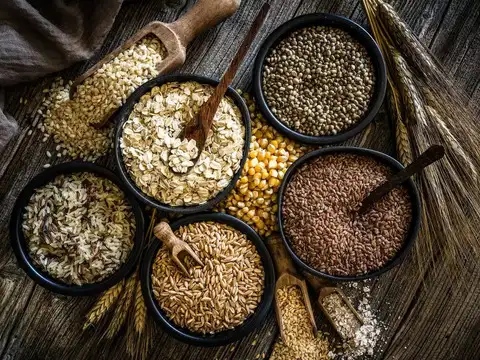
Whole grains: Fiber's protective power
Brown rice, oats, barley, whole wheat contain fiber that speeds waste through your colon, reducing carcinogen contact. Gut bacteria ferment fiber into butyrate, a short-chain fatty acid that shields colon cells from damage and tumor formation.
3/5
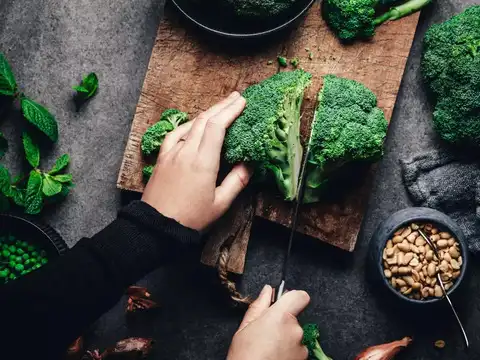
Broccoli and cruciferous vegetables
Broccoli, cabbage, kale, Brussels sprouts contain sulforaphane. When chewed, this compound activates detox enzymes, kills abnormal cells, and blocks inflammation. Studies show 17 percent lower colon cancer risk with regular consumption. Just 40 grams daily helps significantly.
Amazon Top Deals
POWERED BY

Crompton Ozone 75 Litres Desert Air Cooler for home | Large & Easy Clean Ice Chamber | 4-Way Air Deflection | High Density Honeycomb Pads | Everlast Pump | Auto Fill| 3 Year Brand Warranty
₹9,798Buy Now43%
OFF

LG 32 L Convection Microwave Oven (MC3286BRUM, Black, 360° Motorised Rotisserie for Bar-be-queing, 301 Auto Cook Menu, Stainless steel cavity, Indian Cuisine, Tandoor Se, Steam Clean & Diet Fry)
₹19,340Buy Now19%
OFF
4/5
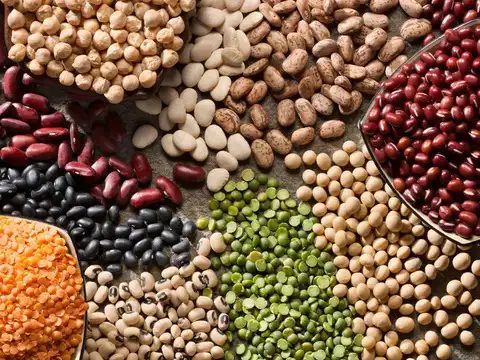
Legumes: Beans and lentils work hard
Chickpeas, lentils, black beans ferment into butyrate in your gut. This feeds healthy colon cells and starves tumor growth. High fiber and antioxidants reduce inflammation. Legumes address the underlying factors that trigger cancer progression.
5/5
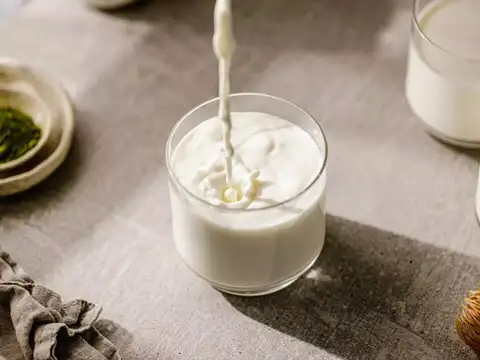
Calcium: Your colon's guardian
Milk, yogurt, cheese bind bile acids and fatty acids that could damage colon tissue. Yogurt adds probiotics, balancing gut flora for enhanced protection. Calcium intake correlates with lower colon and rectal cancer risk, especially paired with vitamin D.
(Disclaimer: This story is strictly for educational purposes only and does not substitute any professional medical advice and should not be considered as professional medical advice.)
(Disclaimer: This story is strictly for educational purposes only and does not substitute any professional medical advice and should not be considered as professional medical advice.)