
8 foods that combat vitamin b12 deficiency—before it sneaks up
1/5
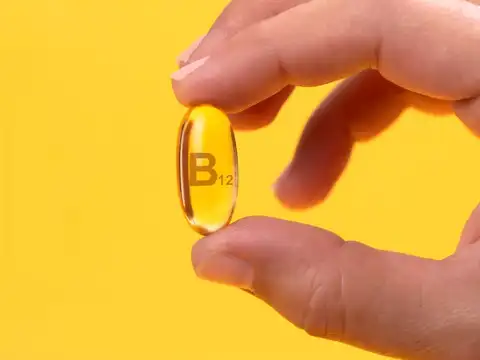
Why B12 Slips Through the Cracks
B12 deficiency (also called cobalamin deficiency) sneaks up because early symptoms feel generic—just exhaustion, brain fog, weak muscles. By the time tingling, numbness, or memory lapses show up, damage has often already begun. Eating B12-rich foods now beats chasing nerve problems later.
2/5
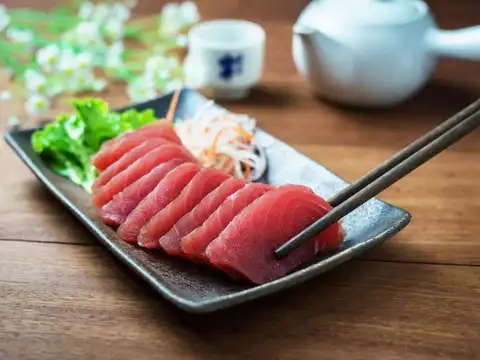
Fish and Seafood (Salmon, Tuna, Sardines)
Fish delivers B12 like few others. Salmon packs around 4.8 micrograms per 100 grams; tuna and sardines are similar powerhouses. One serving covers your daily need (2.4 micrograms). These fish also offer omega-3 fatty acids for heart and brain protection simultaneously.

3/5
Eggs and Dairy Products (Milk, Yogurt, Cheese)
Two boiled eggs give you 40 percent of daily B12. One cup low-fat milk covers 54 percent; yogurt gives 43 percent. Cheese adds smaller amounts, but pair it with whole grains for a B12-boosting snack. Vegetarians who eat dairy have easier access here than vegans do.
Amazon Top Deals
POWERED BY

Crompton Ozone 75 Litres Desert Air Cooler for home | Large & Easy Clean Ice Chamber | 4-Way Air Deflection | High Density Honeycomb Pads | Everlast Pump | Auto Fill| 3 Year Brand Warranty
₹9,798Buy Now43%
OFF

atomberg Studio Smart+ 1200mm BLDC Ceiling Fan with IoT & Remote | BEE 5 star Rated Energy Efficient Ceiling Fan | High Air Delivery with LED Indicators | 3 Year Warranty (Earth Brown)
₹5,882Buy Now36%
OFF
LG 32 L Convection Microwave Oven (MC3286BRUM, Black, 360° Motorised Rotisserie for Bar-be-queing, 301 Auto Cook Menu, Stainless steel cavity, Indian Cuisine, Tandoor Se, Steam Clean & Diet Fry)
₹19,340Buy Now19%
OFF
4/5
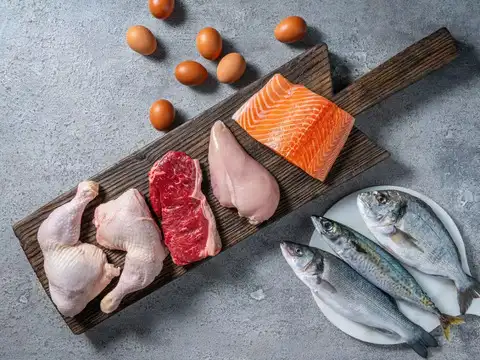
Meat and Poultry (Chicken, Mutton, Beef)
Lean mutton and beef punch hardest. Ground turkey delivers 1.6 micrograms per serving; regular chicken has less (0.3 micrograms) but still contributes. Organ meats—liver, kidneys—contain the highest concentrations naturally, though taste takes getting used to.

5/5
Fortified Foods (Cereals, Plant Milks, Nutritional Yeast)
Vegans and vegetarians rely here. Fortified soy milk gives 1 microgram per cup; almond milk similar amounts. Check cereal labels—many breakfast cereals add B12 specifically. Nutritional yeast, though less common in Indian kitchens, packs roughly 2.4 micrograms per tablespoon when fortified.
(Disclaimer: This story is for educational purposes alone and should not be considered as professional medical advice and does not substitute any medical advice.)
(Disclaimer: This story is for educational purposes alone and should not be considered as professional medical advice and does not substitute any medical advice.)