
8 essential heart tests your cardiologist wants you to take and when

1/10
Why regular heart health is necessary
Heart disease is the world’s leading killer, but a timely check-up can change the story. Cardiologists recommend several key tests to identify risk early, from your 20s to 50s. Each screening uncovers a piece of your heart’s health puzzle, like blood pressure, cholesterol, inflammation, or calcium buildup. Knowing when to act can save your heart and your future. Here are the top 8 tests to schedule, and when to start.

2/10
Blood pressure check
High blood pressure silently damages arteries long before symptoms appear. Regular screenings, starting in your 20s, can help catch hypertension early and protect your heart for decades. Clinicians often pair this with a basic physical check-up.
3/10
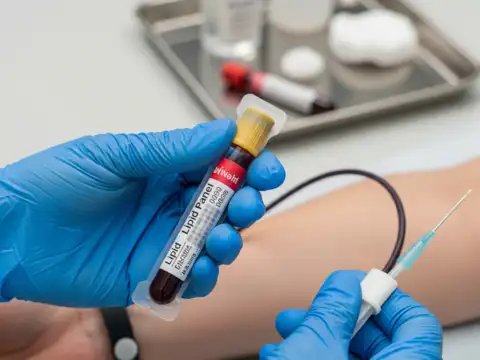
Lipid profile
A lipid panel tracks your “good” and “bad” cholesterol and triglycerides. Experts recommend starting in your 20s, repeated every few years, or sooner if you’re at higher risk.
Amazon Top Deals
POWERED BY

Crompton Ozone 75 Litres Desert Air Cooler for home | Large & Easy Clean Ice Chamber | 4-Way Air Deflection | High Density Honeycomb Pads | Everlast Pump | Auto Fill| 3 Year Brand Warranty
₹9,798Buy Now43%
OFF

LG 32 L Convection Microwave Oven (MC3286BRUM, Black, 360° Motorised Rotisserie for Bar-be-queing, 301 Auto Cook Menu, Stainless steel cavity, Indian Cuisine, Tandoor Se, Steam Clean & Diet Fry)
₹19,340Buy Now19%
OFF
4/10
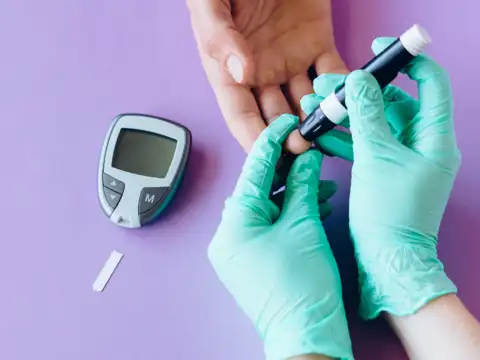
Blood glucose screening
Screen for diabetes or prediabetes, important contributors to heart disease. Recommended beginning around age 45, but begin earlier if you're overweight or have a family history.
5/10
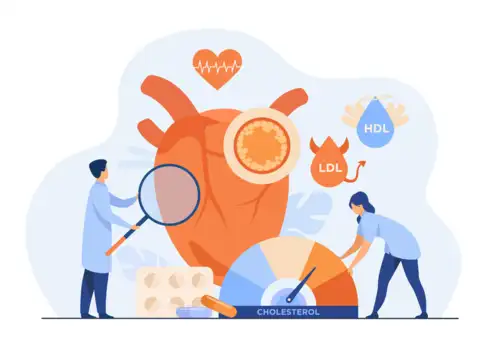
Risk calculator
Early risk awareness is key. Tools like the Framingham or PREVENT™ calculators use factors like age, BP, cholesterol, smoking, and diabetes to estimate your 10-year heart disease risk.

6/10
Coronary artery calcium (CAC) Scan
This CT-based scan uncovers hidden plaque in coronary arteries. Ideal for those over 40-50 with risk factors, CAC highlights silent threats before symptoms appear.
7/10
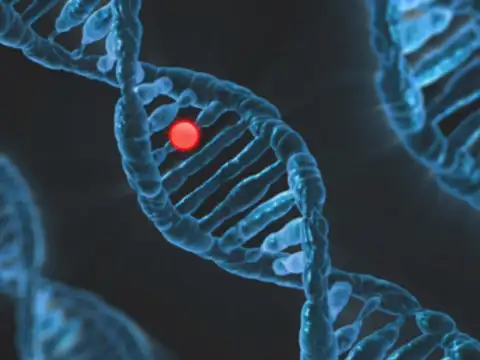
Inflammatory & genetic markers
These blood tests indicate inflammation and predisposition to high cholesterol. Early detection helps guide personalized prevention, even when standard lipids look normal.

8/10
Neck circumference
A growing body of research shows that measuring neck circumference, a quick, non-invasive check, can signal cardiometabolic risk, making it a useful early warning tool.
9/10
Advanced markers
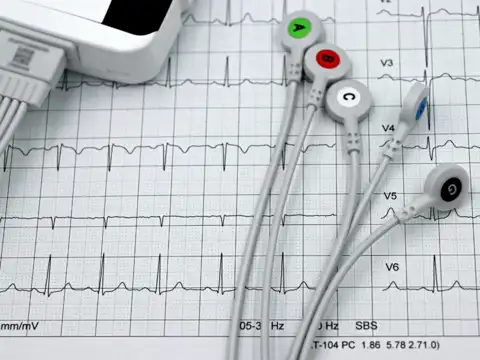
For those with existing symptoms or elevated risk, advanced tests like ECGs (for heart rhythm), CIMT (artery thickness), or UACR (kidney stress) provide deeper insight into cardiovascular and systemic health.

10/10
Final Takeaway
Early screening = lifesaving insight. From blood pressure to calcium scans, each test gives a clearer picture of your heart’s health. Know your timeline, stay proactive, and prevent heart disease before it starts. Consult your doctor for a plan suited to your age and risk.