
8 dehydration red flags you should never ignore

1/8
Dehydration Affects More Than Thirst
Feeling off, tired, or unfocused? Dehydration isn’t always obvious. Even mild fluid loss can impact your energy, mood, and brain function. Recognizing the signs early is key to regaining balance.

2/8
Dry Mouth & Infrequent Urination
A sticky or dry mouth and peeing fewer than four times a day are classic clues your body needs more fluids. Don’t ignore these subtle warnings.

3/8
Fatigue, Headaches & Dizziness
Dehydration can result in tiredness, throbbing headaches, and lightheadedness—even before you feel thirsty. These symptoms are your body’s plea for more fluids.
Amazon Top Deals
POWERED BY

4/8
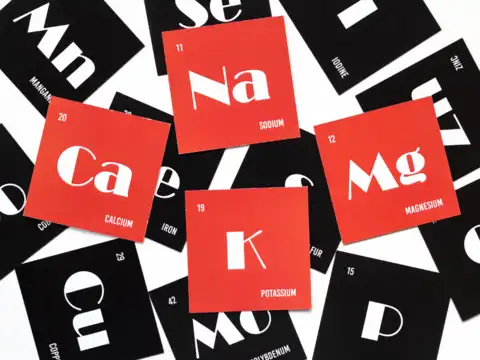
Electrolyte Imbalance
Sweating, illness, or poor dietary intake can deplete vital electrolytes like sodium and potassium. Replacing them helps your body retain water and stay hydrated.

5/8
Not Just Water: Hydrating Foods Matter
Including water-rich foods—like cucumbers, watermelon, and lettuce—helps maintain hydration and supports fluid intake in a palatable way.

6/8
Drink Smart, Not Just Often
While water’s essential, beverages like milk, tea, and orange juice can be equally or more hydrating, thanks to their nutrient content and retention benefits.

7/8
Beware of Dehydrating Habits
Sleep deprivation, high sugar consumption, air travel, and alcohol can all contribute to fluid loss—even when you're drinking water regularly.
8/8
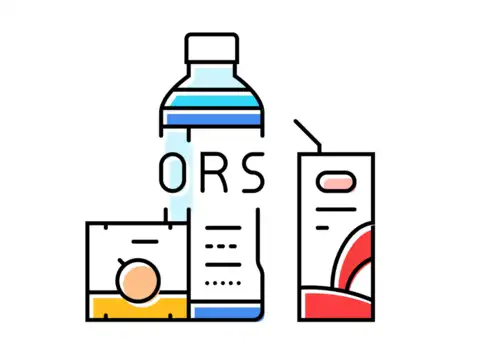
Rehydrate the Right Way
When dehydrated, water is effective—but for faster recovery, choose beverages or foods containing electrolytes. For severe dehydration, medical solutions like ORS may be necessary.