72 pc districts exposed to extreme floods, only 25 pc of them have early warning systems: report
A report by The Council on Energy Environment and Water reveals that although 72% of districts in India are exposed to extreme flood events, only 25% of them have flood forecasting stations. Assam, Bihar, Uttar Pradesh, Odisha, and Sikkim perform ...
By PTI | Updated:

IANS
An estimated 72 per cent of districts in India are exposed to extreme flood events but only 25 per cent of them have level flood forecasting stations, or early warning systems, a new report said on Thursday. Despite high exposure to floods, Assam, Bihar, Uttar Pradesh, Odisha, and Sikkim are the best-performing states in terms of flood early warning systems (EWS), according to the report by independent policy research think tank The Council on Energy Environment and Water (CEEW).
The report showed that Himachal Pradesh, currently battling massive floods, is among the states with the lowest availability of EWS. Uttarakhand, on the other hand, is moderately exposed to extreme flood events but has a high availability of flood EWS, it said.
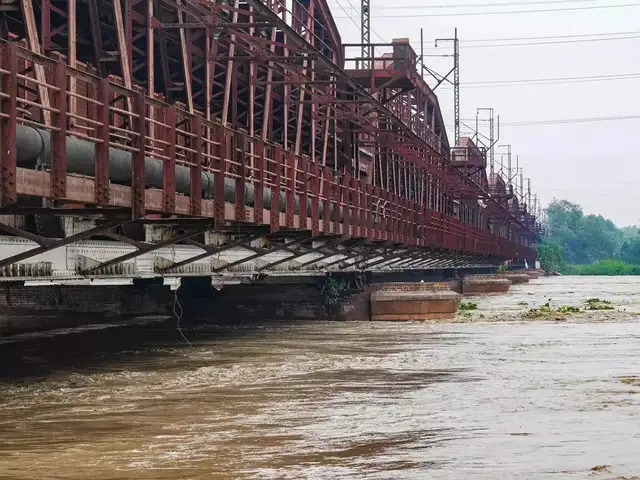
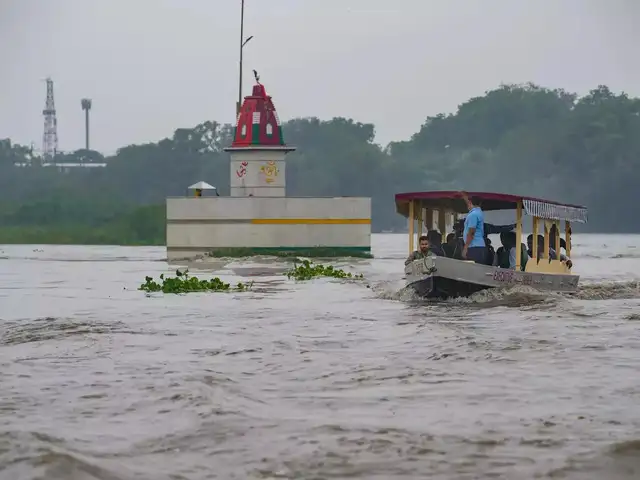
Delhi, in the throes of severe flooding due to a raging Yamuna, is moderately exposed to extreme floods and has a moderate level of resilience through EWS.
Approximately 66 per cent of individuals in India are exposed to extreme flood events; however, only 33 per cent of them are covered by flood EWS. Moreover, 25 per cent of the Indian population is exposed to cyclones and their impacts, but cyclone warnings are available to 100 per cent of the exposed population, the report said.
States such as Andhra Pradesh, Odisha, Goa, Karnataka, Kerala, and West Bengal are at the forefront of building resilience by establishing cyclone EWS.
"The district-level analysis revealed that while 72 per cent of districts in India are exposed to extreme flood events, merely 25 per cent of these exposed districts have level flood forecasting stations. This means that two-thirds of individuals in India are exposed to extreme flood events, and only one-third of them have flood EWS," the report said.
According to the CEEW, 12 states -- Uttar Pradesh, Himachal Pradesh, Assam, Jharkhand, Odisha, West Bengal, Andhra Pradesh, Telangana, Tamil Nadu, Karnataka, Goa, Bihar -- are highly exposed to extreme flood events. However, only three -- Uttar Pradesh, Assam and Bihar -- have a high availability of flood early warning systems.
Odisha has moderate EWS availability and the rest low availability, indicating a gap in the planning for installing flood monitoring and forecasting stations, the report said.
Sikkim, Uttarakhand, Arunachal Pradesh, Kerala, Maharashtra, Tripura, Mizoram, Nagaland, Rajasthan, Madhya Pradesh, Gujarat, Delhi, Jammu and Kashmir and Haryana are moderately exposed to extreme floods.
While Sikkim, Uttarakhand, Arunachal Pradesh, Kerala, Maharashtra, Tripura have a high availability of flood early warning systems, the rest have a moderate resilience through flood EWS.
States such as Tamil Nadu, Himachal Pradesh, Karnataka, and Telangana have the lowest availability of flood EWS.
Research shows that 97.51 million people in India are exposed to extreme flood events, and most districts are exposed to more than one extreme event, highlighting the importance of making EWS available to all in the country, especially in the states and districts most exposed to its impacts, the report said.
It said that more than 88 per cent of the Indian states exposed to floods and 100 per cent of the states exposed to extreme cyclone events have a high teledensity ratio, which means to access early warnings through telecommunications.
The recent floods in India and Cyclone Biparjoy have once again shown the importance of investing in early warning systems, said Dr Vishwas Chitale, senior programme lead, CEEW.
"The country is rapidly expanding its early warning coverage by embracing transformative technologies. However, as we witness swapping patterns in the climatic extremes in the country, where previously drought-prone areas are now facing floods, all states need to ramp up their early warning systems to safeguard lives and livelihoods," he said.
According to him, states should leverage state-of-the-art technologies to build inclusive, impact-based multi-hazard early warning systems that involve the local communities for last-mile connectivity.
"Intensifying adaptation finance for enhancing disaster preparedness is the need of the hour," he said.
A CEEW study released in 2021 found that 27 of 35 Indian states and union territories (UTs) are vulnerable to extreme hydro-met disasters and their compounding impacts. Eighty per cent of India's population resides in these vulnerable regions.
However, India has been taking steps to build its resilience to the impacts of such extreme events by increasing preparedness and investing in EWS. These systems are being deployed throughout the world as essential instruments for disaster risk reduction.
At the 2022 UN climate summit in Egypt, UN Secretary-General Antonio Guterres unveiled an Executive Action Plan to provide "Early Warnings for All", saying that "one out of three persons globally, primarily in Small Island Developing States (SIDS) and Least Developed Countries (LDCs), lack access to effective early warning systems". This plan requires an investment of USD 3.1 billion from 2023 to 2027 to make EWS available to everyone across the globe.
Incessant, heavy rain wrought massive damage in several parts of north India over the last few days.
Due to a rare interaction of a western disturbance, monsoonal winds and a cyclonic circulation, heavy to extremely heavy rainfall in Himachal Pradesh over the weekend caused flooding and landslides in the hilly terrain.
The gushing water swept away bridges, homes and cars, and caused widespread devastation in the state.
Neighbouring Uttarakhand also saw a similar situation with water levels of several rivers crossing the danger mark.
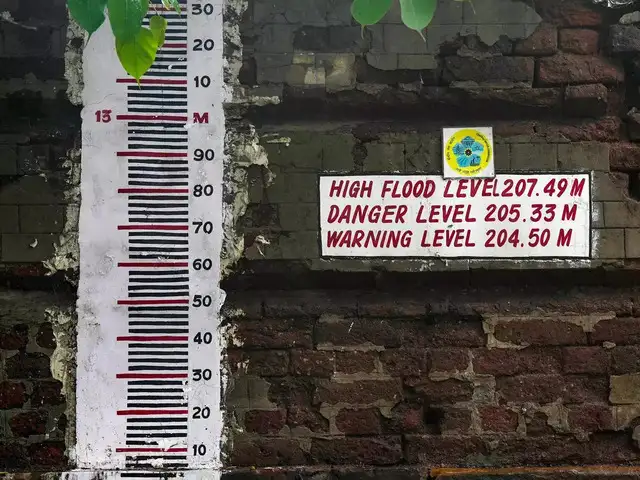
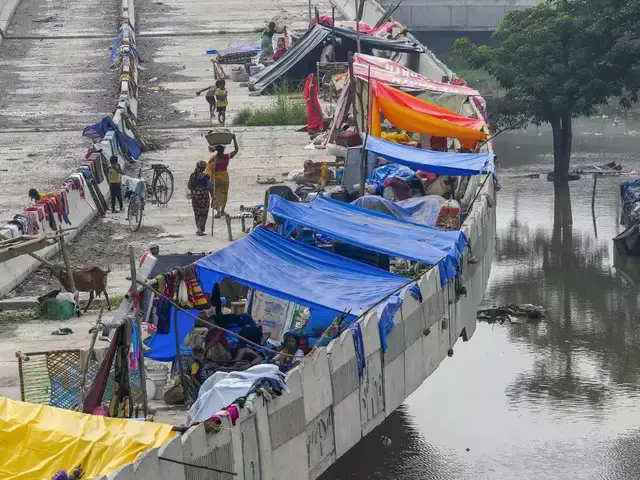
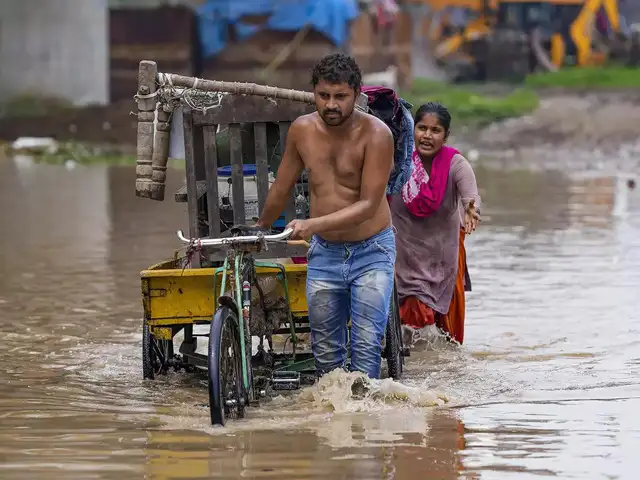
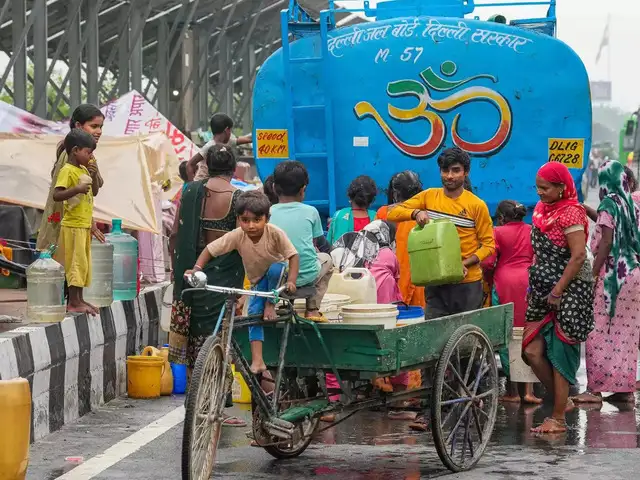
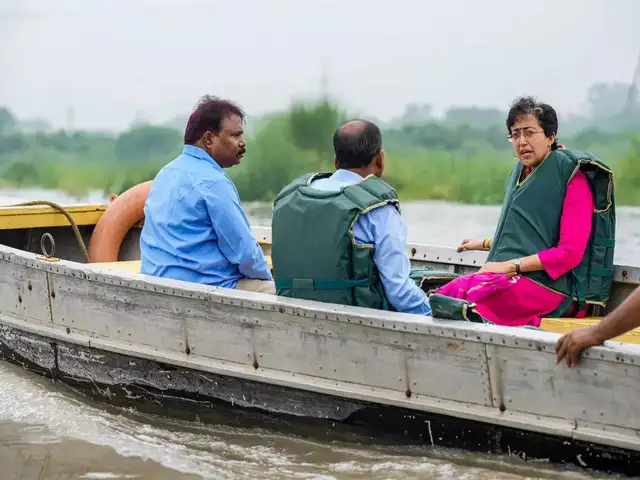
In Delhi, the Yamuna swelled to 208.62 metres, surpassing the previous all-time record of 207.49 metres set 45 years ago. The raging river inundated nearby streets, impacted public and private infrastructure, road and rail traffic and caused immense hardships to people living in close proximity to the river.
Curbs have also been placed for the entry of vehicles into the national capital.
The report showed that Himachal Pradesh, currently battling massive floods, is among the states with the lowest availability of EWS. Uttarakhand, on the other hand, is moderately exposed to extreme flood events but has a high availability of flood EWS, it said.
Delhi, in the throes of severe flooding due to a raging Yamuna, is moderately exposed to extreme floods and has a moderate level of resilience through EWS.
Approximately 66 per cent of individuals in India are exposed to extreme flood events; however, only 33 per cent of them are covered by flood EWS. Moreover, 25 per cent of the Indian population is exposed to cyclones and their impacts, but cyclone warnings are available to 100 per cent of the exposed population, the report said.
States such as Andhra Pradesh, Odisha, Goa, Karnataka, Kerala, and West Bengal are at the forefront of building resilience by establishing cyclone EWS.
"The district-level analysis revealed that while 72 per cent of districts in India are exposed to extreme flood events, merely 25 per cent of these exposed districts have level flood forecasting stations. This means that two-thirds of individuals in India are exposed to extreme flood events, and only one-third of them have flood EWS," the report said.
ADVERTISEMENT
According to the CEEW, 12 states -- Uttar Pradesh, Himachal Pradesh, Assam, Jharkhand, Odisha, West Bengal, Andhra Pradesh, Telangana, Tamil Nadu, Karnataka, Goa, Bihar -- are highly exposed to extreme flood events. However, only three -- Uttar Pradesh, Assam and Bihar -- have a high availability of flood early warning systems.
Odisha has moderate EWS availability and the rest low availability, indicating a gap in the planning for installing flood monitoring and forecasting stations, the report said.
Sikkim, Uttarakhand, Arunachal Pradesh, Kerala, Maharashtra, Tripura, Mizoram, Nagaland, Rajasthan, Madhya Pradesh, Gujarat, Delhi, Jammu and Kashmir and Haryana are moderately exposed to extreme floods.
While Sikkim, Uttarakhand, Arunachal Pradesh, Kerala, Maharashtra, Tripura have a high availability of flood early warning systems, the rest have a moderate resilience through flood EWS.
ADVERTISEMENT
States such as Tamil Nadu, Himachal Pradesh, Karnataka, and Telangana have the lowest availability of flood EWS.
Research shows that 97.51 million people in India are exposed to extreme flood events, and most districts are exposed to more than one extreme event, highlighting the importance of making EWS available to all in the country, especially in the states and districts most exposed to its impacts, the report said.
ADVERTISEMENT
It said that more than 88 per cent of the Indian states exposed to floods and 100 per cent of the states exposed to extreme cyclone events have a high teledensity ratio, which means to access early warnings through telecommunications.
The recent floods in India and Cyclone Biparjoy have once again shown the importance of investing in early warning systems, said Dr Vishwas Chitale, senior programme lead, CEEW.
"The country is rapidly expanding its early warning coverage by embracing transformative technologies. However, as we witness swapping patterns in the climatic extremes in the country, where previously drought-prone areas are now facing floods, all states need to ramp up their early warning systems to safeguard lives and livelihoods," he said.
According to him, states should leverage state-of-the-art technologies to build inclusive, impact-based multi-hazard early warning systems that involve the local communities for last-mile connectivity.
"Intensifying adaptation finance for enhancing disaster preparedness is the need of the hour," he said.
A CEEW study released in 2021 found that 27 of 35 Indian states and union territories (UTs) are vulnerable to extreme hydro-met disasters and their compounding impacts. Eighty per cent of India's population resides in these vulnerable regions.
However, India has been taking steps to build its resilience to the impacts of such extreme events by increasing preparedness and investing in EWS. These systems are being deployed throughout the world as essential instruments for disaster risk reduction.
At the 2022 UN climate summit in Egypt, UN Secretary-General Antonio Guterres unveiled an Executive Action Plan to provide "Early Warnings for All", saying that "one out of three persons globally, primarily in Small Island Developing States (SIDS) and Least Developed Countries (LDCs), lack access to effective early warning systems". This plan requires an investment of USD 3.1 billion from 2023 to 2027 to make EWS available to everyone across the globe.
Incessant, heavy rain wrought massive damage in several parts of north India over the last few days.
Due to a rare interaction of a western disturbance, monsoonal winds and a cyclonic circulation, heavy to extremely heavy rainfall in Himachal Pradesh over the weekend caused flooding and landslides in the hilly terrain.
The gushing water swept away bridges, homes and cars, and caused widespread devastation in the state.
Neighbouring Uttarakhand also saw a similar situation with water levels of several rivers crossing the danger mark.
In Delhi, the Yamuna swelled to 208.62 metres, surpassing the previous all-time record of 207.49 metres set 45 years ago. The raging river inundated nearby streets, impacted public and private infrastructure, road and rail traffic and caused immense hardships to people living in close proximity to the river.
Curbs have also been placed for the entry of vehicles into the national capital.
The Yamuna river in Delhi swelled to the highest recorded level in 10 years on July 11 and is expected to rise further.

Download
The Economic Times Business News App for the Latest News in Business, Sensex, Stock Market Updates & More.
The Economic Times Business News App for the Latest News in Business, Sensex, Stock Market Updates & More.
Download
The Economic Times News App for Quarterly Results, Latest News in ITR, Business, Share Market, Live Sensex News & More.
The Economic Times News App for Quarterly Results, Latest News in ITR, Business, Share Market, Live Sensex News & More.
ADVERTISEMENT


