
7 ways to reuse onion peels
1/7
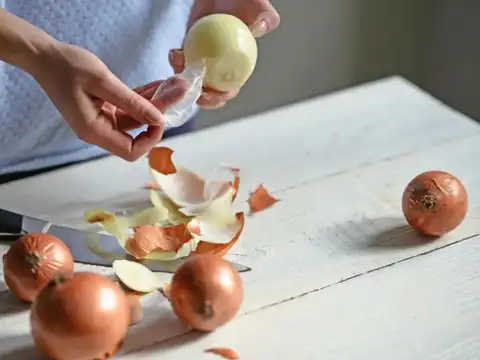
Make A Natural Fertiliser For Plants
Instead of throwing onion peels away, soak them in water overnight and use the liquid to water your plants. Many home gardeners use onion peel water as a natural boost for flowering and leafy plants.
It's an easy, no-cost way to recycle kitchen waste while helping your garden thrive.
It's an easy, no-cost way to recycle kitchen waste while helping your garden thrive.
2/7
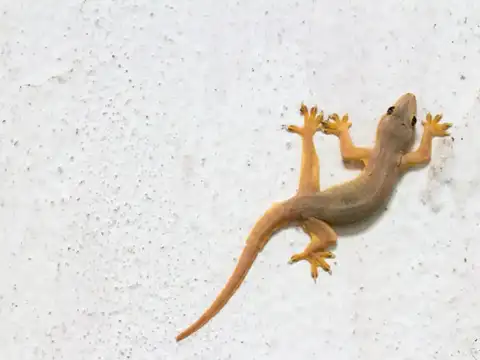
Use Them To Repel Garden Pests
Onion peels have a strong smell that many insects dislike. Scatter dried peels around vegetable plants or garden beds to help discourage common pests.
This simple trick is popular among Indian home gardeners looking to reduce chemical use.
This simple trick is popular among Indian home gardeners looking to reduce chemical use.
3/7
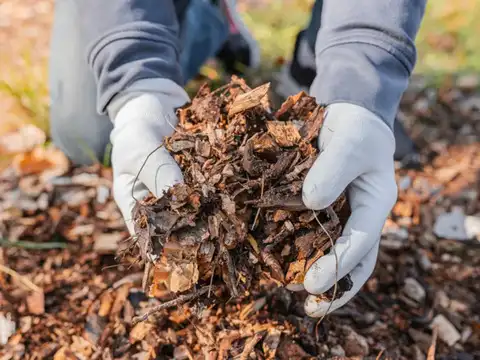
Add Them To Compost For Richer Soil
Onion peels break down easily and add valuable organic matter to compost piles. Instead of filling your dustbin, they can help create nutrient-rich compost for your garden.
It's one of the easiest ways to reduce kitchen waste at home.
It's one of the easiest ways to reduce kitchen waste at home.
Amazon Top Deals
POWERED BY

Crompton Ozone 75 Litres Desert Air Cooler for home | Large & Easy Clean Ice Chamber | 4-Way Air Deflection | High Density Honeycomb Pads | Everlast Pump | Auto Fill| 3 Year Brand Warranty
₹9,798Buy Now43%
OFF

LG 32 L Convection Microwave Oven (MC3286BRUM, Black, 360° Motorised Rotisserie for Bar-be-queing, 301 Auto Cook Menu, Stainless steel cavity, Indian Cuisine, Tandoor Se, Steam Clean & Diet Fry)
₹19,340Buy Now19%
OFF
4/7
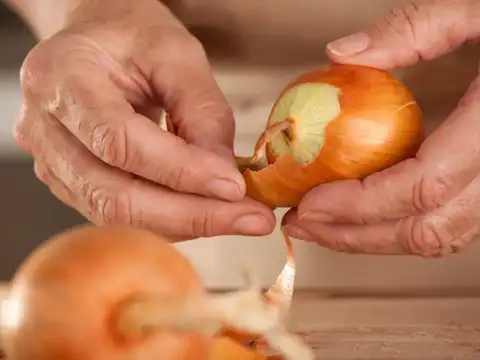
Make A Natural Dye For Fabric And Eggs
The outer brown layers of onions can produce beautiful golden and earthy shades. People have long used onion peels as a natural dye for fabrics, craft projects, and decorative eggs.
It's an eco-friendly alternative to artificial colours.
It's an eco-friendly alternative to artificial colours.

5/7
Use Them To Add Colour To Homemade Stock
Many cooks save vegetable scraps, including onion peels, when making homemade stock. The peels can add a rich golden colour to soups and broths.
Just strain them out before serving.
Just strain them out before serving.

6/7
Create A DIY Potpourri Mix
Dried onion peels can be mixed with dried flowers, citrus peels, and spices for rustic craft projects or decorative potpourri displays.
They add texture and help reduce unnecessary waste from the kitchen.
They add texture and help reduce unnecessary waste from the kitchen.
7/7
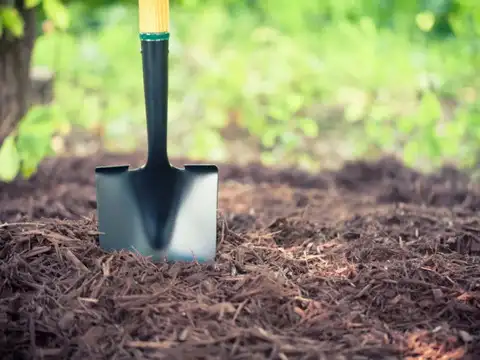
Use As Mulch Around Plants
Crushed onion peels can be spread around plants as a light mulch layer. They help retain moisture, suppress some weeds, and slowly break down into the soil.
It's a practical way to put kitchen scraps to work in your garden.
(Disclaimer: This story is for educational purposes alone and should not be considered as professional medical advice and does not substitute any medical advice.)
It's a practical way to put kitchen scraps to work in your garden.
(Disclaimer: This story is for educational purposes alone and should not be considered as professional medical advice and does not substitute any medical advice.)