
7 ways beetroot helps lower blood pressure naturally
1/7
Rich in Dietary Nitrates
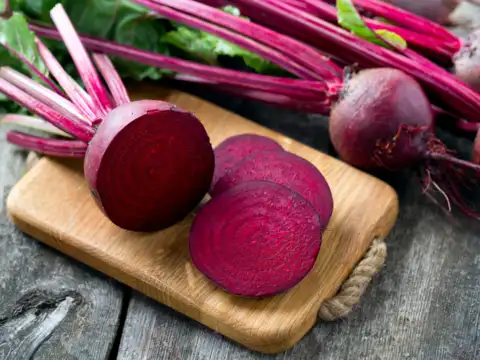
Beetroot is naturally high in nitrates, which the body converts to nitric oxide—a compound that relaxes blood vessels and improves blood flow, leading to a natural drop in blood pressure.

2/7
Improves Vascular Function
Regular beetroot intake enhances endothelial function, helping arteries stay flexible and less prone to stiffness. This promotes healthy circulation and reduces hypertension risk, especially in older adults.

3/7
Acts as a Natural Vasodilator
Beetroot dilates blood vessels naturally, making it easier for the heart to pump blood. This lowers both systolic and diastolic pressure, particularly within a few hours of consumption.
Amazon Top Deals
POWERED BY


4/7
Lowers Inflammation
Its high antioxidant content, especially betalains, reduces inflammation in blood vessels, improving overall cardiovascular health and further supporting long-term blood pressure control.

5/7
Boosts Nitric Oxide Production
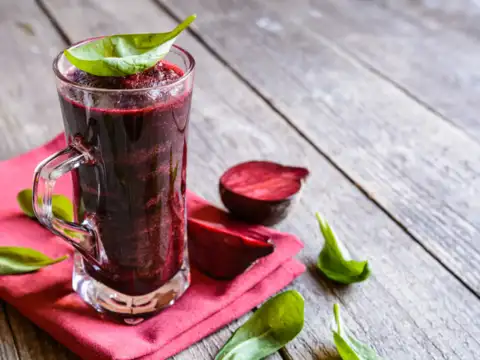
Nitric oxide widens arteries, increases oxygen flow, and helps lower blood pressure levels. Drinking beetroot juice regularly keeps nitric oxide levels consistently elevated.
6/7
Supports Kidney Function
Healthy kidneys play a key role in maintaining blood pressure. Beetroot supports kidney detoxification and blood filtration, which contributes to balanced fluid and sodium levels in the body.

7/7
Helps Manage Weight and Cholesterol
Beetroot is low in calories, high in fiber, and helps reduce bad cholesterol. Managing weight and cholesterol indirectly reduces pressure on your cardiovascular system and helps stabilize BP.