
7 vitamin c-rich foods for clearer, brighter skin

1/8
Edible Skincare
Clear, luminous skin is rarely the result of topicals alone; it begins with the nutrients that fuel cellular repair from within. Vitamin C is essential for synthesizing collagen and stabilizing the skin’s barrier against environmental damage. By incorporating these seven potent sources into your daily diet, you provide your body with the raw materials needed to fade hyperpigmentation, smooth fine lines, and maintain a vibrant, healthy glow throughout the seasons.

2/8
Kakadu Plum — The Global Gold Standard
Hailing from Australia but widely available in premium health circles in 2026, the Kakadu Plum contains the highest recorded natural concentration of Vitamin C in the world. With up to 100 times more Vitamin C than an orange, it provides a massive surge of antioxidants that directly combat oxidative stress. Including this superfruit in your morning smoothie helps brighten the skin tone and accelerate the healing of post-acne marks.

3/8
Acerola Cherries — The Red Radiance Booster
Acerola cherries are a concentrated source of Vitamin C that specifically targets skin elasticity and firmness. These tart berries are packed with phytonutrients like anthocyanins, which work synergistically with Vitamin C to protect skin cells from premature aging. Regular consumption helps maintain the skin's "bounce" and reduces the dullness often associated with fatigue and urban living, making it a favorite for those seeking a natural lift.
Amazon Top Deals
POWERED BY


4/8
Rose Hips — The Ancient Skin Elixir
The fruit of the rose plant, known as rose hips, has been used for centuries to treat skin ailments and is now a staple in 2026 beauty diets. Beyond their exceptionally high Vitamin C content, they are rich in Vitamin A and essential fatty acids. This unique combination helps regenerate skin tissue and improve the appearance of scars and stretch marks, providing a smooth, even texture that feels deeply nourished.

5/8
Blackcurrants — The Deep Purple Protector
Blackcurrants offer a dual-action benefit for the skin by providing high levels of Vitamin C alongside rare Omega-6 fatty acids. These nutrients strengthen the skin’s lipid barrier, preventing moisture loss and protecting against the "digital aging" caused by prolonged screen exposure. Adding these dark berries to your diet ensures your skin remains hydrated and resilient, even in the driest indoor environments or polluted metropolitan areas.
6/8
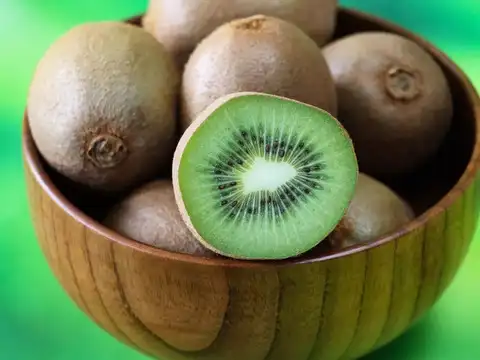
Kiwi — The Enzyme-Rich Glow Maker
Kiwi is a skincare superstar because it combines a high dose of Vitamin C with actinidin, a natural enzyme that aids protein digestion. Proper protein breakdown is crucial for the amino acids that build skin structure. By improving digestion and providing a direct antioxidant hit, kiwi helps clear up skin congestion and promotes a translucent, "glass-skin" effect that looks healthy and well-rested.

7/8
Papaya — The Tropical Skin Refiner
Papaya is more than just a tropical treat; it contains the enzyme papain, which, when paired with its high Vitamin C levels, works to dissolve dead skin cells internally. This process prevents clogged pores and reduces the frequency of breakouts. The high water content in papaya also ensures your skin stays plump, while its vitamins work to lighten dark spots and give the face a naturally sun-kissed, vibrant appearance.
8/8
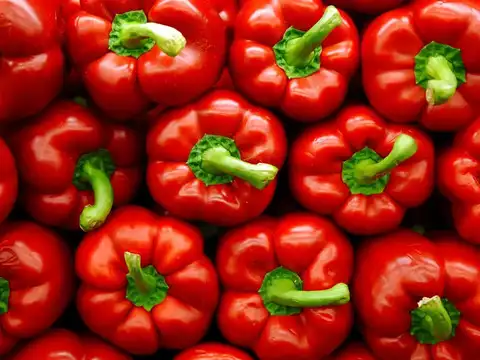
Red Bell Peppers — The Crunchy Collagen Source
Often overlooked in beauty routines, Red Bell Peppers contain nearly three times the Vitamin C of a typical orange. They are also rich in carotenoids, which act as a secondary defense against UV-induced skin damage. Consuming them raw or lightly steamed preserves their heat-sensitive vitamins, helping to maintain the skin’s integrity and preventing the breakdown of collagen that leads to sagging and fine lines.
(Disclaimer: This story is for educational purposes alone and should not be considered as professional medical advice and does not substitute any medical advice.)
(Disclaimer: This story is for educational purposes alone and should not be considered as professional medical advice and does not substitute any medical advice.)