
7 aluminium foil tricks to stop car keys from signal theft
1/8
Aluminium Foil Tricks To Protect Car Keys From Signal Theft
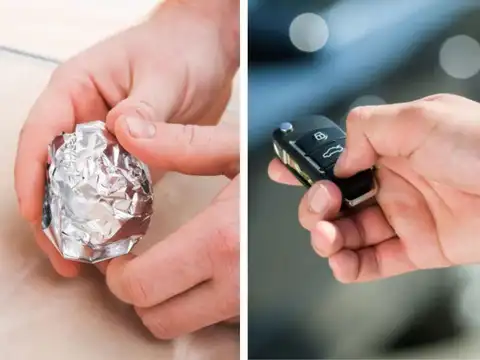
Modern car key fobs broadcast a radio signal constantly, even sitting on your kitchen counter. Thieves use cheap relay devices to amplify that signal and unlock your car without touching a thing. Here is what you can actually do about it using something you already have at home.
2/8
Understand What You Are Actually Fighting
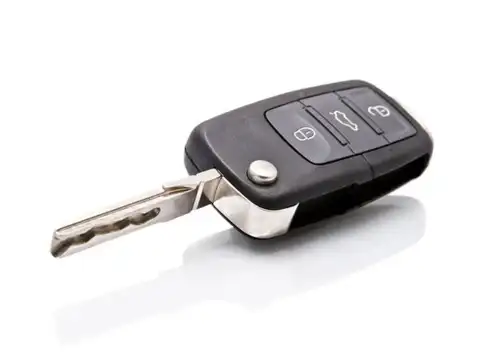
This is not regular theft. Relay attacks work by two thieves using signal amplifiers to stretch your key fob's range until the car thinks you are standing right next to it. Researchers at ETH Zurich demonstrated relay attacks on 10 car models from 8 manufacturers, unlocking them from up to 50 metres away. Aluminium foil is your first line of defence.
3/8
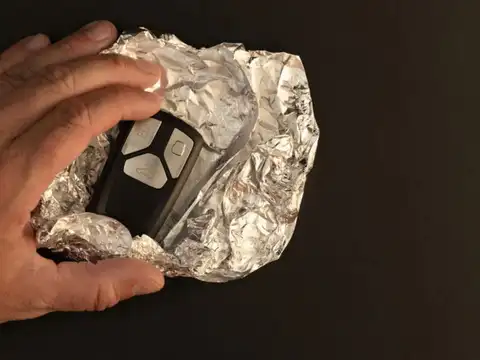
Wrap The Key Fob In Multiple Layers Of Foil
A single layer is not enough. Wrap the fob in two to three tight layers of aluminium foil with no gaps or tears, covering every side completely. This creates a basic Faraday cage that blocks the radio signal from leaking out. The US Patent Office's documentation on relay attack prevention confirms that placing a key in a metal enclosure blocks the signal effectively.
Amazon Top Deals
POWERED BY
4/8
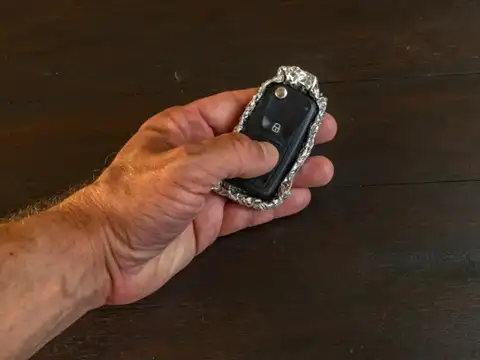
Keep The Foil Tight And Wrinkle-Free
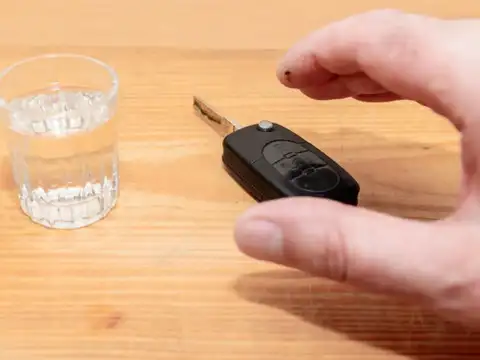
Loose wrapping defeats the purpose. Any gap, fold, or tear becomes a point where the signal escapes. Wrap it the way you would wrap a delicate item for storage, firm and flat on all sides. Test it after wrapping by standing next to your car and checking if the door unlocks. If it does not, the foil is working.
5/8
Store Keys Away From Exterior Walls And Windows At Night
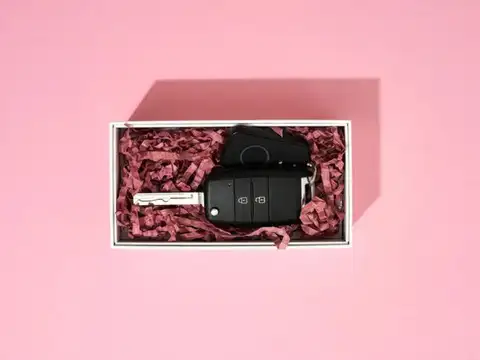
Most relay thefts happen at night when keys are resting near the front door or a window. Even with foil wrapping, storing keys deep inside the house, away from exterior walls, reduces the chance of signal leakage. Germany's ADAC club tested 237 keyless cars and found 230 of them could be unlocked via relay attack. Distance from the car matters too.
6/8
Use A Metal Container Or Tin Box Along With Foil
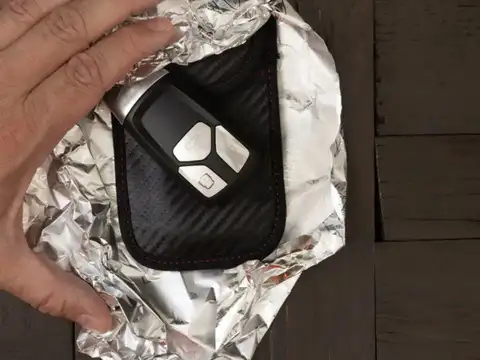
Foil alone works but wears out fast. Storing the foil-wrapped key inside a small metal tin, like an old biscuit box, adds an extra layer of shielding. The metal box reinforces the Faraday cage effect. This is especially useful if you park on the street or live in an apartment building where your car is close to the building entrance.
7/8
Replace The Foil Regularly
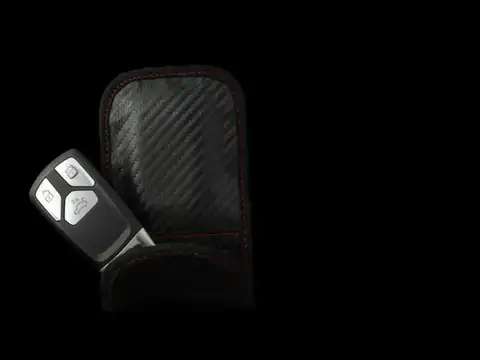
Foil degrades quickly with daily handling. Small punctures and thinning spots appear after just a few uses and reduce its shielding ability significantly. Make it a habit to rewrap the key fob every two to three days if you use it regularly. Keep a small roll of foil near where you hang your keys so it is easy to replace without thinking about it.
8/8
Treat Foil As A Stopgap, Not A Permanent Solution
Foil works in a pinch but is not foolproof. Thatcham Research, the UK's leading automotive safety authority, confirmed that over 68% of pre-2023 vehicles remain vulnerable to relay theft. For daily use, a proper Faraday pouch or signal-blocking key box is more reliable. Foil is a smart temporary fix, but investing in a dedicated RFID-blocking pouch is worth it for regular protection.
(Disclaimer: This story is for educational purposes alone and should not be considered as professional advice.)
(Disclaimer: This story is for educational purposes alone and should not be considered as professional advice.)