
7 smells that can keep snakes away from home naturally
1/7
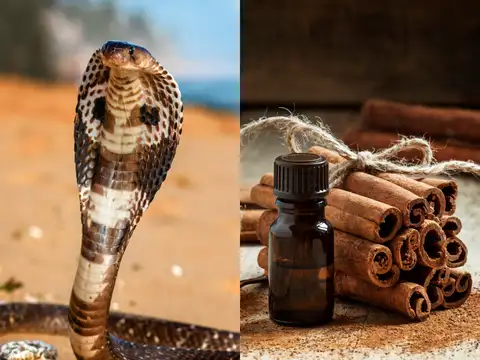
Cinnamon Oil
This is the most research-backed option on this list. The USDA's Animal and Plant Health Inspection Service (APHIS) officially recommends cinnamon oil as a snake repellent, noting that snakes retreat when directly exposed to it. Spray it along entry points, garden edges, or areas where snakes have been spotted.
2/7
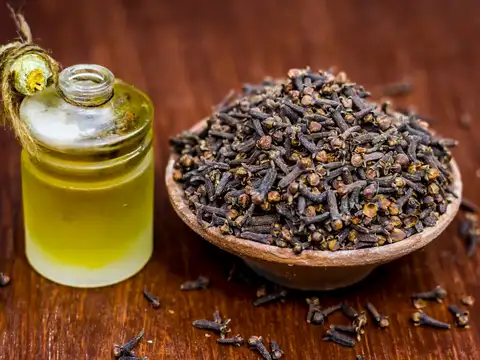
Clove Oil
Clove oil works through the same mechanism as cinnamon oil, and the two are often used together for stronger effect. The USDA's APHIS lists clove oil among the only officially recommended natural snake repellents, and research confirms snakes actively exit spaces where it is applied.
3/7
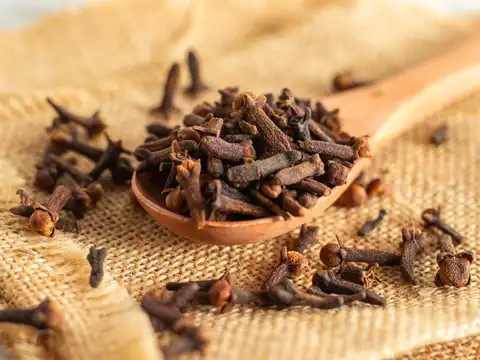
Eugenol (The Active Compound In Cloves)
Eugenol is the chemical that makes clove oil effective. It is listed in a US Department of Agriculture-backed patent as one of the key compounds proven to repel snakes. Even on its own, eugenol disrupts a snake's chemosensory system enough to trigger avoidance behaviour.
Amazon Top Deals
POWERED BY

Crompton Ozone 75 Litres Desert Air Cooler for home | Large & Easy Clean Ice Chamber | 4-Way Air Deflection | High Density Honeycomb Pads | Everlast Pump | Auto Fill| 3 Year Brand Warranty
₹9,798Buy Now43%
OFF

LG 32 L Convection Microwave Oven (MC3286BRUM, Black, 360° Motorised Rotisserie for Bar-be-queing, 301 Auto Cook Menu, Stainless steel cavity, Indian Cuisine, Tandoor Se, Steam Clean & Diet Fry)
₹19,090Buy Now20%
OFF
4/7
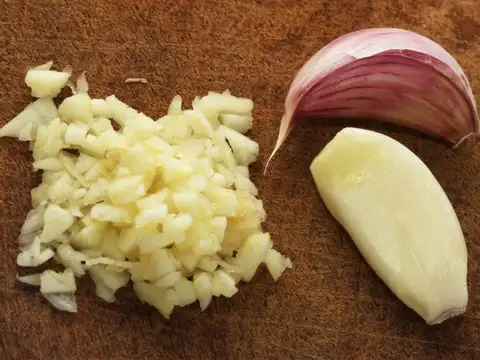
Garlic
A ScienceDirect study on natural snake repellents identifies garlic as one of the effective plant-based deterrents, with its sulphur compounds believed to overwhelm a snake's Jacobson's organ. Crush a few cloves and spread them around the perimeter of the area you want to protect. Reapply after rain.
5/7
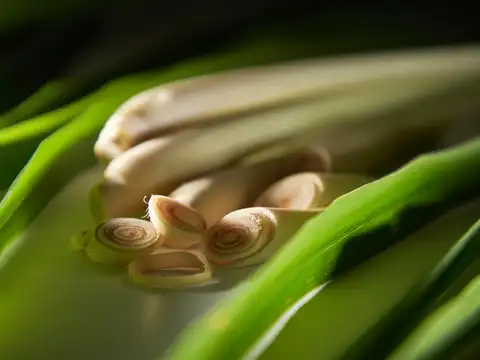
Lemongrass
Lemongrass releases citronella, a strong volatile compound that snakes find disruptive. The same ScienceDirect research on floral-waste based natural repellents lists lemongrass among the most effective plant sources for deterring snakes. Growing it along compound boundaries or doorways is a practical, low-maintenance way to use it.

6/7
Marigold
Marigold works differently from the oils above. Its strong root secretions and sharp floral scent are known to irritate snakes and also repel the small rodents that attract them in the first place. The same ScienceDirect study lists marigold among effective natural plant-based repellents used in field conditions.

7/7
Cinnamon Bark (Cinnamaldehyde)
Cinnamaldehyde is the active compound in cinnamon bark and is listed separately in the USDA-backed patent on identified snake repellents as a proven deterrent. Sprinkle cinnamon powder or place broken cinnamon sticks near entry points. It loses potency when wet, so refresh it every few days, especially during monsoon.