
7 smells that can help keep snakes away from home after heavy rains
1/7
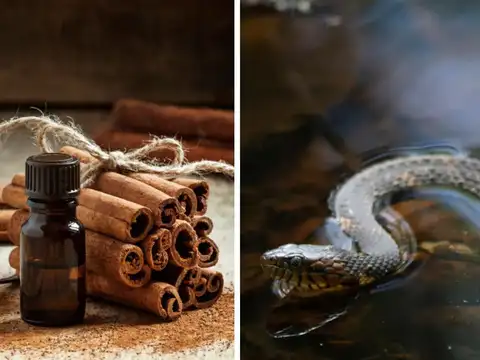
Cinnamon Oil
Cinnamon is one of the very few scents with actual scientific backing. A peer reviewed study published in Pest Management Science found that cinnamon oil was a potent irritant for brown tree snakes, triggering strong avoidance behaviour. Spray diluted cinnamon oil near entry points, windows, and drains. Keep away from pets, as it can be toxic if ingested.
2/7
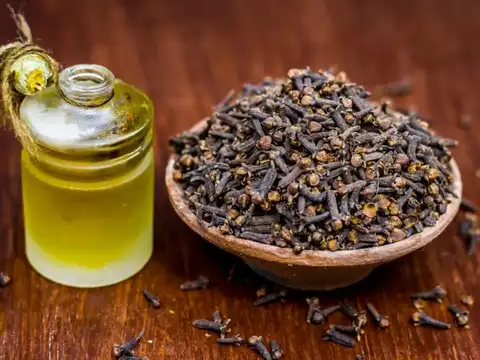
Clove Oil
Clove oil works through eugenol, its active compound, which overwhelms the snake's chemical receptors. The USDA Animal and Plant Health Inspection Service (APHIS) lists cinnamon oil, clove oil, and eugenol as the only scientifically supported snake repellents under its pest management guidelines. Mix with water and spray around the home perimeter after every spell of heavy rain.
3/7
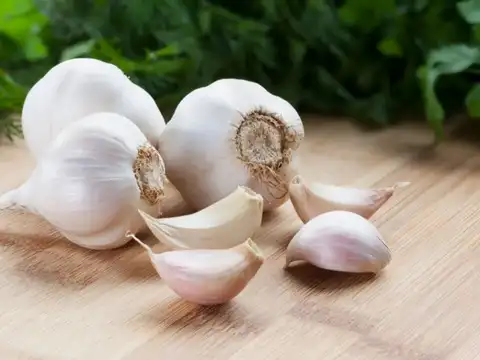
Garlic
Garlic releases allicin when crushed, a sulfur compound with a sharp, pungent smell that irritates reptile sensory organs. A ScienceDirect study from Vellore Institute of Technology lists garlic as one of the key natural substances with documented snake repellent properties, with allicin identified as the active ingredient responsible. Crush a few cloves and spread them around doorways, compound walls, and garden borders.
Amazon Top Deals
POWERED BY
4/7
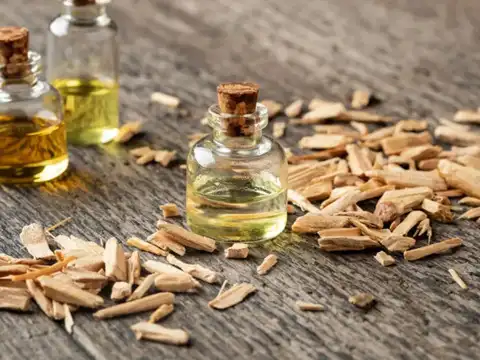
Cedarwood Oil
Cedarwood oil was tested directly on snakes in the same Pest Management Science study mentioned earlier. It was found to produce strong, sustained avoidance behaviour in snakes exposed to aerosol concentrations. Cedar wood shavings or diluted cedar oil placed near storage rooms, garages, and low gaps in walls can act as a useful barrier during the monsoon season.

5/7
Lemongrass
Lemongrass contains citronellal, the compound that gives it its sharp citrus scent. The ScienceDirect review from VIT identifies citronellal as the active ingredient in lemongrass responsible for its snake repellent properties. Planting lemongrass around the boundary of your home works well as a longer term deterrent, and the dense sharp blades also create a physical barrier snakes prefer to avoid.
6/7
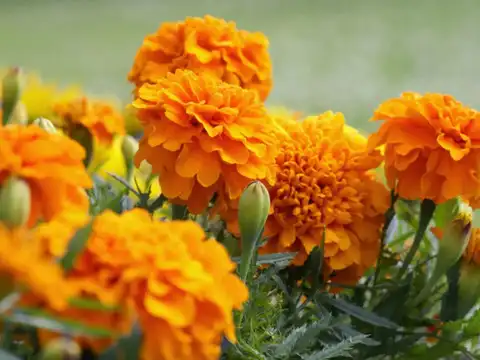
Marigold
Marigold is one of the more practical options for Indian homes because the plant is widely available, inexpensive, and already part of many household gardens. The VIT ScienceDirect study identifies pyrethrin, the active compound in marigold, as a documented snake repellent ingredient. Place pots near entry points, along compound walls, or in the garden after the rains begin.

7/7
Onion
Onion is not as well researched as cinnamon or clove, but it contains many of the same sulfur based compounds as garlic. The ResearchGate study on snake repellent plants documents both garlic and onion as traditionally and practically used repellents in communities that regularly deal with snake presence. Sliced onion or onion peel spread near drains and wall gaps is a low effort option worth adding to your routine.