
7 plant-based protein sources beyond paneer
1/7
India's Protein Renaissance
India is home to the world’s largest vegetarian population, yet many struggle to meet daily protein goals without over-relying on paneer. While paneer is nutritious, diversifying your protein intake is essential for a broader amino acid profile and better heart health. This story explores seven powerful, plant-based alternatives—from traditional dals to fermented superfoods—that are becoming the new staples of the modern Indian fitness kitchen.
2/7
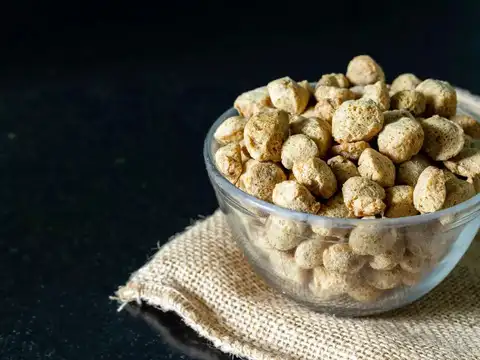
Soya Chunks — The Lean "Vegetarian Meat"
Soya chunks, often called "Nutrela" in Indian households, are a powerhouse of lean protein, containing a staggering 52 grams per 100 grams of dry weight. Unlike paneer, they are almost entirely fat-free and high in fiber and iron. Their meat-like texture makes them perfect for absorbing the flavors of spicy curries, biryanis, or tikkas, providing a satisfying, high-satiety alternative for those looking to build muscle on a budget.
3/7
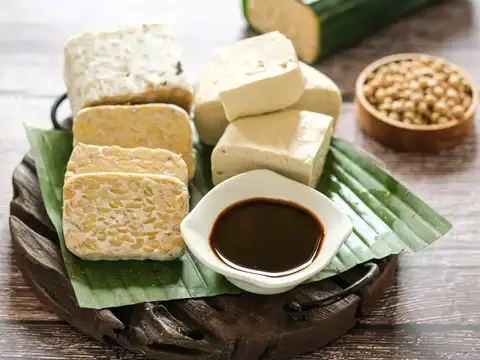
Tempeh — The Fermented Superfood
Tempeh is the rising star of 2026, a fermented soy product that offers a firm, nutty bite and about 19 grams of protein per 100 grams. Because it is fermented, it is much easier to digest than regular soy and provides natural probiotics for gut health. Tempeh holds its shape beautifully when grilled or sautéed, making it an excellent high-protein substitute in stir-fries, sandwiches, or even traditional tandoori marinades.
Amazon Top Deals
POWERED BY

4/7
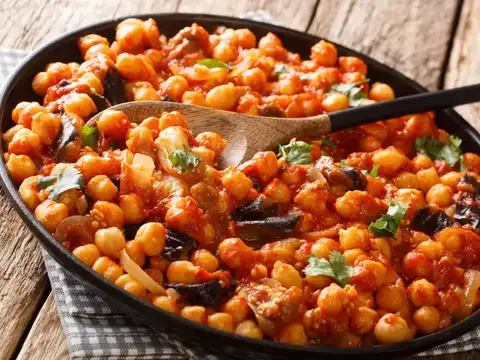
Chickpeas (Chana) — The Versatile Legume
Whether you prefer Kabuli chana or the fiber-rich Kala chana, chickpeas offer about 15 grams of protein per cooked cup. They are unique because they provide a slow-release form of energy along with significant amounts of folate and manganese. Beyond the classic Chole, modern Indian kitchens are using chickpeas for high-protein hummus, roasted crunchy snacks, and even "chana-based" gluten-free pastas.
5/7
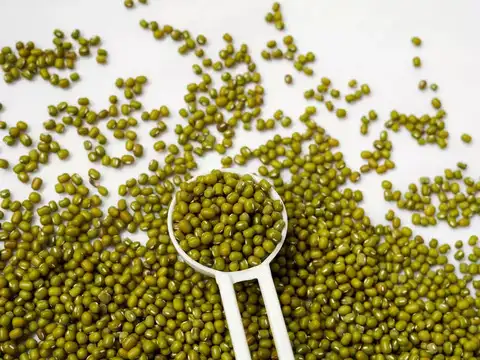
Moong Dal Sprouts — The Living Nutrient Bomb
Sprouting moong dal increases its protein bioavailability and Vitamin C content, making it a "living" superfood. A single cup of these sprouts provides about 8–9 grams of light, easily digestible protein. They are perfect for raw salads with a squeeze of lemon or lightly sautéed "pauva-style" breakfasts. For those who find traditional beans heavy, sprouts are the gentlest way to spike daily protein intake.
6/7
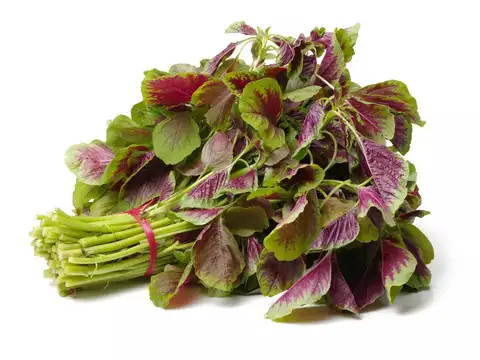
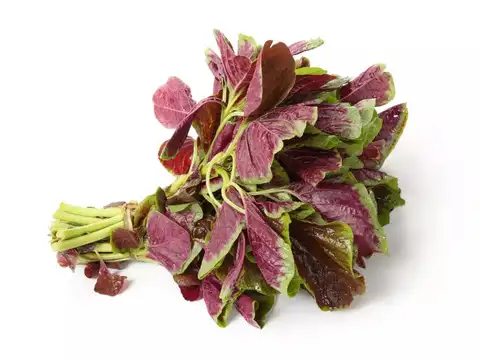
Amaranth (Rajgira) — The Ancient Complete Grain
Amaranth is one of the few plant-based sources that is a "complete" protein, meaning it contains all nine essential amino acids. Traditionally eaten during fasts in India, this ancient grain contains more protein than wheat or rice, offering about 9 grams per cooked cup. It is rich in iron and calcium, making it an ideal choice for porridges, gluten-free rotis, or even popped like popcorn for a nutritious snack.
7/7
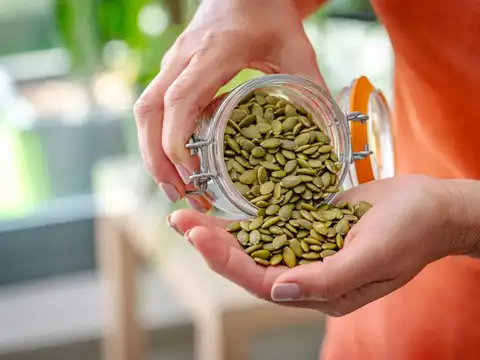
Pumpkin Seeds — The Tiny Powerhouse
Often overlooked, pumpkin seeds are a dense source of protein, providing about 7 grams per quarter cup. They are particularly rich in magnesium and zinc, which are crucial for immunity and muscle repair. In 2026, these seeds are being used as more than just a garnish; they are being ground into "seed butters," added to chapati dough, or enjoyed as a roasted, salty snack to bridge the afternoon hunger gap.
(Disclaimer: This story is for educational purposes alone and should not be considered as professional medical advice and does not substitute any medical advice.)
(Disclaimer: This story is for educational purposes alone and should not be considered as professional medical advice and does not substitute any medical advice.)
READ MORE:
Plant Based Protein Sources India 2026 |Vegetarian Protein Beyond Paneer |High Protein Soya Chunks Benefits |Tempeh in India Nutrition |Chickpea Protein Content per Cup |Amaranth Rajgira Complete Protein |Best Seeds for Protein India |Moong Dal Sprouts for Muscle Gain |Lean Protein for Indian Vegetarians |Vegan Protein Alternatives India