
7 indoor plants that may help repel rats away from home
1/7
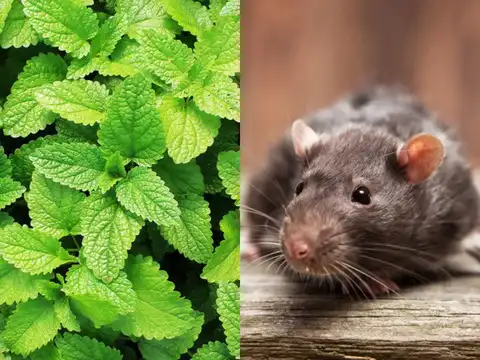
Peppermint
Peppermint's menthol content is so potent it disrupts the foraging ability of rats and makes any space feel hostile to them. Keep a pot near entry points, kitchen counters, or windows. A behavioural study published in Thai Veterinary Medicine confirmed peppermint oil significantly deters rat activity. Crush a few leaves regularly for maximum effect.

2/7
Lemongrass
Lemongrass produces citronella, a natural compound that rats find deeply unpleasant. It overwhelms their senses and blocks their ability to track food by smell. Research published in Applied Biological Research found citronella oil significantly reduced rat food consumption in treated areas. Easy to grow in pots, it also keeps mosquitoes away.

3/7
Eucalyptus
Eucalyptus is one of the more research-backed plants on this list. Its strong volatile oils interfere with a rat's sense of smell and trigger avoidance behaviour. A peer-reviewed study in The Scientific World Journal confirmed eucalyptus oil repelled house rats of both sexes in controlled trials. Keep a small pot near storage areas or kitchen corners.
Amazon Top Deals
POWERED BY

Crompton Ozone 75 Litres Desert Air Cooler for home | Large & Easy Clean Ice Chamber | 4-Way Air Deflection | High Density Honeycomb Pads | Everlast Pump | Auto Fill| 3 Year Brand Warranty
₹9,798Buy Now43%
OFF

LG 32 L Convection Microwave Oven (MC3286BRUM, Black, 360° Motorised Rotisserie for Bar-be-queing, 301 Auto Cook Menu, Stainless steel cavity, Indian Cuisine, Tandoor Se, Steam Clean & Diet Fry)
₹19,090Buy Now20%
OFF

4/7
Lavender
Lavender smells calming to us but is overwhelming for rats. Their sensitive noses cannot handle the strong linalool compounds in the plant. Chiang Mai University's Natural and Life Sciences journal lists lavender oil among phytochemicals with confirmed rodent repellent activity. Place pots near doors, windows, or anywhere you notice rat movement.

5/7
Rosemary
Rosemary has a sharp, resinous scent that rats actively avoid. It also grows as a dense bush, making it useful as a natural border near entry points or balcony gaps. The same Chiang Mai University study identifies aromatic plants in this family as carrying proven rodent-repellent compounds. An added bonus: you can use it in cooking too.

6/7
Spearmint
Spearmint works similarly to peppermint but is milder and easier to grow indoors in Indian climates. The menthol compounds in both mint varieties overwhelm a rat's olfactory receptors, making navigation and food detection difficult. The Thai Veterinary Medicine behavioural study found all mint-based oils showed significant deterrent effect on rat behaviour in open-field tests.
7/7
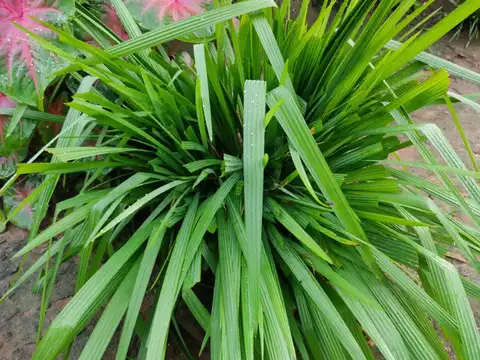
Citronella Grass
Citronella grass is closely related to lemongrass and shares the same active compound, citronellal, that rats cannot tolerate. It works both as a living plant and through its extracted oil. Applied Biological Research found daily exposure to citronella was far more effective than weekly application, so consistent presence of the plant matters.