
7 indoor plants that may help repel mosquitoes away from home
1/7
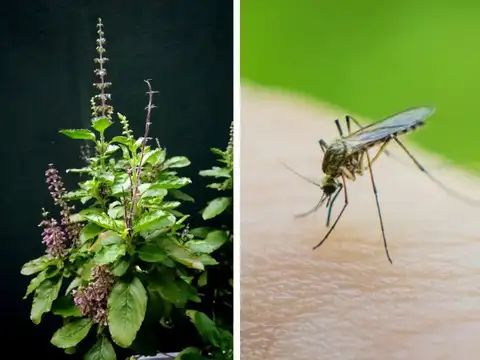
Tulsi (Holy Basil)
Tulsi is already in millions of Indian homes for religious and medicinal reasons. Turns out, it may earn its place on the windowsill for another reason too.A peer-reviewed study published in Scientific Reports found that basil essential oil showed measurable repellent activity against Aedes albopictus mosquitoes, the same species that spreads dengue. Keeping a pot near a window or entry point and occasionally brushing the leaves to release the scent may help deter mosquitoes in that area.
2/7
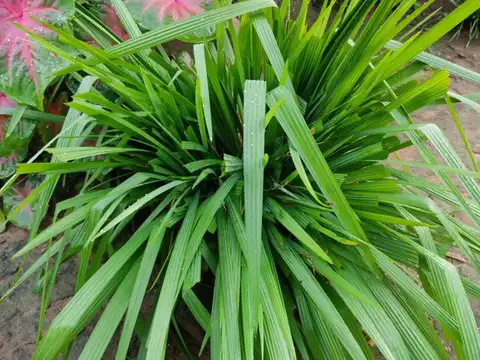
Citronella Grass
Citronella is probably the most recognised natural mosquito repellent in the world, and for good reason.Research published in Scientific Reports found citronella oil achieved up to 95.83% mosquito repellency in bioassay tests, one of the highest among 14 essential oils tested. It grows well in large pots indoors with good sunlight. Crush a leaf occasionally near doorways or open windows for the best effect.

3/7
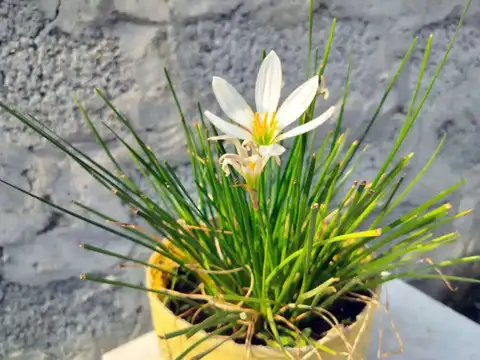
Lavender
Lavender has a scent people love and mosquitoes genuinely dislike.The active compound is linalool, and a study indexed on PubMed found that linalool diffusers repelled mosquitoes indoors by 93%. A potted lavender plant near your bedroom window or study table can release this compound passively into the air, especially in a warm room where the volatile oils evaporate more readily. It is also easy to maintain indoors with moderate sunlight.
Amazon Top Deals
POWERED BY

Crompton Ozone 75 Litres Desert Air Cooler for home | Large & Easy Clean Ice Chamber | 4-Way Air Deflection | High Density Honeycomb Pads | Everlast Pump | Auto Fill| 3 Year Brand Warranty
₹9,798Buy Now43%
OFF

LG 32 L Convection Microwave Oven (MC3286BRUM, Black, 360° Motorised Rotisserie for Bar-be-queing, 301 Auto Cook Menu, Stainless steel cavity, Indian Cuisine, Tandoor Se, Steam Clean & Diet Fry)
₹18,780Buy Now22%
OFF

4/7
Catnip (Nepeta cataria)
Not widely kept in Indian homes, but worth knowing about.A 2024 study published in Scientific Reports found that catnip essential oil at just 2% concentration repelled over 70% of Aedes aegypti mosquitoes for up to four hours. The active compound is nepetalactone. The plant is fairly easy to grow in pots on a balcony or indoors near sunlight. Crush a few leaves and place them near entry points for a more immediate effect.
5/7
Lemongrass
Lemongrass is common in Indian kitchens and doubles as a useful mosquito deterrent.The same Scientific Reports study that tested 14 essential oils found lemongrass oil recorded 95.83% repellency, matching citronella at the top of the list. It grows vigorously in pots with direct sunlight and minimal maintenance. Keep it near windows or balcony doors and bruise the leaves lightly to release the citral compounds that mosquitoes find unpleasant.
6/7
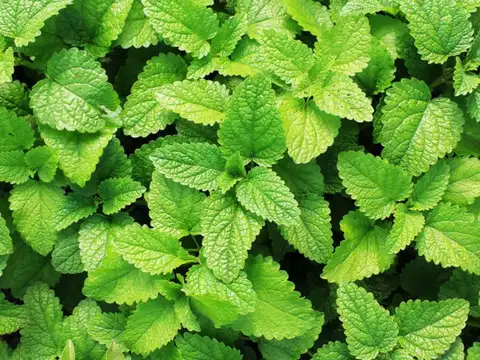
Peppermint
Peppermint has a sharp, strong scent that mosquitoes tend to avoid, and it grows easily in Indian conditions.A review of aromatic plants in mosquito control published in the International Journal of Multidisciplinary Research lists peppermint among the key plants with studied repellent properties, noting its chemical constituents actively interfere with mosquito behaviour. It does well in small pots with indirect light and stays lush with regular watering. A pot near the bed or a window is a simple and low-effort setup.

7/7
Neem
Neem needs no introduction in India. Almost every household knows it for its medicinal uses, but its mosquito repelling properties are also well documented.A review paper on herbal mosquito repellent formulations lists neem seed extract among the plants with high studied repellent activity. A small neem plant on the balcony or near a window works well. Burning dried neem leaves in the evening is a traditional practice that many Indian families still follow, and the science does support the general premise.
(Important Note: Research on these plants is mostly based on their extracted essential oils, not on the plants simply sitting in a corner. Crushing the leaves regularly or placing plants near entry points and fans will make them work noticeably better.)
(Important Note: Research on these plants is mostly based on their extracted essential oils, not on the plants simply sitting in a corner. Crushing the leaves regularly or placing plants near entry points and fans will make them work noticeably better.)