
7 indoor plants that may attract bees and wasps to windows
1/7
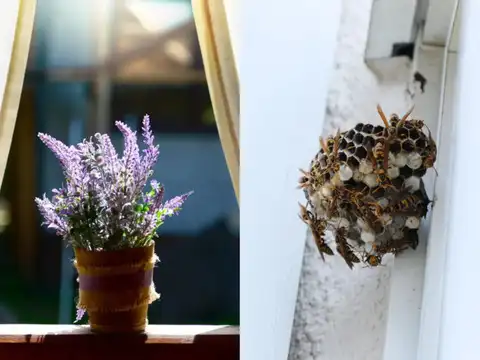
Lavender
Lavender is one of the strongest bee attractants known to science. Its nectar-rich purple flowers and volatile compounds draw bees consistently. A study published in ScienceDirect found lavender attracts significantly more bumblebees than honeybees. Keep it near a sunny window and expect regular visitors during flowering season.
2/7
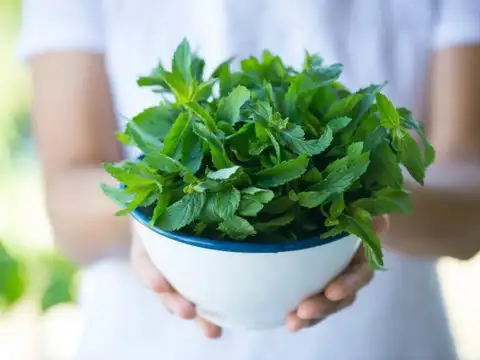
Mint
Mint is easy to grow indoors and looks harmless enough, but once it flowers it becomes a serious pollinator magnet. Penn State Extension research confirms mint produces clustered flower spikes that bees love because they can gather nectar efficiently without wasting energy flying between separate blooms.
3/7
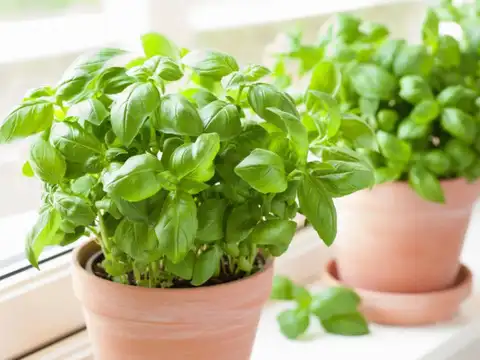
Basil
Most people keep basil on their kitchen windowsill without a second thought. But once basil bolts and flowers, it attracts bees and beneficial wasps actively. University of Florida's Entomology department notes that bees seek out nectar-rich clustered flowers, and basil fits that profile closely once it blooms.
Amazon Top Deals
POWERED BY

Crompton Ozone 75 Litres Desert Air Cooler for home | Large & Easy Clean Ice Chamber | 4-Way Air Deflection | High Density Honeycomb Pads | Everlast Pump | Auto Fill| 3 Year Brand Warranty
₹9,798Buy Now43%
OFF

LG 32 L Convection Microwave Oven (MC3286BRUM, Black, 360° Motorised Rotisserie for Bar-be-queing, 301 Auto Cook Menu, Stainless steel cavity, Indian Cuisine, Tandoor Se, Steam Clean & Diet Fry)
₹19,090Buy Now20%
OFF
4/7
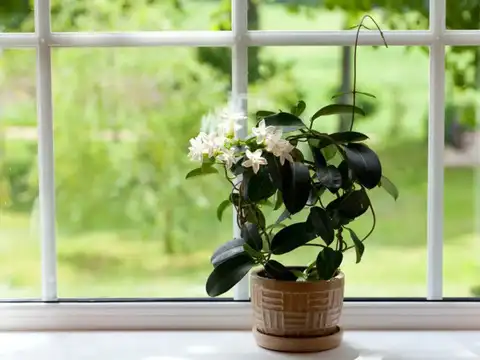
Jasmine
Jasmine is common in Indian homes, loved for its fragrance. That same scent, however, is a powerful bee signal. The plant emits volatile organic compounds that honeybees can detect from considerable distances. Jasmine placed near an open window during bloom season will reliably draw bees in. Arabian jasmine, or mogra, is particularly effective at attracting pollinators.
5/7
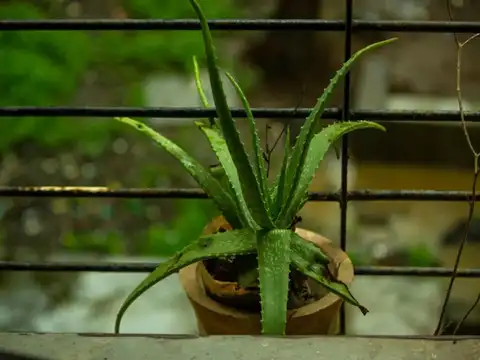
Aloe Vera
Aloe vera is a household staple across India, kept for its medicinal uses. But when it flowers, it becomes a pollinator target. A peer-reviewed study in ScienceDirect found certain Aloe species are exclusively pollinated by bees, with a single bee visit sometimes sufficient for fertilisation. Flowering aloe near a window draws bees reliably.
6/7
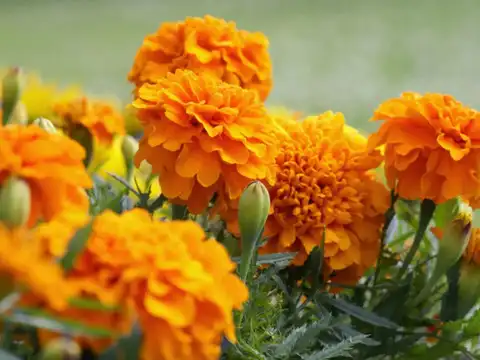
Marigold (Genda Phool)
Marigolds are widely grown in Indian balconies and windowsills for decoration and religious use. They are also strong bee attractants. A five-year study published in the Journal of Insect Conservation via Springer tracking over 9,000 insect observations found open-structured flowers with accessible nectar consistently attracted the highest number of bee visitors.
7/7
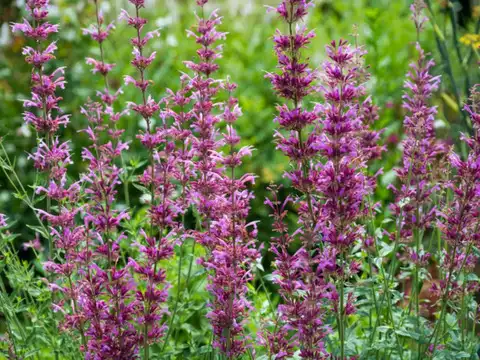
Agastache (Anise Hyssop)
Less common but increasingly available in Indian plant nurseries, agastache is a serious pollinator magnet. Penn State University research published in Scientific Reports found Agastache cultivars attracted the highest number of pollinator visitors among all perennial plants tested, including rare bee species. Even a single pot near a window can bring steady visitors.