
7 indoor plants that may attract ants into home
1/7
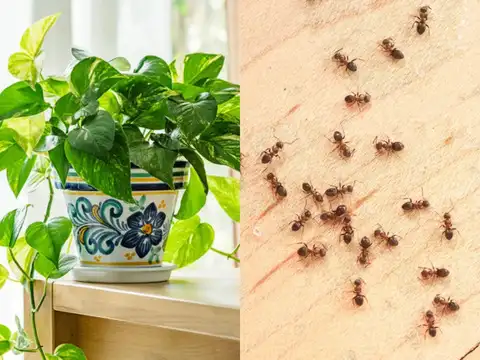
Money Plant (Pothos)
Money plants are low maintenance, which is exactly why they get neglected. When soil stays damp for too long, it becomes a perfect nesting spot for ants looking for moisture and soft ground. Scale insects also tend to build up on neglected pothos, leaving behind honeydew that pulls ants in. Water only when the topsoil feels dry to the touch.
2/7
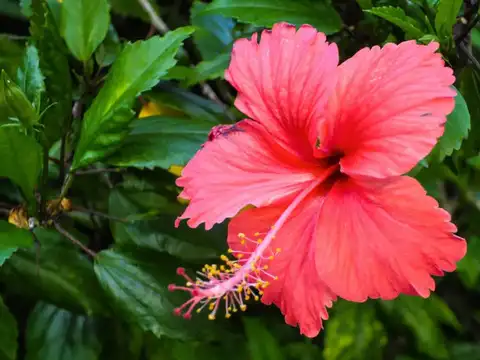
Hibiscus
Hibiscus is one of the most ant-prone plants you can keep indoors or on a balcony. It produces extrafloral nectaries, glands outside the flower that secrete sugary fluid. Research published in PNAS found that plants in at least 66 families produce extrafloral nectar on their leaves or shoots, actively attracting ants. If your hibiscus has an ant trail, the plant itself is partly responsible.
3/7
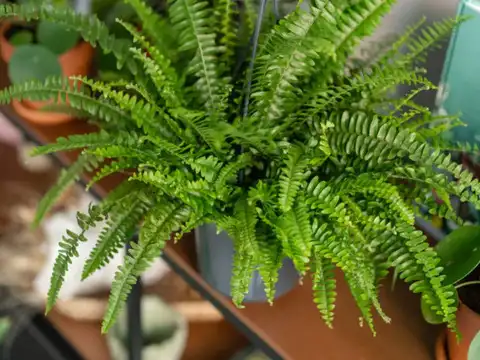
Ferns
Ferns are humidity lovers, and that makes them doubly risky. Consistently damp soil invites ants to nest, and some fern varieties also carry extrafloral nectaries on their fronds. A study published in Arthropod-Plant Interactions found that ants collect around the base of fern fronds, which carry sugar-rich extrafloral nectaries. Keep drainage clean and avoid letting water sit in the pot tray.
Amazon Top Deals
POWERED BY

Crompton Ozone 75 Litres Desert Air Cooler for home | Large & Easy Clean Ice Chamber | 4-Way Air Deflection | High Density Honeycomb Pads | Everlast Pump | Auto Fill| 3 Year Brand Warranty
₹9,798Buy Now43%
OFF

LG 32 L Convection Microwave Oven (MC3286BRUM, Black, 360° Motorised Rotisserie for Bar-be-queing, 301 Auto Cook Menu, Stainless steel cavity, Indian Cuisine, Tandoor Se, Steam Clean & Diet Fry)
₹18,780Buy Now22%
OFF
4/7
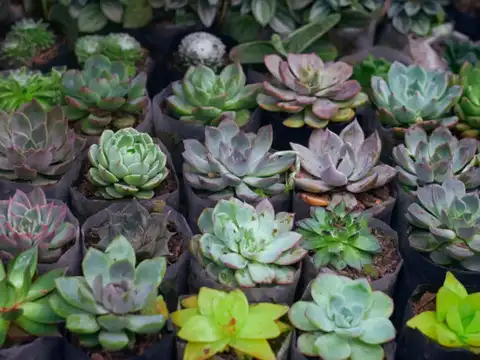
Succulents
Succulents seem like the last plant that would attract ants. But dry, compacted soil in an old succulent pot is exactly the kind of loose, undisturbed ground ants prefer for nesting. Mealybugs are also a common succulent pest and they produce honeydew. Research in Ecological Research (Springer) confirms that honeydew from sap-sucking insects plays a central role in drawing ants to plants. Check the soil and undersides of leaves regularly.
5/7
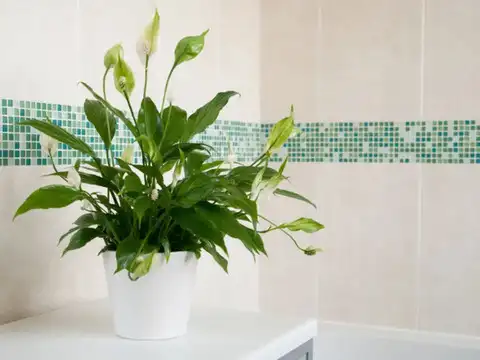
Peace Lily
Peace lilies thrive in low light and stay moist for days, two things ants appreciate as much as you do. Aphids gravitate toward peace lilies in warm indoor conditions, and once aphids settle in, ants follow. A study in PLOS ONE confirms that aphids excrete honeydew rich in sugar, which plays a critical role in drawing ants and sustaining the ant-aphid mutualistic relationship. Wipe leaves regularly and check for sticky residue.
6/7
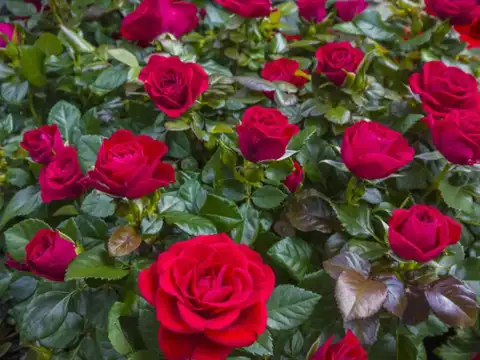
Rose Plants (Balcony or Indoor)
Roses are among the most aphid-prone plants there are, and where aphids go, ants follow closely. Research published in Redalyc confirms that ants actively farm aphids for honeydew, protecting them from predators in exchange, a relationship that intensifies the infestation over time. If you spot ants on your rose plant, look closer, there are almost certainly aphids on the stems or underside of leaves too.
7/7
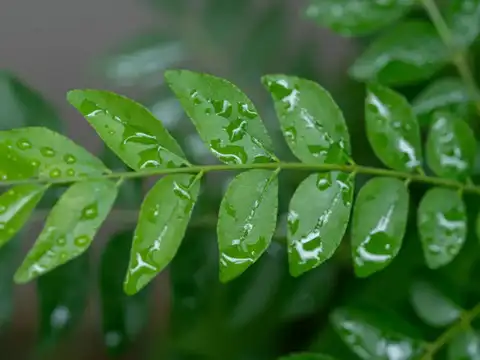
Curry Leaf Plant
A staple in Indian kitchens, the curry leaf plant is warm, aromatic, and frequently overwatered. That combination makes the soil a nesting haven for ants. Scale insects also tend to infest curry leaf plants, especially in summer, leaving behind the honeydew trail that brings ants in. A review in AoB Plants (Oxford Academic) notes that plants use extrafloral nectar and related secretions to attract and retain ant visitors as a defence mechanism. Spray neem oil on the stem and leaves once a month as a preventive measure.