
These 7 Indian temples are over 1,000 years old — and still standing strong
1/8
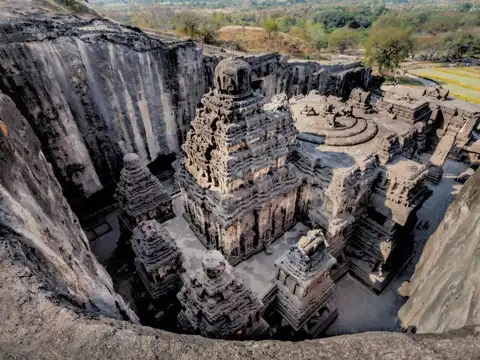
Oldest temples in India
India’s ancient temples are not just ruins—they’re living spaces of prayer, music, food, and festivals. This story picks seven iconic sites older than a millennium, with plain‑language notes on when they were built, what you’ll see, and travel cues for first‑timers.
2/8
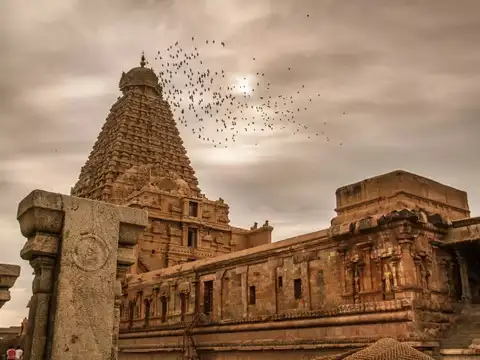
Brihadeeswarar Temple, Thanjavur (Tamil Nadu, 1010 CE)
A UNESCO‑listed Chola marvel built by Raja Raja Chola I, famous for its towering 216‑ft vimana and massive Shiva lingam. Sculpted granites, precise geometry, and daily rituals make it feel both museum‑worthy and very much alive; visit near sunset for glowing stone.
3/8
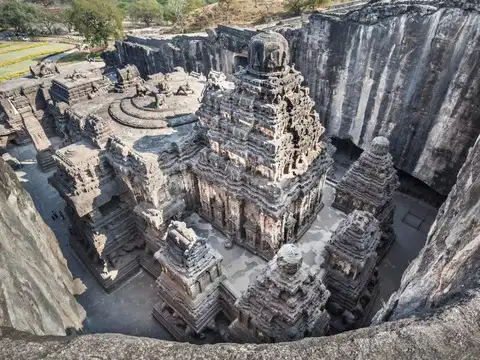
Kailasa Temple, Ellora (Maharashtra, 8th century)
A single monolith carved top‑down under Rashtrakuta king Krishna I; arguably the most audacious rock‑cut temple in India. Walk around the freestanding tower, elephant friezes, and pillared halls—then step back to see how one mountain became a temple.
Amazon Top Deals
POWERED BY

4/8
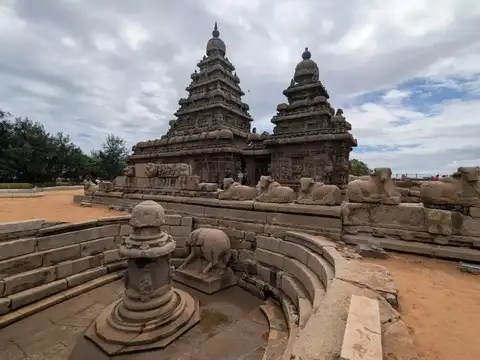
Shore Temple, Mahabalipuram (Tamil Nadu, 8th century)
A Pallava‑era granite complex with shrines to Shiva and Vishnu, facing the Bay of Bengal; part of the Group of Monuments at Mamallapuram (UNESCO). Sunrise light, sea breeze, and compact carvings make this an easy, atmospheric stop on the Coromandel coast.
5/8
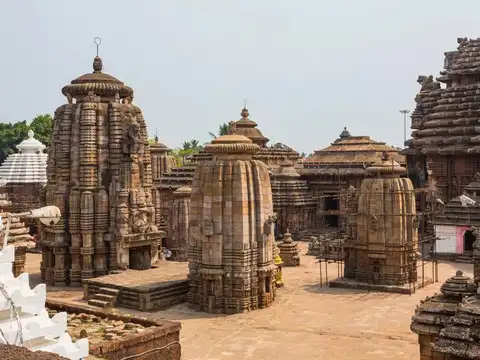
Lingaraja Temple, Bhubaneswar (Odisha, 11th century roots)
A grand Kalinga‑style temple to Harihara (Shiva–Vishnu) with a self‑manifested lingam; the skyline‑defining shikhara is a city icon. The inner city lanes open into a vast sacred complex; respect entry rules for non‑Hindus and enjoy the tank and outer courtyards.
6/8
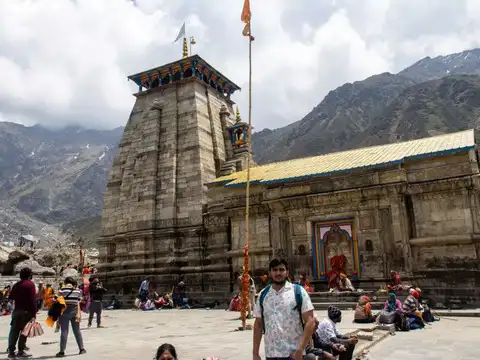
Kedarnath Temple, Rudraprayag (Uttarakhand, 8th century attribution)
A high‑Himalayan Jyotirlinga, linked to the Pandavas and Adi Shankaracharya; stone mandapa against snow peaks, open in yatra season only. The trek and thin air make darshan feel earned; check weather, altitude prep, and registration before travel.
7/8
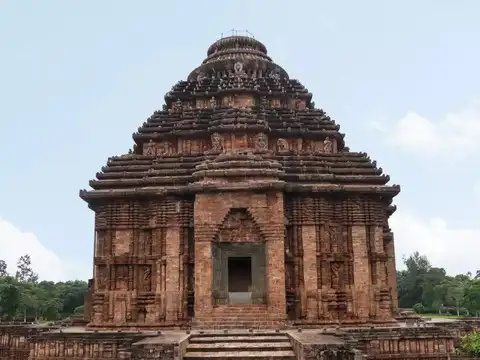
Konark Sun Temple, Konark (Odisha, 13th century)
A UNESCO‑listed chariot of the Sun—24 stone wheels and seven horses—built by Narasimhadeva I; now partly in ruins but staggeringly detailed. Watch light on the carved spokes and musicians’ panels; combine with Puri–Bhubaneswar for a classic “Golden Triangle” in Odisha.
8/8
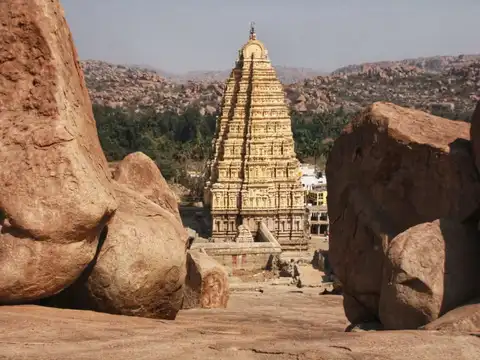
Virupaksha Temple, Pattadakal–Hampi legacy (Karnataka, 7th–8th century)
Early Chalukya–Vijayanagara lineage; Virupaksha at Pattadakal anchors a UNESCO group, while Hampi’s Virupaksha continued the living tradition. See how architectural ideas evolved across centuries; Pattadakal for early experiment, Hampi for grand Vijayanagara scale.