
7 incredible benefits of ‘Japanese walking’ you won’t get in ordinary 10,000‑steps walking

1/8
Japanese Interval Walking
‘Japanese walking’ (IWT) is trending: a simple interval‑style walk that can lower blood pressure, improve blood sugar, and boost fitness better than ordinary step goals—without the joint strain of tougher workouts. It can outperform ordinary 10000 steps walking too and here are the reasons why.

2/8
Bigger blood pressure drops
IWT shows greater reductions in systolic and diastolic blood pressure than continuous walking matched for time and energy, thanks to repeated cardiovascular loading and recovery.
3/8
Better blood sugar control
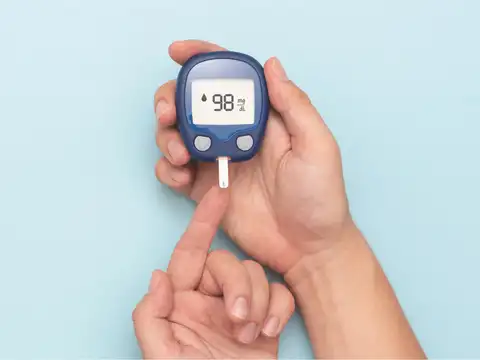
Alternating fast/slow intervals improves insulin sensitivity and lowers glucose more than steady walking at the same duration, with strong evidence in adults with type 2 diabetes.
Amazon Top Deals
POWERED BY

Crompton Ozone 75 Litres Desert Air Cooler for home | Large & Easy Clean Ice Chamber | 4-Way Air Deflection | High Density Honeycomb Pads | Everlast Pump | Auto Fill| 3 Year Brand Warranty
₹9,798Buy Now43%
OFF

LG 32 L Convection Microwave Oven (MC3286BRUM, Black, 360° Motorised Rotisserie for Bar-be-queing, 301 Auto Cook Menu, Stainless steel cavity, Indian Cuisine, Tandoor Se, Steam Clean & Diet Fry)
₹19,340Buy Now19%
OFF

4/8
Greater aerobic capacity gains
IWT outperforms continuous walking for improving VO2‑related fitness in middle‑ and older‑aged adults, indicating more efficient cardiorespiratory adaptations per minute trained.

5/8
Improved body composition
Compared with time‑matched continuous walking, IWT more effectively reduces BMI and favorably shifts body composition, reflecting higher metabolic stimulus from intervals.

6/8
Strength and stability boost
Interval protocols in “Japanese walking” increase muscular strength measures tied to balance and fall resistance, benefits not consistently seen with casual step‑count goals.

7/8
High adherence over time
Programs report adherence around 90–95%, suggesting people stick with IWT better than higher‑strain intervals, which compounds benefits versus routine step targets alone.

8/8
Similar safety, lower injury risk vs HIIT
IWT keeps intensity below HIIT’s near‑max bursts while preserving interval advantages, offering a joint‑friendly path for older adults or beginners seeking superior results to normal walking.
(Disclaimer: This content is for general information only and isn’t a substitute for professional medical advice or diagnosis; anyone with heart, lung, or metabolic conditions, recent injury, or new to exercise should consult a qualified clinician before starting or changing an exercise routine.)
(Disclaimer: This content is for general information only and isn’t a substitute for professional medical advice or diagnosis; anyone with heart, lung, or metabolic conditions, recent injury, or new to exercise should consult a qualified clinician before starting or changing an exercise routine.)