
7 high-protein Indian foods that aren't paneer or soya
1/8
"Alternative" Protein Story
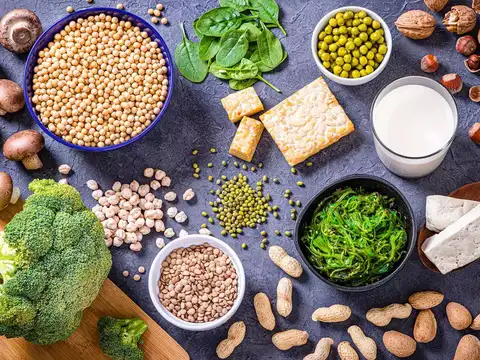
While Paneer and Soya are the "famous" protein faces in India, relying on them exclusively can lead to dietary boredom and digestive fatigue. True nutritional resilience comes from a varied intake of amino acids. This story explores seven traditional powerhouses—ranging from ancient "super-grains" to forgotten pulses—that provide substantial muscle-building fuel without the need for processed soy or dairy-heavy paneer.
2/8
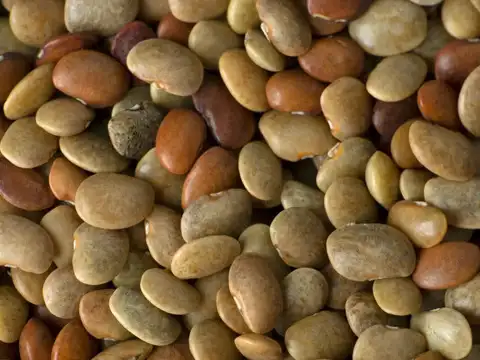
Horse Gram (Kulthi Dal)—The Ancient Powerhouse
Horse Gram is arguably India’s most underrated pulse, historically fed to racehorses for its incredible energy and protein density. With roughly 22g of protein per 100g (dry), it outperforms most common dals. It is prized in South India for "Kollu Rasam," offering a lean, iron-rich protein source that supports weight loss and kidney health simultaneously.
3/8
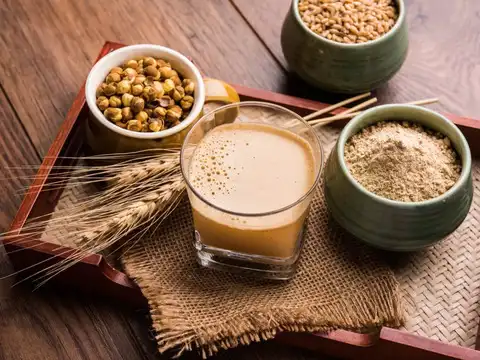
Sattu (Roasted Gram Flour)—The Poor Man’s Whey
Originating from Bihar and UP, Sattu is made by grinding roasted Bengal gram. It contains about 20g of protein per 100g and is often called "the poor man’s whey protein" due to its instant solubility and high bioavailability. Whether consumed as a chilled summer drink or stuffed into parathas, it provides sustained energy and muscle recovery.
Amazon Top Deals
POWERED BY

Crompton Ozone 75 Litres Desert Air Cooler for home | Large & Easy Clean Ice Chamber | 4-Way Air Deflection | High Density Honeycomb Pads | Everlast Pump | Auto Fill| 3 Year Brand Warranty
₹9,798Buy Now43%
OFF

LG 32 L Convection Microwave Oven (MC3286BRUM, Black, 360° Motorised Rotisserie for Bar-be-queing, 301 Auto Cook Menu, Stainless steel cavity, Indian Cuisine, Tandoor Se, Steam Clean & Diet Fry)
₹19,340Buy Now19%
OFF
4/8
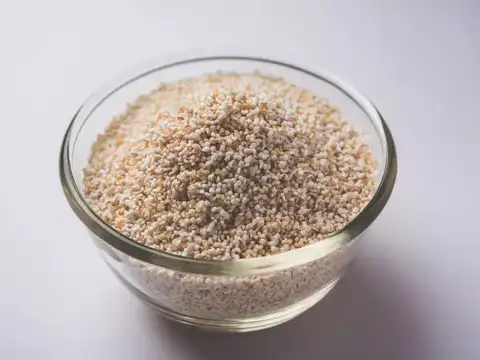
Amaranth (Rajgira)—The Royal Super-Grain
Unlike most grains, Amaranth is a "pseudo-cereal" that contains all nine essential amino acids, including lysine, which is usually missing in wheat and rice. With about 14g of protein per 100g, it’s a staple during fasting periods (Vrat). It offers a nutty flavor and a significant protein punch for those looking for gluten-free muscle support.
5/8
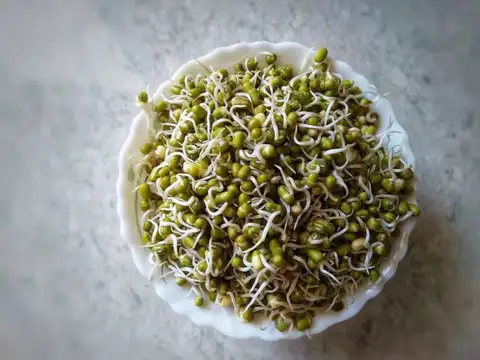
Mung Bean Sprouts—The Living Protein
When you sprout whole Moong beans, the protein becomes more "bioavailable," meaning your body absorbs it more easily. A single bowl of sprouted moong contains about 12–15g of protein with minimal calories. Dr. Pal and other experts often recommend sprouts as a "living food" that provides enzymes for better digestion alongside its high nitrogen content for muscle repair.
6/8
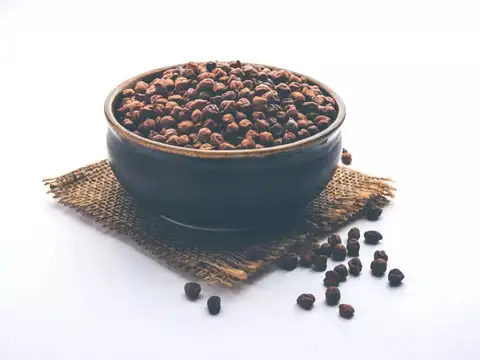
Black Chana (Kala Chana)—The Fiber-Protein Duo
Kala Chana is a staple in Indian fitness diets, offering approximately 19g of protein per 100g. Its thick outer skin provides immense fiber, which slows down the absorption of glucose, providing steady "slow-burn" energy. Often eaten boiled with ginger and lemon, it’s the perfect pre-workout snack for those avoiding the bloating sometimes associated with soy.
7/8
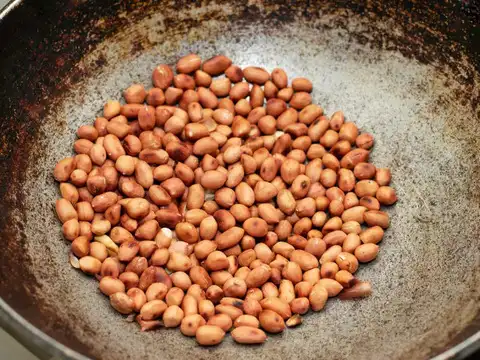
Peanuts (Moongfali)—The Muscle-Building Nut
Peanuts are technically legumes, not nuts, which explains their massive protein profile: roughly 26g per 100g. In many parts of India, they are the primary source of affordable protein. Whether in a spicy "Singdana" chutney or roasted as a snack, they provide the leucine necessary for muscle protein synthesis, rivaling expensive imported nuts like almonds.
8/8
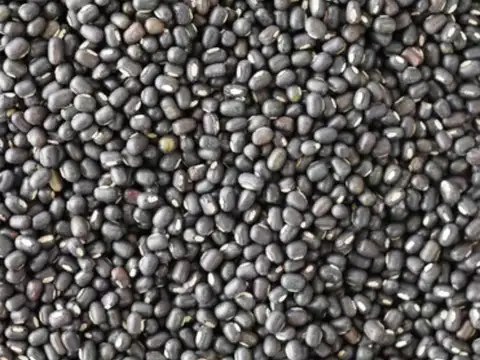
Black Urad Dal (The Muscle Builder)
Whole Black Gram, or Urad Dal, is one of the densest sources of plant protein in the Indian diet, offering about 25g of protein per 100g (raw). It is the star of the famous Dal Makhani, providing a slow-release form of energy and significant amounts of iron and magnesium. Traditionally praised by wrestlers, it is the ultimate "muscle food" that keeps you satiated for hours.
(Disclaimer: This story is for educational purposes alone and should not be considered as professional medical advice and does not substitute any medical advice.)
(Disclaimer: This story is for educational purposes alone and should not be considered as professional medical advice and does not substitute any medical advice.)