
7 hidden causes of heart attacks—and signs to spot for women under 65
1/9
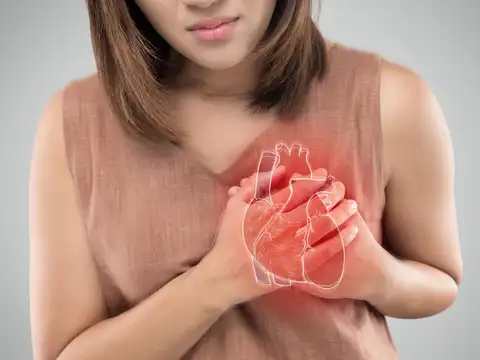
Heart attacks in women
New research shows many heart attacks in women under 65 aren’t from clogged arteries but from issues like artery tears, spasms, clots, or illness‑related strain—changing how symptoms should be recognized and treated.
2/9
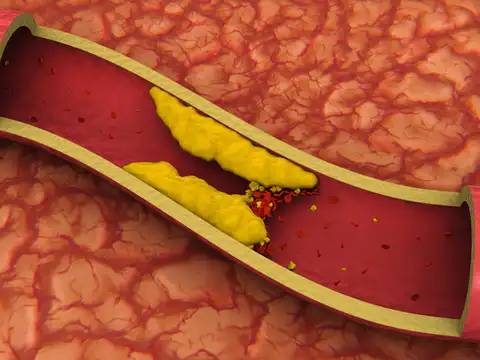
Regular artery blockage (cholesterol buildup)
The usual heart attack from fatty deposits blocking heart arteries, like plaque in a pipe. According to the Journal of the American College of Cardiology study, this happens in 75% of men but only 47% of women under 65. Signs include chest pressure that spreads to arms, jaw, or back during activity.
3/9
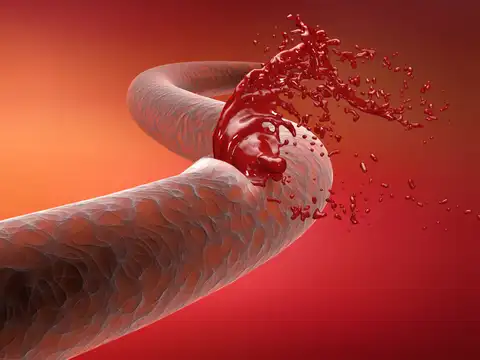
Artery wall tearing (SCAD—spontaneous coronary artery dissection)
When the artery wall spontaneously splits or tears from inside, creating a blockage without cholesterol buildup. Mayo Clinic research shows this affects 11% of younger women versus less than 1% of men. Watch for sudden severe chest pain, breathlessness, or collapse—often without traditional risk factors.
Amazon Top Deals
POWERED BY

atomberg Studio Smart+ 1200mm BLDC Ceiling Fan with IoT & Remote | BEE 5 star Rated Energy Efficient Ceiling Fan | High Air Delivery with LED Indicators | 3 Year Warranty (Earth Brown)
₹5,882Buy Now36%
OFF
LG 32 L Convection Microwave Oven (MC3286BRUM, Black, 360° Motorised Rotisserie for Bar-be-queing, 301 Auto Cook Menu, Stainless steel cavity, Indian Cuisine, Tandoor Se, Steam Clean & Diet Fry)
₹19,340Buy Now19%
OFF
4/9
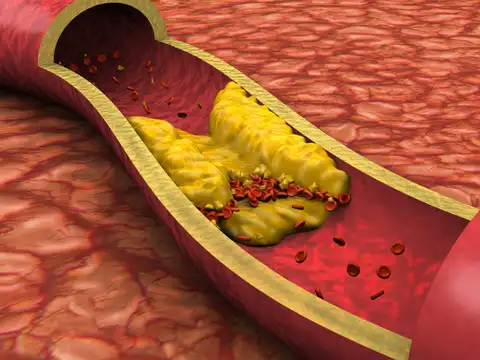
Blood clots from elsewhere (coronary embolism)
A clot travels from another part of the body to block a heart artery, like debris floating downstream. Published findings in cardiac journals link this to conditions that promote clotting. Symptoms mirror typical heart attacks—sudden chest pain, shortness of breath, or fainting.
5/9
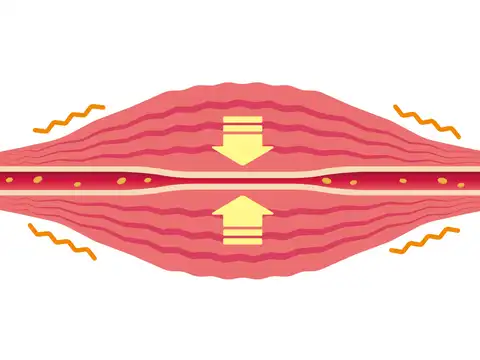
Artery muscle spasms (coronary vasospasm)
The heart artery temporarily squeezes shut like a muscle cramp, reducing blood flow without permanent blockage. American Heart Association research shows this can trigger chest pain episodes at rest, sometimes with jaw or neck discomfort, often triggered by stress.
6/9
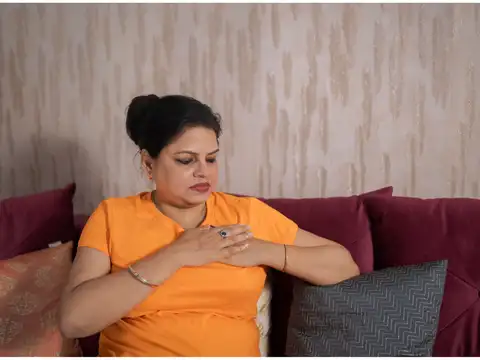
Heart overwork during illness (supply–demand mismatch)
When the heart needs more oxygen than available during severe illness like infection, anemia, or very low blood pressure. Studies show this type has the highest long-term death rate at 33%. Signs include new chest pain, severe fatigue, or breathlessness during acute illness.
7/9
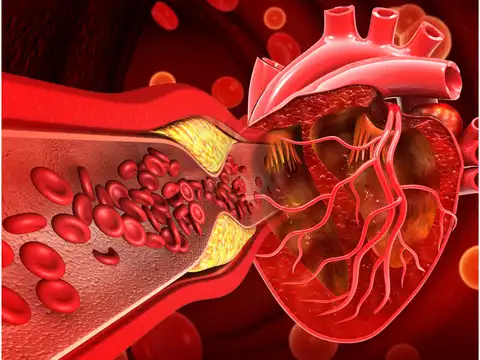
Unexplained heart damage (MINOCA)
Heart attack symptoms and blood test changes but no obvious artery blockage found after thorough testing. Cardiology research shows this requires careful evaluation to avoid missing treatable causes. Symptoms include typical heart attack signs—chest pressure, shortness of breath, dizziness.
8/9
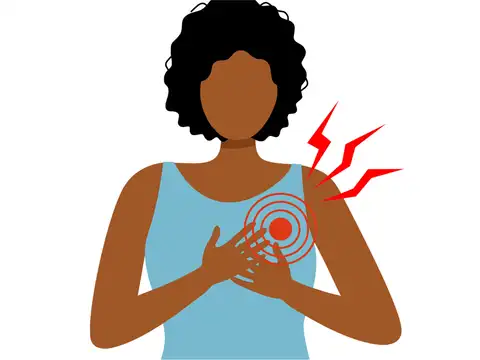
Warning signs especially for women
Women often skip the "crushing chest pain" and instead experience breathlessness, nausea, upper belly pain, unusual fatigue, or jaw/neck pain during activity that improves with rest. American Heart Association guidelines emphasize seeking immediate care for these symptoms.
9/9
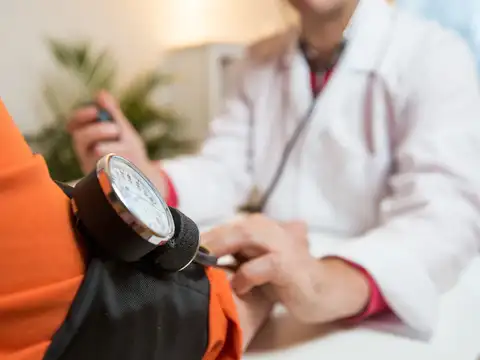
Getting proper testing
Be clear about symptoms and ask specifically for an electrocardiogram (ECG) and blood tests that check for heart damage. Research from Mayo Clinic shows younger adults, especially women, need different approaches than standard protocols designed for older male patients.
(Disclaimer: This story is for general information and awareness only and is not a substitute for professional medical advice, diagnosis, or treatment; for any symptoms or concerns, seek immediate care and follow guidance from qualified clinicians and established cardiology organizations.)
(Disclaimer: This story is for general information and awareness only and is not a substitute for professional medical advice, diagnosis, or treatment; for any symptoms or concerns, seek immediate care and follow guidance from qualified clinicians and established cardiology organizations.)