
7 healthy eating tips that can help reduce inflammation
1/7
Fiber! Fiber! Fiber!
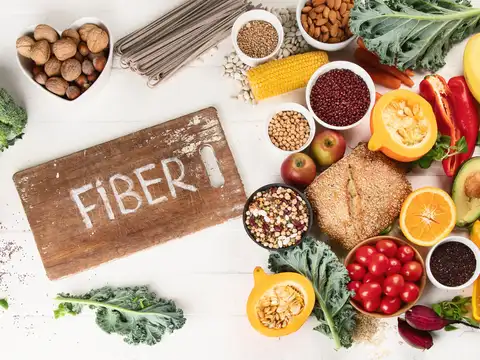
Fiber plays a key role in supporting gut health, which in turn benefits overall wellbeing. However, most Americans consume only about half of the recommended daily intake. A good target is around 25 grams per day for women and 38 grams per day for men.
Fiber is found in plant-based foods, and most sources contain a mix of both major types.
Insoluble fiber does not dissolve in water and adds bulk to stool, helping food move through the digestive system more easily and supporting regular, comfortable bowel movements. It is commonly found in the skins, seeds, and fibrous parts of fruits and vegetables, as well as nuts, seeds, and the bran of whole grains.
Soluble fiber, in contrast, dissolves in water to form a gel-like substance. It helps regulate blood sugar after meals, promotes a feeling of fullness, and may also support lower cholesterol levels, hormonal balance, and healthy digestion. Good sources include beans and other legumes, flax and chia seeds, and whole grains such as oats.
Both types of fiber are important, so eating a wide range of whole plant foods can help you meet your daily needs.
Fiber is found in plant-based foods, and most sources contain a mix of both major types.
Insoluble fiber does not dissolve in water and adds bulk to stool, helping food move through the digestive system more easily and supporting regular, comfortable bowel movements. It is commonly found in the skins, seeds, and fibrous parts of fruits and vegetables, as well as nuts, seeds, and the bran of whole grains.
Soluble fiber, in contrast, dissolves in water to form a gel-like substance. It helps regulate blood sugar after meals, promotes a feeling of fullness, and may also support lower cholesterol levels, hormonal balance, and healthy digestion. Good sources include beans and other legumes, flax and chia seeds, and whole grains such as oats.
Both types of fiber are important, so eating a wide range of whole plant foods can help you meet your daily needs.

2/7
Lean meat and plant protein sources are optimal
Aim to include more plant-based protein sources in your diet, such as soy products (tofu, tempeh, edamame, and soy milk), beans, lentils, nuts, and seeds. Opt for lean animal proteins like fish, chicken, and turkey when consuming meat.
It’s also helpful to reduce intake of red and processed meats and choose low-fat dairy options. When grilling or cooking meat, avoid charring, as it can produce compounds that may promote inflammation.
It’s also helpful to reduce intake of red and processed meats and choose low-fat dairy options. When grilling or cooking meat, avoid charring, as it can produce compounds that may promote inflammation.

3/7
Minimise sugar intake
Limit added sugar intake to less than 6% of total daily calories. This is about 9 teaspoons (36 grams) per day for men and 6 teaspoons (24 grams) for women.
Check nutrition labels when shopping, and remember that 1 teaspoon of sugar equals roughly 4 grams.
Try to avoid sugary drinks such as soda, lemonade, sweetened tea and coffee, and fruit juices. Also reduce intake of desserts, pastries, candies, and other sweets. Added sugars can also be hidden in foods like bread, salad dressings, condiments, cereals, yogurts, pasta sauces, crackers, and chips. Even natural sweeteners like honey and maple syrup still count as added sugars.
Check nutrition labels when shopping, and remember that 1 teaspoon of sugar equals roughly 4 grams.
Try to avoid sugary drinks such as soda, lemonade, sweetened tea and coffee, and fruit juices. Also reduce intake of desserts, pastries, candies, and other sweets. Added sugars can also be hidden in foods like bread, salad dressings, condiments, cereals, yogurts, pasta sauces, crackers, and chips. Even natural sweeteners like honey and maple syrup still count as added sugars.
Amazon Top Deals
POWERED BY

Crompton Ozone 75 Litres Desert Air Cooler for home | Large & Easy Clean Ice Chamber | 4-Way Air Deflection | High Density Honeycomb Pads | Everlast Pump | Auto Fill| 3 Year Brand Warranty
₹9,798Buy Now43%
OFF

LG 32 L Convection Microwave Oven (MC3286BRUM, Black, 360° Motorised Rotisserie for Bar-be-queing, 301 Auto Cook Menu, Stainless steel cavity, Indian Cuisine, Tandoor Se, Steam Clean & Diet Fry)
₹19,340Buy Now19%
OFF

4/7
Prioritise high-fiber carbohydrates
Reduce intake of highly processed, low-fiber carbohydrates such as white flour products (including white bread, pasta, English muffins, bagels, crackers, and muffins), instant rice and potatoes, and many breakfast cereals.
Instead, prioritize higher-fiber carbohydrate options like whole grains (brown rice, barley, oats, quinoa, buckwheat, and farro) and whole wheat products. You can also include starchy vegetables such as sweet potatoes, potatoes, winter squash, beets, corn, beans, and peas.
Instead, prioritize higher-fiber carbohydrate options like whole grains (brown rice, barley, oats, quinoa, buckwheat, and farro) and whole wheat products. You can also include starchy vegetables such as sweet potatoes, potatoes, winter squash, beets, corn, beans, and peas.

5/7
Reduce your Omega 6 to Omega 3 ratio
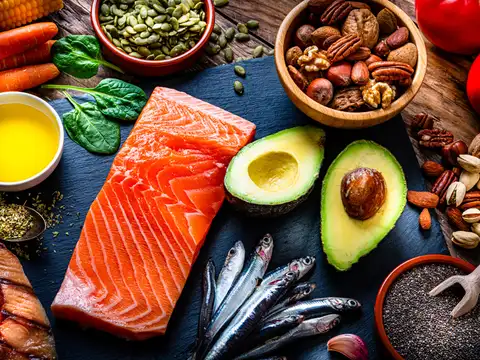
Try to include more omega-3–rich foods in your diet, such as omega-3–enriched eggs and wild-caught fish like salmon, mackerel, anchovies, sardines, and herring. Plant-based sources include flaxseeds, chia seeds, hemp seeds, and walnuts.
At the same time, try to limit omega-6–rich oils, which are commonly found in ultra-processed foods. These include oils made from soybeans, corn, safflower, grapeseed, and cottonseed.
At the same time, try to limit omega-6–rich oils, which are commonly found in ultra-processed foods. These include oils made from soybeans, corn, safflower, grapeseed, and cottonseed.
6/7
Track your fat intake
Use unsaturated fats such as extra virgin olive oil for most cooking. For higher-heat cooking, choose neutral oils like avocado oil, expeller-pressed canola oil, or sunflower oil.
Avoid trans fats, which are found in deep-fried foods and products containing partially hydrogenated oils. It’s also important to limit saturated fats, including butter, fatty cuts of meat, poultry skin, processed meats, full-fat cheeses and dairy, as well as coconut oil, palm oil, and cocoa butter.
Avoid trans fats, which are found in deep-fried foods and products containing partially hydrogenated oils. It’s also important to limit saturated fats, including butter, fatty cuts of meat, poultry skin, processed meats, full-fat cheeses and dairy, as well as coconut oil, palm oil, and cocoa butter.
7/7
Eat plenty of fruits and vegetables
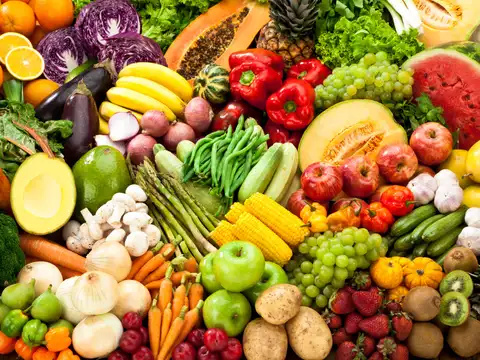
Aim for at least six half-cup servings of fruits and vegetables each day, and try to include a variety of brightly colored produce. Different colors provide different nutrients and health benefits.
(Disclaimer: This story is for educational purposes alone and should not be considered as professional medical advice and does not substitute any medical advice.)
(Disclaimer: This story is for educational purposes alone and should not be considered as professional medical advice and does not substitute any medical advice.)