
7 foods that provide clear vision

1/8
How to use
Aim for one leafy‑green serving daily, one carotenoid‑rich side, and fatty fish 2–3 times weekly; pair pigments with healthy fats (eggs, nuts, olive oil) to aid absorption.
2/8
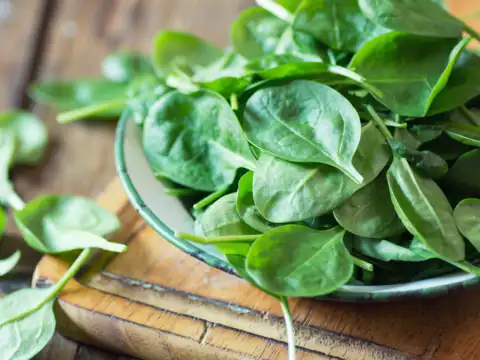
Spinach and kale
Dark leafy greens pack lutein and zeaxanthin, the macular pigments that filter blue light and support visual acuity; higher intakes are linked with lower risk of age‑related eye disease.
3/8
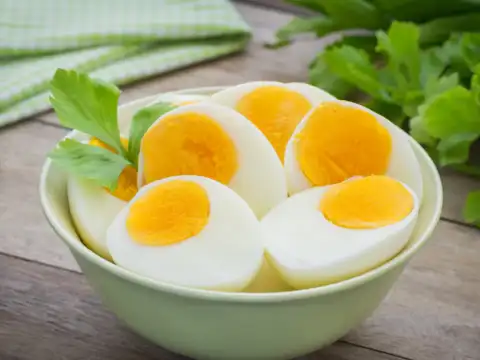
Egg yolks
Eggs provide highly bioavailable lutein/zeaxanthin plus fat for absorption, helping bolster the macular pigment that protects central vision against oxidative stress and glare sensitivity.
Amazon Top Deals
POWERED BY

Crompton Ozone 75 Litres Desert Air Cooler for home | Large & Easy Clean Ice Chamber | 4-Way Air Deflection | High Density Honeycomb Pads | Everlast Pump | Auto Fill| 3 Year Brand Warranty
₹9,798Buy Now43%
OFF

atomberg Studio Smart+ 1200mm BLDC Ceiling Fan with IoT & Remote | BEE 5 star Rated Energy Efficient Ceiling Fan | High Air Delivery with LED Indicators | 3 Year Warranty (Earth Brown)
₹5,903Buy Now36%
OFF

LG 32 L Convection Microwave Oven (MC3286BRUM, Black, 360° Motorised Rotisserie for Bar-be-queing, 301 Auto Cook Menu, Stainless steel cavity, Indian Cuisine, Tandoor Se, Steam Clean & Diet Fry)
₹19,340Buy Now19%
OFF
4/8
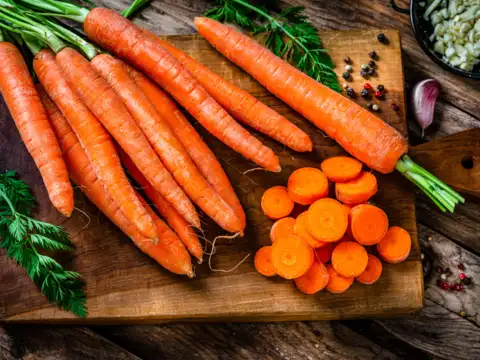
Carrots and orange veg
Carrots, sweet potato, and pumpkin supply beta‑carotene, a vitamin A precursor vital for the visual cycle; deficiency impairs night vision, while adequate intake supports overall eye health.

5/8
Corn and peas
Corn contributes zeaxanthin, and peas add supportive carotenoids and vitamins; together they boost dietary pigment intake associated with macular protection in population and clinical research.
6/8
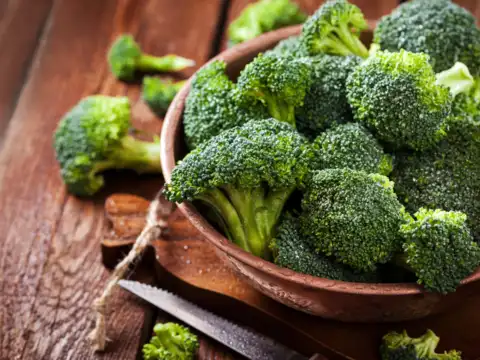
Broccoli and bell peppers
These add lutein/zeaxanthin plus vitamin C, an antioxidant found in the eye’s lens and fluids, contributing to defense against oxidative damage over time.
7/8
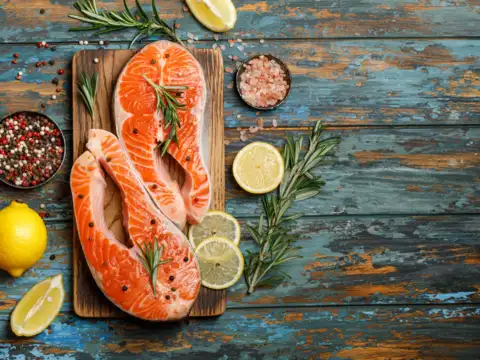
Salmon and sardines
Fatty fish deliver DHA/EPA omega‑3s that help stabilize the tear film and may aid dry‑eye comfort with sufficient dose and duration, per recent meta‑analysis trends.
8/8
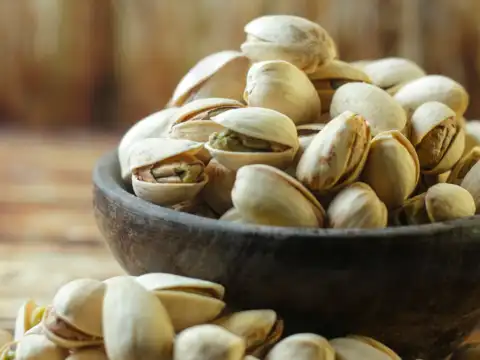
Pistachios and almonds
Nuts provide lutein (notably pistachios) and vitamin E to combat oxidative stress, complementing carotenoid‑rich produce for a balanced, eye‑smart plate.