
7 foods that have way more protein than you realize
1/7
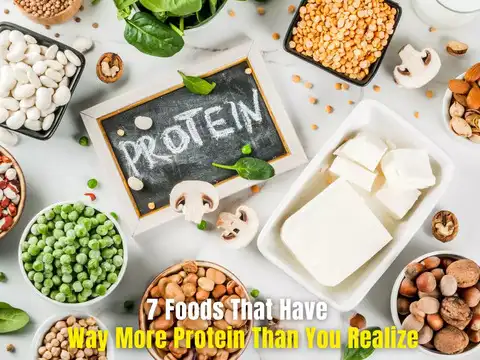
Hidden Protein Heroes
A common misconception suggests that traditional Indian vegetarian meals are purely carb-heavy and lack sufficient muscle-building blocks. In reality, our culinary heritage is built on a foundation of legumes, seeds, and unique dairy preparations that offer high-quality amino acids. Understanding these "hidden" sources allows you to hit your daily protein targets while enjoying the diverse, comforting flavors of home-cooked Indian cuisine.
2/7
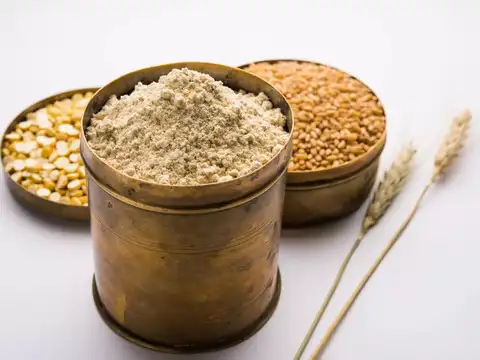
Sattu — The Poor Man’s Protein Shake
Often called the "energy drink of Bihar," Sattu is made from roasted Bengal gram and is a nutritional marvel. It contains nearly 20g of protein per 100g, making it a formidable rival to modern whey supplements. Because it is high in insoluble fiber and has a low glycemic index, it provides sustained energy and muscle recovery while keeping your digestive system remarkably cool.
3/7
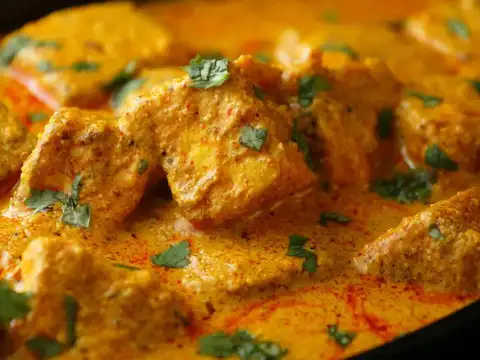
Paneer — The Vegetarian’s Gold Standard
While Paneer is a beloved staple, many underestimate its density; 100g of fresh cottage cheese provides about 18g to 20g of high-quality protein. It contains all nine essential amino acids, making it a "complete" protein source that is easily absorbed by the body. Sautéing it lightly instead of deep-frying ensures you get the anabolic benefits without excessive saturated fats.
Amazon Top Deals
POWERED BY

Crompton Ozone 75 Litres Desert Air Cooler for home | Large & Easy Clean Ice Chamber | 4-Way Air Deflection | High Density Honeycomb Pads | Everlast Pump | Auto Fill| 3 Year Brand Warranty
₹9,798Buy Now43%
OFF

atomberg Studio Smart+ 1200mm BLDC Ceiling Fan with IoT & Remote | BEE 5 star Rated Energy Efficient Ceiling Fan | High Air Delivery with LED Indicators | 3 Year Warranty (Earth Brown)
₹5,882Buy Now36%
OFF

LG 32 L Convection Microwave Oven (MC3286BRUM, Black, 360° Motorised Rotisserie for Bar-be-queing, 301 Auto Cook Menu, Stainless steel cavity, Indian Cuisine, Tandoor Se, Steam Clean & Diet Fry)
₹19,340Buy Now19%
OFF
4/7
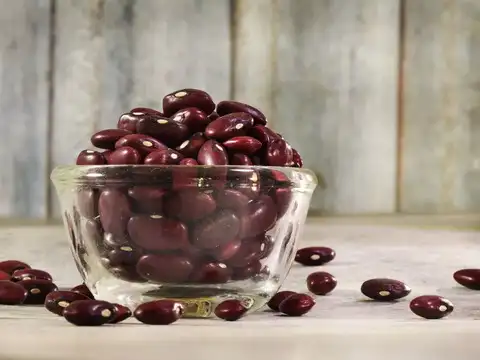
Rajma — More Than Just Comfort Food
Rajma is often viewed as a heavy comfort meal, but it is actually a powerhouse of plant-based protein, offering roughly 24g per 100g of dried beans. When paired with rice, it forms a complete amino acid profile, mimicking the protein quality of animal products. Its high molybdenum and fiber content also help in detoxifying the liver while fueling your muscles.
5/7
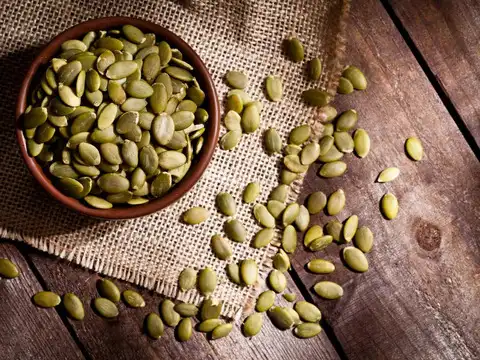
Pumpkin Seeds — The Tiny Titans
Commonly discarded or used as a minor garnish, Kaddu (Pumpkin) seeds are a dense source of protein, containing about 30g per 100g—surpassing many meats by weight. They are also rich in magnesium and zinc, which are crucial for natural testosterone production and immune function. A small handful added to your morning poha or yogurt can significantly spike your daily protein tally.
6/7
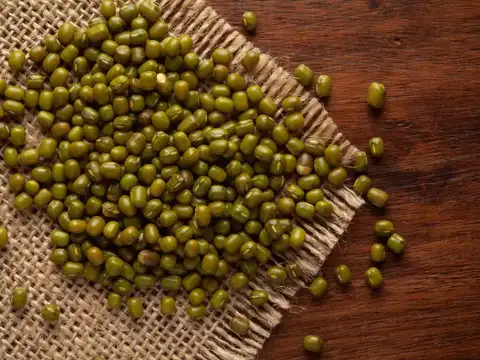
Moong Dal — The Gentle Giant
Moong Dal is frequently dismissed as "sick-person food," yet it boasts an impressive 24g of protein per 100g. It is one of the easiest plant proteins for the human body to break down, making it an ideal post-workout meal that doesn't cause bloating. Whether consumed as a sprout, a cheela, or a simple dal, it provides a clean, lean source of nitrogen for your tissues.

7/7
Amaranth (Rajgira)
Rajgira, or Amaranth, was a "fasting food" for centuries, but modern science recognizes it as a pseudo-cereal with a remarkable protein content of 14%. Unlike wheat or rice, Amaranth is rich in lysine, an essential amino acid often missing in other plant sources. Incorporating Rajgira flour or puffed seeds into your diet provides a high-fiber, gluten-free protein boost that supports bone density.
(Disclaimer: This story is for educational purposes alone and should not be considered as professional medical advice and does not substitute any medical advice.)
(Disclaimer: This story is for educational purposes alone and should not be considered as professional medical advice and does not substitute any medical advice.)
READ MORE:
High Protein Indian Vegetarian Foods 2026 |Sattu Protein Content per 100g |Best Plant Based Protein India |Paneer Nutrition Facts for Muscle |Pumpkin Seeds Protein vs Meat |Moong Dal Protein Value |Amaranth Rajgira Superfood India |Protein Rich Indian Breakfast Ideas |Complete Amino Acid Profile Vegetarian |How to Increase Protein in Indian Diet