
7 foods rich in iron you should include in your diet
1/7
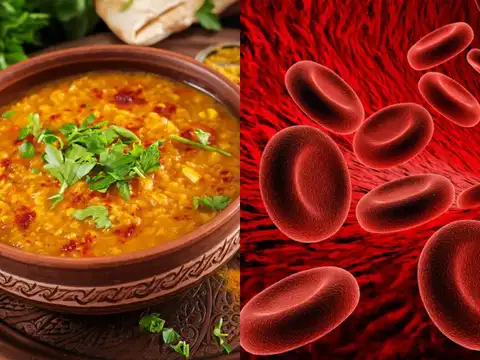
Masoor Dal (Red Lentils)
Masoor dal is one of the most iron-rich pulses in the Indian kitchen and also one of the cheapest. A study published in PMC by researchers at the University of Saskatchewan confirmed that lentil dal is a meaningful source of non-heme iron and can provide significant health benefits to populations vulnerable to iron deficiency.
2/7
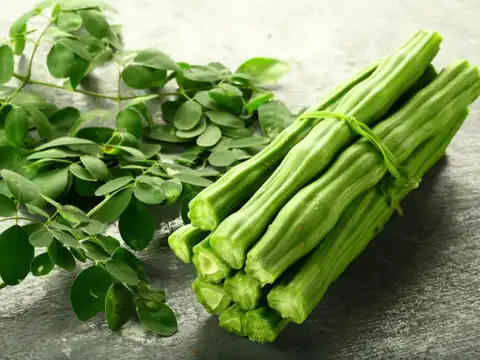
Drumstick Leaves (Moringa)
Drumstick leaves, called murungai keerai in Tamil Nadu or sahjan in Hindi, pack a serious nutritional punch. A peer reviewed study in PubMed by researchers from CSIR-Central Food Technological Research Institute, Mysore found that iron from Moringa leaves could overcome the effects of iron deficiency and positively modulate iron-related gene expression in the body.
3/7
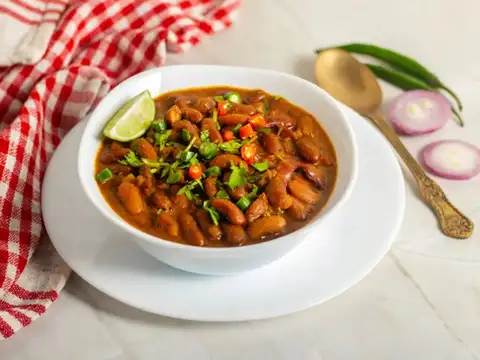
Rajma (Kidney Beans)
Rajma chawal is comfort food, but it also does real nutritional work. A 2023 study published in PMC on kidney bean mineral composition found that cooking kidney beans actually increases their iron content compared to raw, making your regular homemade rajma a better iron source than most people realise. Pair it with tomatoes for better absorption.
Amazon Top Deals
POWERED BY

Crompton Ozone 75 Litres Desert Air Cooler for home | Large & Easy Clean Ice Chamber | 4-Way Air Deflection | High Density Honeycomb Pads | Everlast Pump | Auto Fill| 3 Year Brand Warranty
₹9,798Buy Now43%
OFF

LG 32 L Convection Microwave Oven (MC3286BRUM, Black, 360° Motorised Rotisserie for Bar-be-queing, 301 Auto Cook Menu, Stainless steel cavity, Indian Cuisine, Tandoor Se, Steam Clean & Diet Fry)
₹19,090Buy Now20%
OFF
4/7
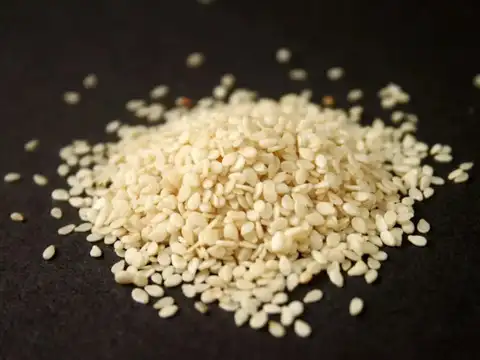
Sesame Seeds (Til)
Til is easy to overlook but quietly iron-rich. A 2024 review published in the journal Foods, indexed on PMC, confirmed that sesame seeds contain measurable levels of iron, magnesium, and zinc. Even better, a clinical trial from JIPMER, Puducherry found sesame-jaggery combinations helped raise hemoglobin in children with iron deficiency anemia.
5/7
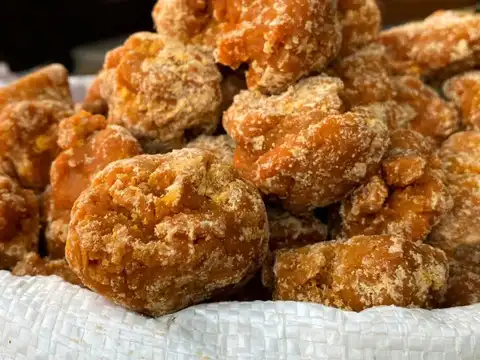
Jaggery (Gud)
Most Indian households use jaggery but don't think of it as an iron source. A study published in the Indian Journal of Public Health noted that jaggery contains 4.6 mg of iron per 100 g and that traditional snacks combining jaggery with sesame or chana can contribute meaningfully to iron intake. Small daily amounts add up.
6/7
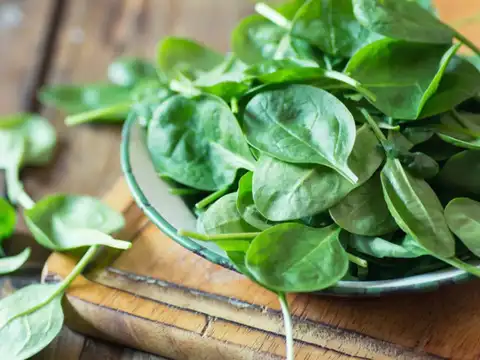
Spinach (Palak)
Palak is the most talked about iron vegetable, though how you cook it matters. A Cornell University study published via PubMed found that adding ascorbic acid (vitamin C) doubled the bioavailability of iron from spinach. So squeezing lemon over your palak sabzi is not just habit; it actually makes the iron more useful to your body.
7/7
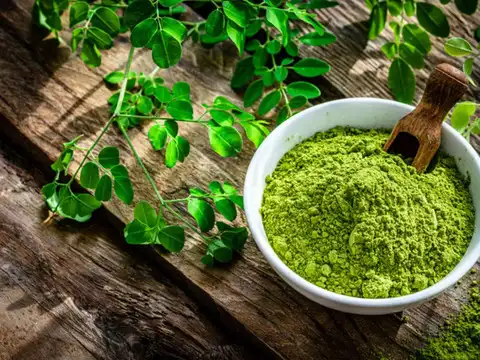
Moringa Powder (Dried Drumstick Leaf Powder)
If fresh drumstick leaves aren't easy to find, moringa powder is a widely available alternative. A comprehensive review published in PMC noted that moringa powder can serve as a dietary alternative to iron pills and delivers iron alongside calcium, vitamin A, and other key nutrients. A teaspoon added to dal, soup, or even roti dough works well.
(Disclaimer: This story is for educational purposes alone and should not be considered as professional medical advice and does not substitute any medical advice.)
(Disclaimer: This story is for educational purposes alone and should not be considered as professional medical advice and does not substitute any medical advice.)