
7 foods rich in antioxidants that you can include in your diet
1/7
Blueberries (Wild or cultivated)
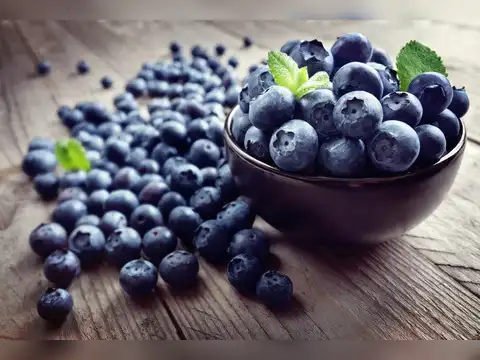
Blueberries are one of the richest sources of antioxidants among commonly eaten fruits and vegetables. Their antioxidants, especially anthocyanins, may help protect cells from oxidative DNA damage caused by free radicals, which contribute to aging and diseases such as cancer. While promising, more research is needed to confirm the extent of these protective effects.
2/7
Apples
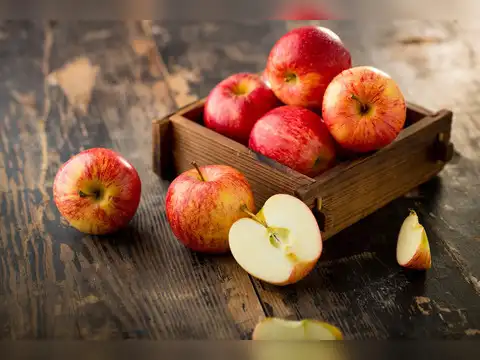
Apples are rich in polyphenols, natural plant compounds that may help lower blood pressure and reduce the risk of chronic diseases. They are especially high in quercetin, an antioxidant found mainly in the skin that supports immune function, reduces inflammation, and protects brain cells from oxidative stress. Apple polyphenols may also help inhibit the growth of cancer cells, though more research is needed.
3/7
Prunes
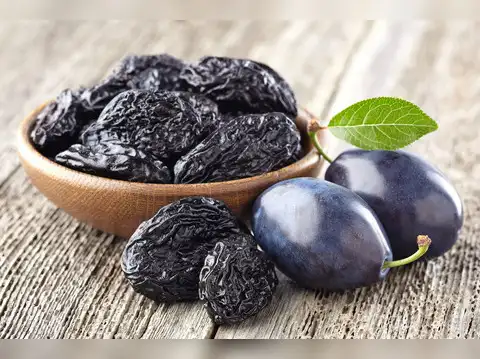
Prunes are rich in antioxidants, especially polyphenols, which help reduce inflammation and protect cells from free radical damage. These compounds support bone health and may lower the risk of heart disease and diabetes. Prunes also contain anthocyanins, powerful antioxidants that may contribute to overall health and help reduce the risk of chronic diseases, including heart disease and some cancers.
Amazon Top Deals
POWERED BY

Crompton Ozone 75 Litres Desert Air Cooler for home | Large & Easy Clean Ice Chamber | 4-Way Air Deflection | High Density Honeycomb Pads | Everlast Pump | Auto Fill| 3 Year Brand Warranty
₹9,798Buy Now43%
OFF

LG 32 L Convection Microwave Oven (MC3286BRUM, Black, 360° Motorised Rotisserie for Bar-be-queing, 301 Auto Cook Menu, Stainless steel cavity, Indian Cuisine, Tandoor Se, Steam Clean & Diet Fry)
₹18,490Buy Now23%
OFF
4/7
Plums
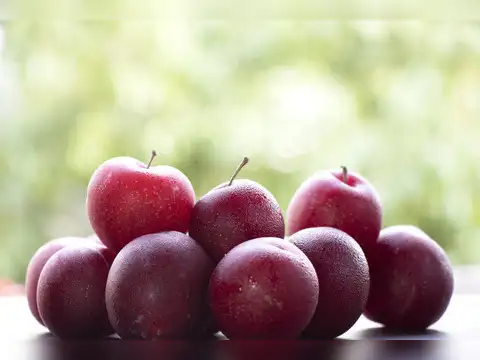
Plums are rich in antioxidants, especially polyphenols, which help reduce inflammation and protect cells from free radical damage. Their anthocyanins, a key polyphenol, have strong antioxidant effects and may lower the risk of heart disease and certain cancers. Plums also provide fiber, potassium, and other nutrients that support bone and heart health and may help reduce cardiovascular risk factors.
5/7
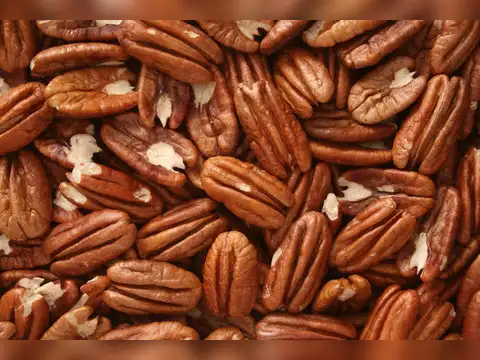
Pecans
Pecans are rich in antioxidants, including vitamin E and flavonoids, which help protect cells from oxidative stress by neutralizing free radicals. This may support heart health, promote skin repair, and slow signs of aging. Regular intake of pecans as part of a balanced diet may also help reduce long-term cellular damage and support overall health.
6/7
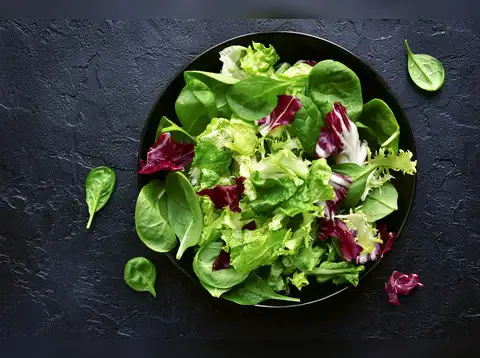
Leafy greens
Dark green leafy vegetables such as spinach, kale, and salad greens are rich in vitamins A, C, E, and K, while broccoli, bok choy, and mustard greens also provide B vitamins. They contain carotenoids, antioxidants that protect cells from oxidative damage and may lower cancer risk. These vegetables are also high in fiber and minerals like iron, magnesium, potassium, and calcium, while being low in carbohydrates, sodium, and cholesterol.
7/7
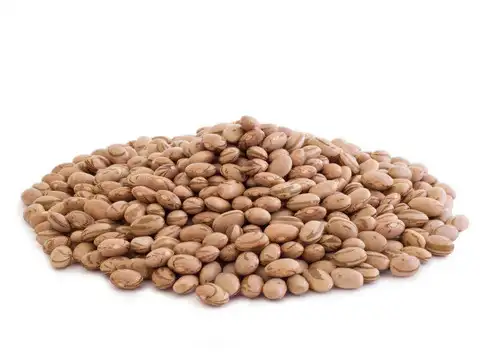
Pinto beans
Pinto beans are rich in antioxidants, including polyphenols and flavonoids, which help protect cells from free radical damage. They are especially high in kaempferol, a flavonoid that may reduce inflammation, inhibit cancer cell growth, and lower stroke risk. Including pinto beans in a balanced diet may support overall health and help reduce the risk of chronic diseases.
(Disclaimer: This story is for educational purposes alone and should not be considered as professional medical advice and does not substitute any medical advice.)
(Disclaimer: This story is for educational purposes alone and should not be considered as professional medical advice and does not substitute any medical advice.)