
7 foods people are eating to boost metabolic resilience
1/5
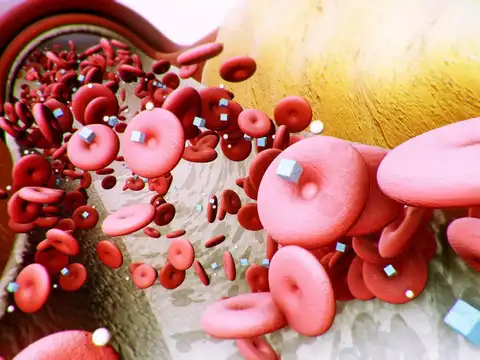
What is metabolic resilience
Metabolic resilience is your body’s ability to handle stress, big meals, late nights and still keep blood sugar, energy and weight stable. The right food can support hormones, gut health and inflammation control so your system bounces back instead of crashing.
2/5
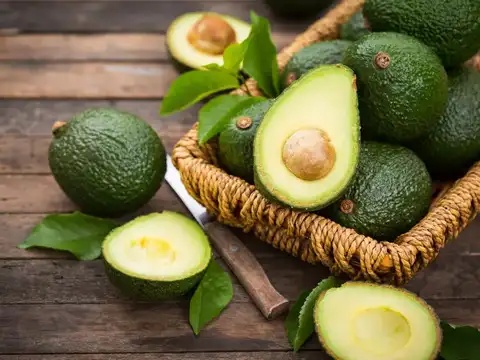
Avocados & Almonds: Healthy Fats That Stabilize Blood Sugar
Avocados are rich in monounsaturated fats and fiber, helping slow glucose absorption and improve insulin sensitivity. Just one avocado delivers about 10g of fiber and supports gut health. Almonds provide magnesium, vitamin E, and plant-based protein, all linked to better metabolic function. Studies show that eating almonds daily can reduce insulin resistance and support lean muscle, making them a go-to snack for GLP-1 users and health-conscious eaters alike.
3/5
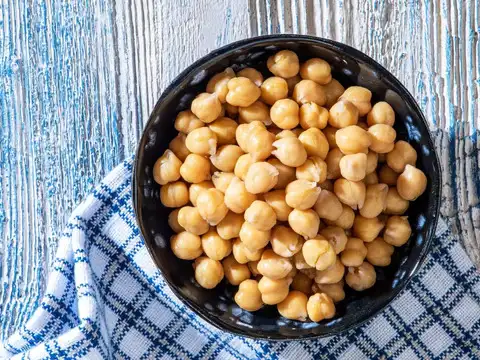
Lentils & Chickpeas: Fiber Powerhouses for Insulin Sensitivity
Lentils and chickpeas are at the heart of the fibermaxxing trend, with up to 15g of fiber per serving. Their high soluble fiber content feeds beneficial gut bacteria and produces short-chain fatty acids that improve insulin response. A study found that eating lentils five times a week for eight weeks reversed insulin resistance. These legumes also offer plant protein and complex carbs, keeping energy steady without spiking blood sugar.
Amazon Top Deals
POWERED BY

Crompton Ozone 75 Litres Desert Air Cooler for home | Large & Easy Clean Ice Chamber | 4-Way Air Deflection | High Density Honeycomb Pads | Everlast Pump | Auto Fill| 3 Year Brand Warranty
₹9,798Buy Now43%
OFF

LG 32 L Convection Microwave Oven (MC3286BRUM, Black, 360° Motorised Rotisserie for Bar-be-queing, 301 Auto Cook Menu, Stainless steel cavity, Indian Cuisine, Tandoor Se, Steam Clean & Diet Fry)
₹19,340Buy Now19%
OFF

4/5
Berries & Citrus Fruits: Antioxidant-Rich Fruits That Fight Inflammation
Berries like blueberries, raspberries, and blackberries are packed with anthocyanins, antioxidants that combat oxidative stress linked to insulin resistance. Eating berries with high-carb meals has been shown to reduce post-meal insulin spikes by up to 26%. Citrus fruits like oranges and grapefruits provide vitamin C and flavonoids that enhance glucose uptake and protect pancreatic beta cells. Their low glycemic index makes them safe for daily consumption.
5/5
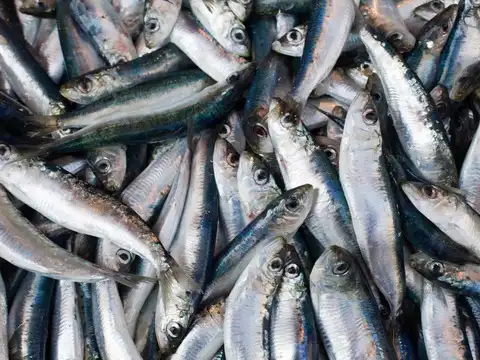
Sardines & Fatty Fish: Omega-3s That Improve Cellular Metabolism
Sardines and fatty fish are rich in omega-3 fatty acids (EPA and DHA), which reduce inflammation and improve cell membrane fluidity for better insulin signaling. Research shows that increasing omega-3 intake boosts insulin sensitivity, especially in overweight individuals. Sardines also offer high-quality protein and vitamin D, all at a low cost and with minimal mercury risk, making them a metabolic superfood.
(Disclaimer: This story is for educational purposes alone and should not be considered as professional medical advice and does not substitute any medical advice.)
(Disclaimer: This story is for educational purposes alone and should not be considered as professional medical advice and does not substitute any medical advice.)
READ MORE:
metabolic resilience foods |best foods for metabolism |Indian diet for stable blood sugar |high fibre Indian foods |fermented foods for gut health |protein rich lentils benefits |nuts and seeds for weight management |green tea for metabolism |anti inflammatory Indian spices |how to improve metabolic health