
7 foods habits that can block protein absorption
1/8
When protein goes to waste
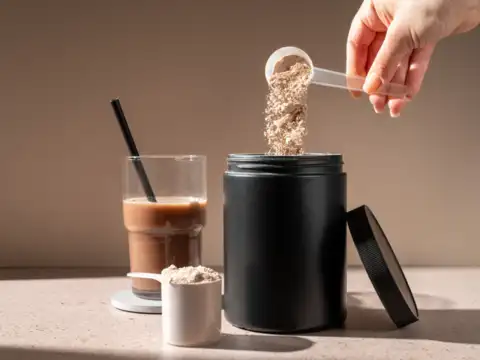
A plate can be high in protein yet feel low on results if timing, cooking, and pairings quietly block digestion, bind amino acids, and blunt enzymes—small fixes restore what the body can use. Some of our everyday food habits quietly block the body’s protein absorption and needs correction.

2/8
Very high‑tannin tea or coffee with protein
Strong tea/coffee right with protein can introduce lots of tannins, plant compounds that bind proteins and digestive enzymes so they work less efficiently. Keep tea or coffee 45–60 minutes away from protein‑heavy meals to minimize interference.
3/8
Raw or undercooked legumes with enzyme inhibitors
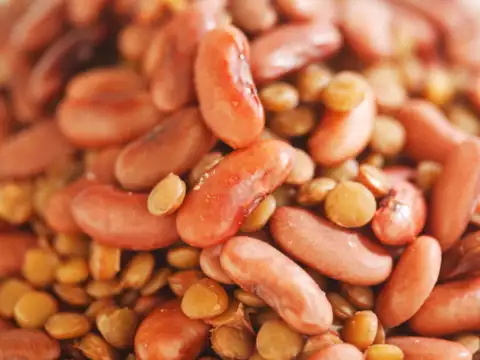
Raw or poorly cooked beans, soy, and some pulses contain trypsin and chymotrypsin inhibitors that blunt the enzymes that break protein into amino acids. Soak thoroughly, boil to tenderness, and pressure‑cook when needed to inactivate these inhibitors and improve digestibility.
Amazon Top Deals
POWERED BY
4/8
High‑phytate grains, nuts, and seeds (when unsoaked)
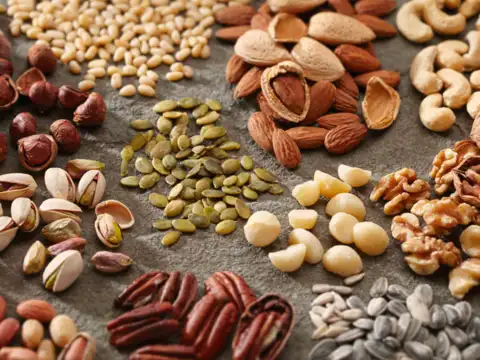
Phytic acid binds minerals like zinc and calcium that enzymes need as helpers, indirectly lowering protein digestion. Use soaking, sprouting, fermenting, or sourdough methods, and pair with vitamin C–rich foods (like lemon or tomatoes) to improve mineral availability.
5/8
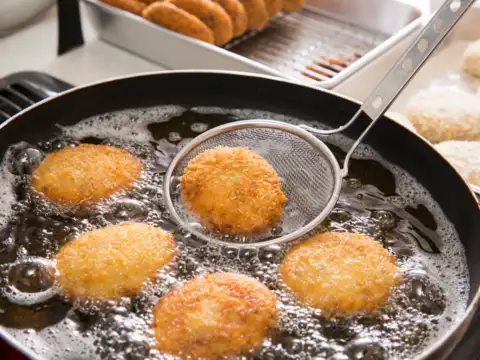
Deep‑fried or heavily overcooked proteins
Very high heat for long periods can create cross‑links and Maillard reaction products that make proteins tougher to break down, reducing bioavailability. Prefer gentler methods—steaming, poaching, baking, light sautéing—and avoid charring or prolonged high‑temperature frying.

6/8
Excess alcohol with meals
Alcohol can irritate the gut lining and lower stomach acid over time, both of which can impair protein breakdown and amino acid uptake. If drinking, keep portions modest and separate from protein‑heavy meals to protect digestion.
7/8
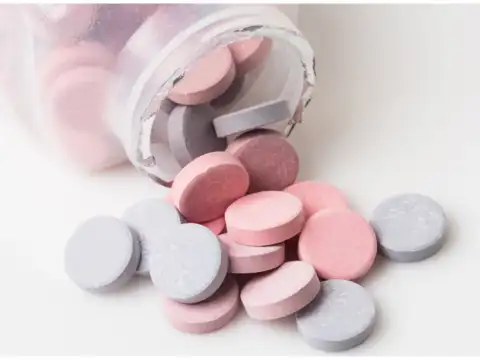
Antacids taken right before protein‑heavy meals
Low stomach acid means pepsin (a protein‑cutting enzyme) doesn’t activate well, so proteins aren’t properly “unzipped.” If antacids are necessary, take them at times your clinician recommends, not immediately before a protein‑focused meal.
8/8
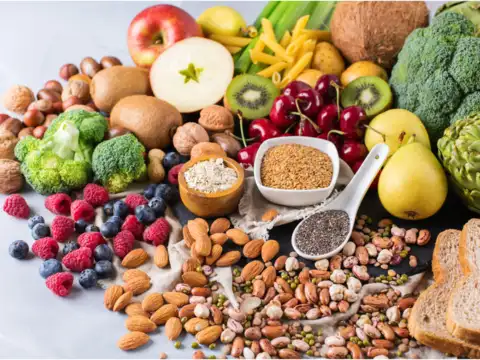
Massive fiber loads at the same sitting
Fiber is essential, but very high fiber and fat in the same meal can slow gastric emptying and dilute enzyme action, making protein feel “heavy.” Distribute fiber across the day and keep protein portions moderate (about a palm‑size) per meal for comfort and consistency.
(Disclaimer: Educational—not medical advice.)
(Disclaimer: Educational—not medical advice.)