
7 everyday mistakes that quietly damage your eyesight

1/7
Too much screen time & ignoring 20-20-20 rule
Spending endless hours on phones, laptops, or TVs forces your eyes to stay focused without rest, causing strain, dryness, and blurred vision. Not following the 20-20-20 rule (looking 20 feet away for 20 seconds every 20 minutes) prevents eye muscles from relaxing, leading to digital eye fatigue and long-term vision issues.

2/7
Rubbing your eyes frequently
Rubbing may feel soothing, but it actually weakens delicate eye tissues, spreads bacteria, and worsens allergies or infections. In the long run, frequent rubbing can damage the cornea, trigger dark circles, and even worsen conditions like keratoconus, which affects corneal shape and vision clarity.
3/7
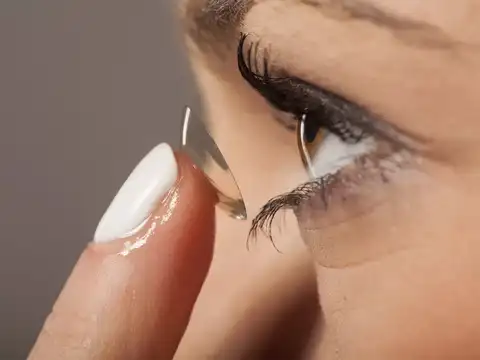
Sleeping with contact lenses
Many people fall asleep with lenses on, but this restricts oxygen flow to the cornea. Over time, it raises the risk of dryness, irritation, and bacterial infections. In severe cases, it can lead to corneal ulcers and permanent vision loss, making it one of the most damaging yet overlooked habits for eye health.
Amazon Top Deals
POWERED BY


4/7
Skipping sunglasses outdoors
Stepping out without UV-protective sunglasses exposes your eyes to harmful rays. Long-term UV damage can trigger cataracts, macular degeneration, and retinal problems. Sunglasses also protect against dust, wind, and pollution, reducing irritation and infections that weaken the eyes over time.
5/7
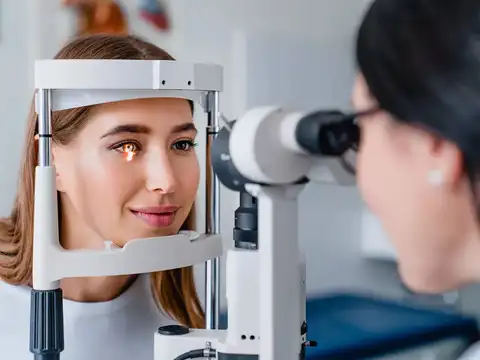
Ignoring regular eye checkups
Skipping annual eye exams may seem harmless, but conditions like glaucoma, high eye pressure, or diabetic retinopathy often develop silently and cause irreversible vision loss. Regular checkups help detect early changes, allowing timely treatment to protect eyesight before permanent damage occurs.
6/7
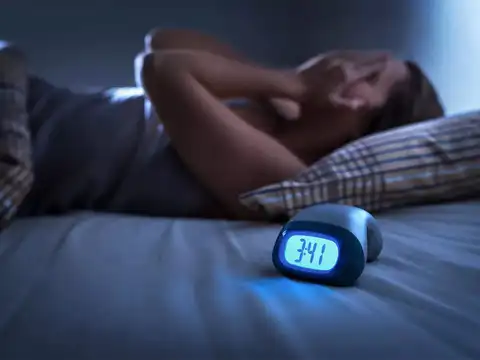
Not sleeping enough
Sleep is when your eyes rest and recover from daily stress. Inadequate sleep makes eyes red, dry, and fatigued, and over time, it increases risks of eye twitching, blurred vision, and even glaucoma. Proper rest also keeps the tear film balanced, ensuring clear and comfortable eyesight.

7/7
Unhealthy diet
A poor diet lacking Vitamin A, C, E, zinc, and Omega-3 fatty acids weakens eye health. Over time, it leads to dryness, poor night vision, faster eye aging, and higher risk of macular degeneration. Eating leafy greens, carrots, nuts, citrus fruits, and fish supports sharp vision and long-term protection.