
7 everyday foods that help detox kidneys and ease the workload
1/7
Food as kidney support
Diet can ease kidney workload by lowering sodium, moderating protein burden, adding antioxidants, and boosting fiber to reduce uremic toxin. These 7 everyday foods can help reduce the workload on your kidneys by providing the support your kidney needs.

2/7
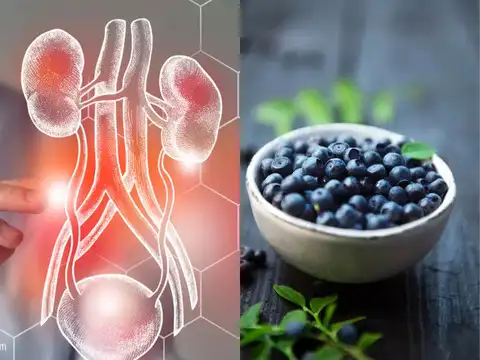
Blueberries (antioxidant support)
Low in potassium and rich in anthocyanins that support heart–kidney health; commonly recommended as a kidney-friendly fruit in clinical guides.How to use: 1 small bowl fresh or frozen as a snack or topping; no added sugar.
3/7
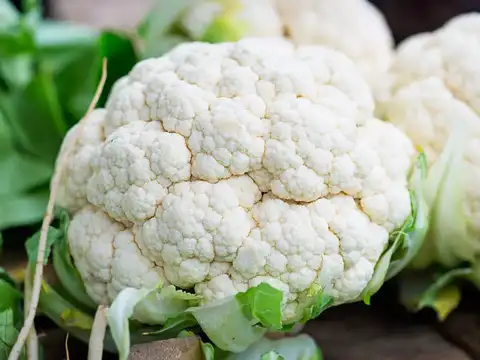
Cauliflower (smart swap for starch)
Low in potassium and phosphorus while providing fiber and anti‑inflammatory compounds; works as a mash in place of potatoes to reduce potassium load.How to use: Steam and mash with garlic/herbs instead of salt.
Amazon Top Deals
POWERED BY

4/7
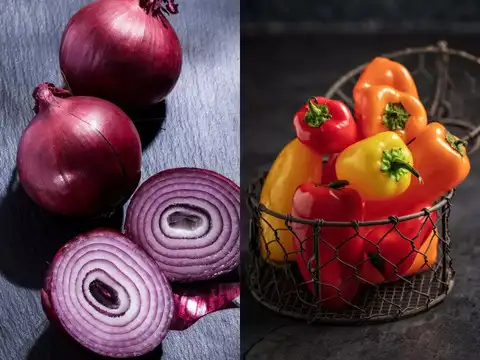
Onions and bell peppers (flavor without sodium)
Add vitamin C, antioxidants, and prebiotic fibers while replacing salty seasonings; both are low‑potassium choices highlighted for renal diets.How to use: Sauté with olive oil and herbs to season dishes salt‑free.

5/7
Tofu and plant proteins (lighter on kidneys)
Plant proteins are linked to kidney protection versus higher animal protein patterns, supporting lower acid load and better overall risk profiles.How to use: Swap in tofu/legume portions while following your protein targets.

6/7
Extra virgin olive oil (heart–kidney bridge)
Supports cardiometabolic health and inflammation control; small clinical work in CKD patients reported improvements in inflammatory markers and atherogenic indices after daily EVOO.How to use: 1–2 teaspoons raw as a dressing; avoid deep frying.
7/7
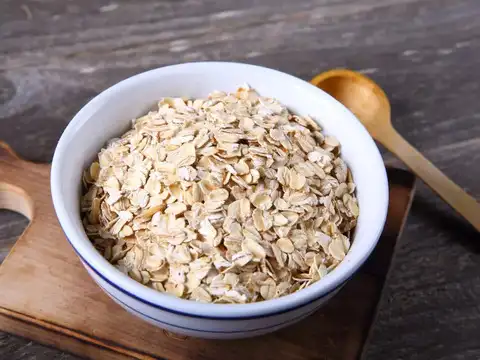
Fiber-rich choices (gut–kidney axis)
Higher dietary fiber links to slower CKD progression and lower complications via microbiome and toxin reductions; observational and interventional evidence supports increasing fiber within potassium limits.How to use: Build plates with low‑potassium veg, berries, oats, and portioned legumes as advised by your dietitian.
(Disclaimer: Not professional medical advice. For general educational purposes only.)
(Disclaimer: Not professional medical advice. For general educational purposes only.)