
7 easy ways to clean kitchen sink without hard scrubbing
1/7
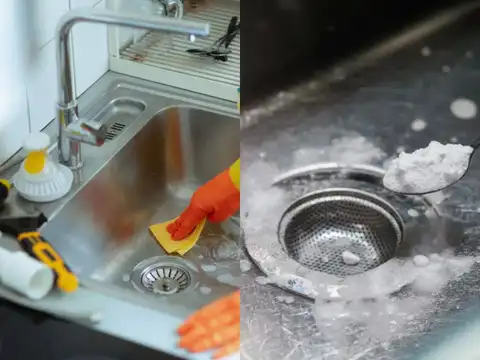
Sprinkle Baking Soda And Pour Vinegar Over It
Sprinkle baking soda all over the sink, then pour white vinegar on top. It fizzes up immediately, and that reaction loosens grease, grime, and odour without any scrubbing. Rinse after five minutes. New Mexico State University confirms baking soda is a natural mineral abrasive that lifts dirt through gentle friction alone.
2/7
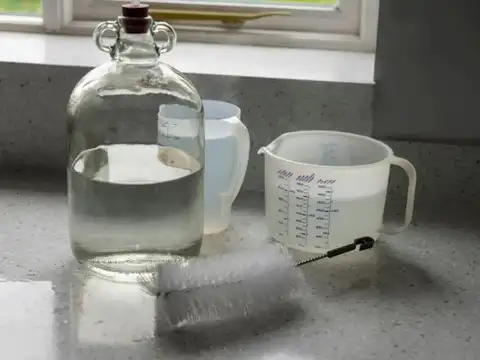
Use Diluted White Vinegar For Hard Water Stains
Hard water stains are very common in Indian homes. Soak a cloth in undiluted white vinegar and lay it over the stained area for 10 to 15 minutes, then wipe away. No scrubbing needed. A study published in Infection Control and Hospital Epidemiology confirmed vinegar's ability to eliminate common bacteria on surfaces.
3/7
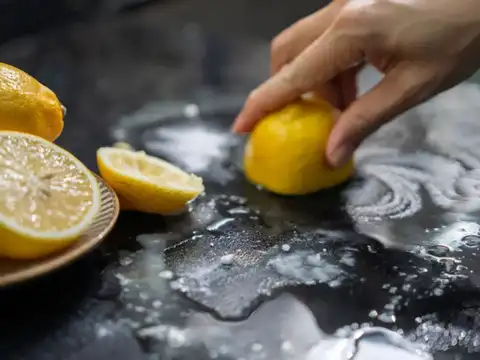
Cut A Lemon And Rub It Along The Sink Surface
Half a lemon rubbed across the sink surface works well on rust marks, soap scum, and light mineral deposits. The citric acid breaks down alkaline stains naturally. A study in PubMed's PMC found that citrus juice effectively eliminated Pseudomonas aeruginosa and MRSA on surfaces during cleaning trials.
Amazon Top Deals
POWERED BY

Crompton Ozone 75 Litres Desert Air Cooler for home | Large & Easy Clean Ice Chamber | 4-Way Air Deflection | High Density Honeycomb Pads | Everlast Pump | Auto Fill| 3 Year Brand Warranty
₹9,798Buy Now43%
OFF

LG 32 L Convection Microwave Oven (MC3286BRUM, Black, 360° Motorised Rotisserie for Bar-be-queing, 301 Auto Cook Menu, Stainless steel cavity, Indian Cuisine, Tandoor Se, Steam Clean & Diet Fry)
₹19,090Buy Now20%
OFF
4/7
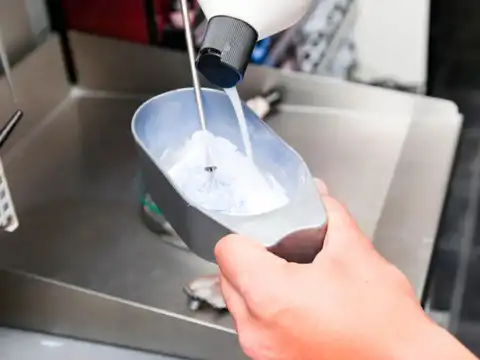
Pour Hydrogen Peroxide Down The Drain
The drain is often the dirtiest part of the sink. Pour a small amount of 3 percent hydrogen peroxide down the drain, leave it for 10 minutes, then rinse with hot water. Research published on PubMed confirmed hydrogen peroxide shows strong bactericidal efficacy against E. coli and Staphylococcus aureus on stainless steel surfaces.
5/7
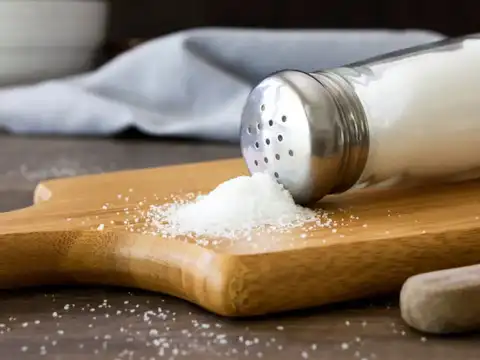
Use Salt As A Gentle Abrasive
Coarse salt rubbed gently over greasy or stained patches works as a natural scrub without scratching the surface. Mix it with a little lemon juice for better results. New Mexico State University's cleaning guide classifies salt as a mineral abrasive that removes stains through friction, making it effective even without harsh chemicals.
6/7
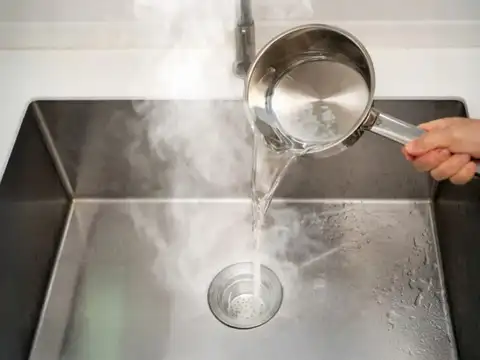
Boiling Water Down The Drain Twice A Week
Pouring boiling water slowly down the drain once or twice a week helps dissolve grease buildup and reduces odour. It is the simplest method there is. Research published in NCCEH's antimicrobial review notes that basic mechanical methods like hot water flushing remain effective at dislodging organic residue without any chemical use.
7/7
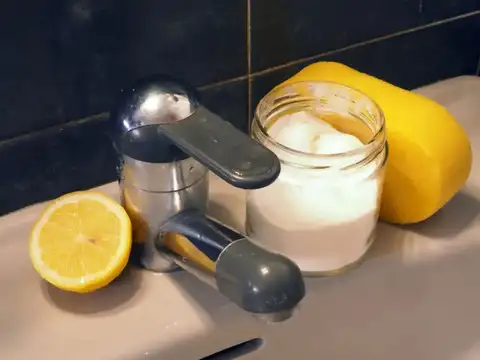
Baking Soda Paste For Faucets And Edges
Mix baking soda with a little water to form a thick paste. Apply it to faucet bases, sink edges, and corners where grime collects. Leave for five minutes, then wipe clean with a damp cloth. No scrubbing at all. A UBC study found baking soda combined with vinegar reduced mould growth comparably to commercial cleaners like Lysol.
(Disclaimer: This story is for educational purposes alone )
(Disclaimer: This story is for educational purposes alone )
READ MORE:
how to clean kitchen sink without scrubbing |kitchen sink cleaning hacks India |natural sink cleaning tips |baking soda vinegar sink cleaning |remove hard water stains sink |easy kitchen cleaning hacks |clean sink without chemicals |lemon for kitchen cleaning |hydrogen peroxide sink cleaning |kitchen hygiene tips India