
7 easy exercises for stronger, more flexible back

1/7
Spinal Health and Vitality
In our increasingly sedentary world, the back often bears the brunt of poor posture and prolonged sitting. A strong and flexible spine is not just about avoiding pain; it is the foundation for all physical movement and long-term mobility. By integrating targeted strength work with intentional stretching, you can decompress your vertebrae and reinforce the "posterior chain" that supports your entire upright posture in 2026.
2/7
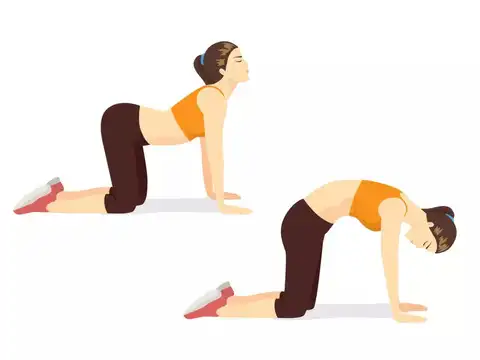
Cat-Cow Stretch for Spinal Mobility
The Cat-Cow is the ultimate warm-up to improve the "segmental mobility" of your spine. Moving between a rounded back and an arched one encourages the flow of synovial fluid, which lubricates your joints. This gentle flow eases tension in the neck and lower back, making it an essential daily ritual for anyone spending long hours at a desk or computer.
3/7
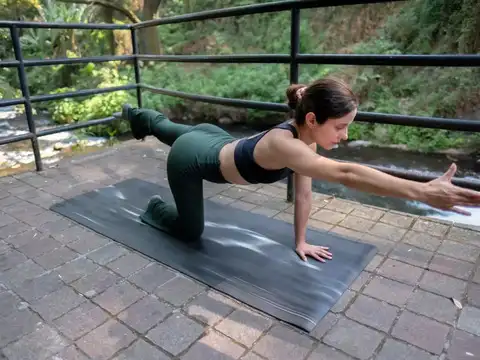
Bird-Dog for Core and Stability
The Bird-Dog exercise is a gold standard for building "anti-rotational" strength. By extending the opposite arm and leg simultaneously while keeping the torso still, you engage the deep stabilizers of the spine. This move teaches your body how to maintain a neutral spine under tension, protecting your lower back from sudden strains and improving overall balance and coordination.
Amazon Top Deals
POWERED BY

4/7
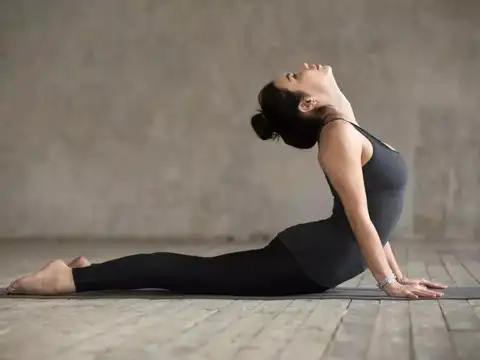
Cobra Pose (Bhujangasana) for Extension
To counter the "hunched" posture caused by modern devices, the Cobra Pose focuses on spinal extension. By gently lifting your chest off the floor using your back muscles, you strengthen the erector spinae and stretch the tight muscles of the chest and abdomen. This opening of the front body reduces pressure on the spinal discs and improves your respiratory capacity.
5/7
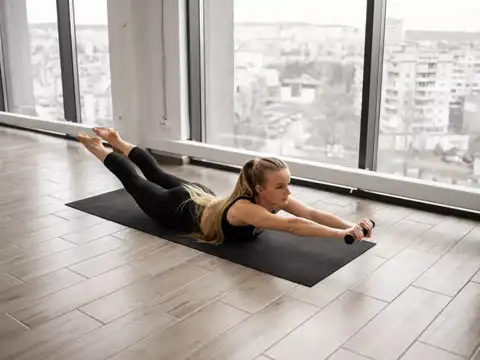
Superman for Lower Back Strength
The Superman exercise targets the entire back of the body, specifically the lower back, glutes, and hamstrings. Lifting your limbs off the ground in a prone position forces the muscles along the spine to work against gravity. This build-up of muscular endurance is vital for maintaining an upright posture throughout the day and prevents the common "slumping" associated with fatigue.
6/7
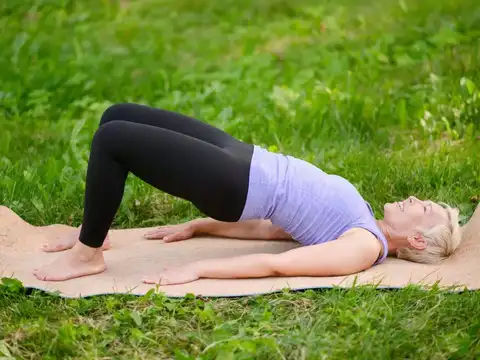
Glute Bridges for Pelvic Support
Often, back pain is caused by weak glutes that force the lower back to overwork. Glute bridges strengthen the large muscles of the buttocks and the hamstrings, providing a stable base for the spine. By driving through your heels to lift your hips, you create a powerful support system that takes the mechanical load off your lumbar vertebrae.
7/7
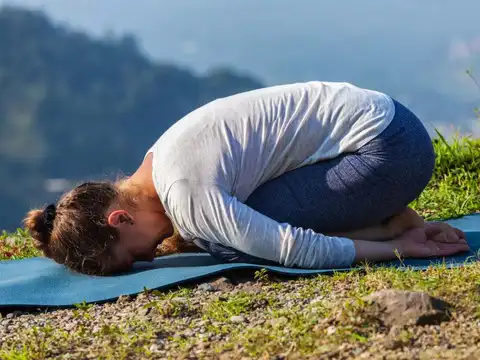
Child’s Pose (Balasana) for Decompression
Flexibility is just as important as strength, and the Child’s Pose is the perfect tool for passive decompression. By folding forward and reaching your arms out, you gently stretch the lower back and lats while allowing the spine to elongate. This resting pose calms the nervous system and creates space between the vertebrae, making it an ideal way to end any movement routine.
(Disclaimer: This story is for educational purposes alone and should not be considered as professional medical advice and does not substitute any medical advice.)
(Disclaimer: This story is for educational purposes alone and should not be considered as professional medical advice and does not substitute any medical advice.)
READ MORE:
Back Strength Exercises 2026 |Improving Spinal Flexibility |Exercises for Lower Back Pain |Bird Dog Exercise Benefits |Cobra Pose for Posture |Glute Bridges for Back Support |Best Back Stretches for Desk Workers |Core and Back Stability Workout |Superman Exercise for Spine |How to Decompress Spine Naturally