
7 early signs of multiple sclerosis that often appear between 20 and 40
1/7
MS Can Begin in Your Prime
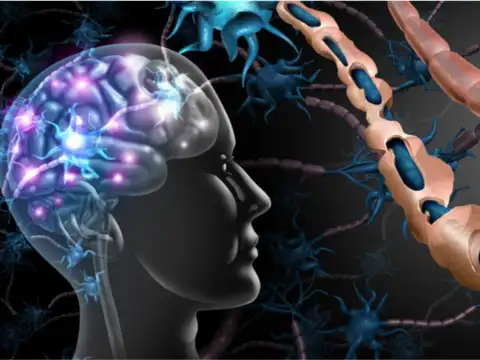
Multiple sclerosis (MS) is a chronic autoimmune condition where the immune system attacks the protective covering of nerves, disrupting brain–body communication. It often begins between ages 20–40, with subtle early symptoms like blurred vision, tingling, or fatigue that can be mistaken for stress.

2/7
Vision Problems That Won’t Fade
Blurred or double vision is one of the most common early signs of MS. According to the Cleveland Clinic, this often stems from inflammation of the optic nerve, called optic neuritis.

3/7
Tingling or Numbness in Limbs
Many people first notice MS through odd body sensations. The National Institutes of Health reports that “pins and needles” or numbness in the arms, legs, or face can signal nerve disruption.
Amazon Top Deals
POWERED BY


4/7
Fatigue That Feels Different
Chronic fatigue is another hallmark. Unlike ordinary tiredness, this exhaustion lingers and interferes with daily life. Health.com points out that fatigue affects up to 80% of people with MS early in the disease.

5/7
Weakness, Balance, or Coordination Issues
If you find yourself stumbling, feeling clumsy, or noticing muscle weakness, it may not just be lack of sleep. Cleveland Clinic neurologists explain these symptoms reflect disrupted communication between the brain and body.

6/7
Dizziness, Spasms, or Stiffness
Sudden dizziness or vertigo, along with muscle spasms, can be overlooked but may indicate early MS. Mass General Brigham specialists highlight these as neurological red flags that deserve attention if persistent.

7/7
Subtle Cognitive or Bladder Changes
Some of the earliest MS signs can be hidden. WebMD notes that difficulty concentrating, forgetfulness, or new bladder control problems may appear in young adults before more obvious neurological issues.(Disclaimer: This information is for educational purposes only and is not a substitute for professional medical advice. Please consult a qualified healthcare provider if you notice these symptoms.)